

Power Up Pacific: The Philippines’ Bold Nuclear Ambition and the Economic Ripple Effect
Energy security is the bedrock of a thriving modern economy. In a significant development for Southeast Asia, the Philippines is taking decisive steps toward integrating nuclear power into its energy mix, receiving strong backing from the global nuclear watchdog.
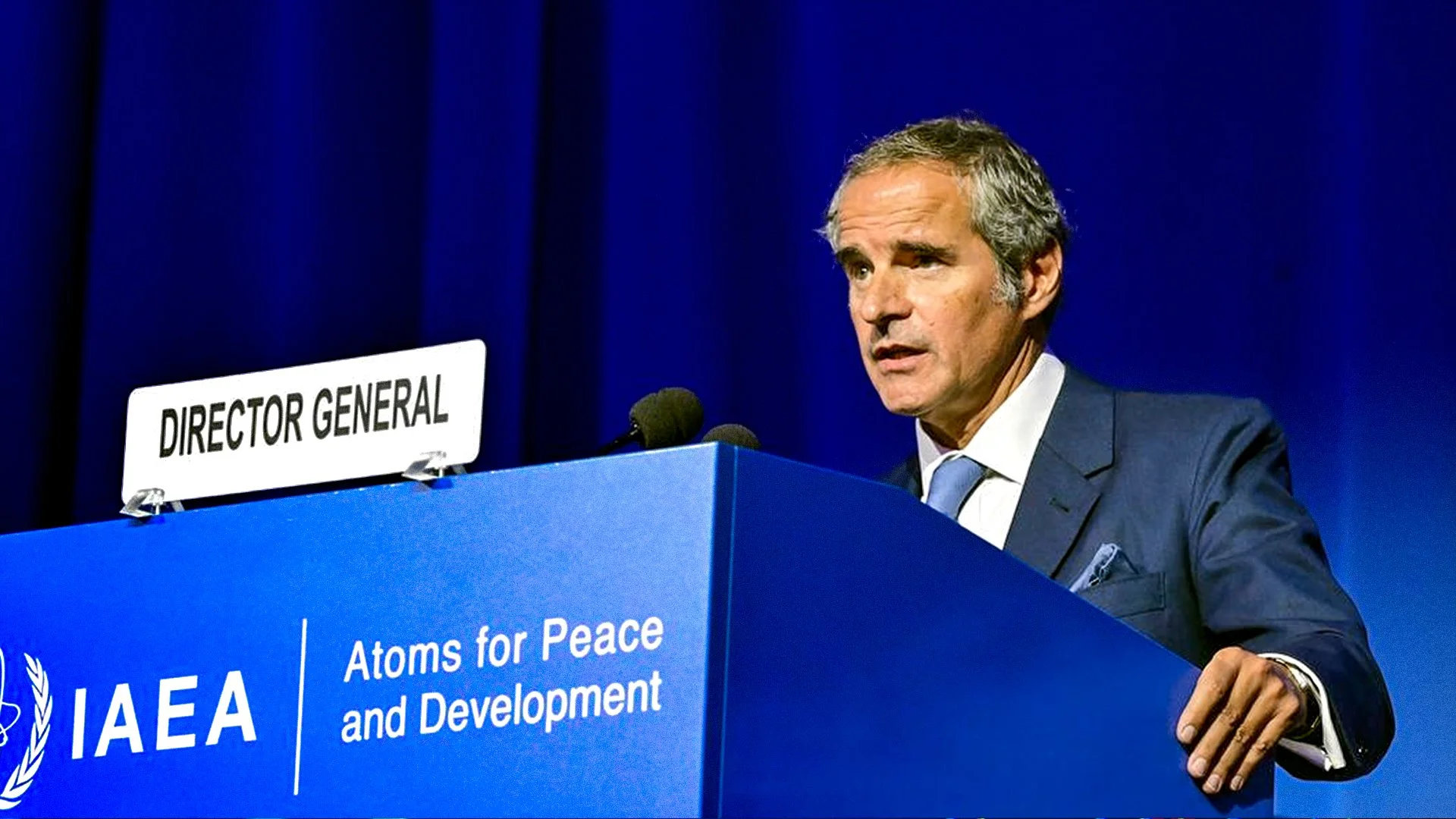
During a recent high-level visit, International Atomic Energy Agency (IAEA) Director General Rafael Mariano Grossi expressed eager support for the Philippines' nuclear ambitions. Speaking on the sidelines of the International High-Level Forum on Nuclear Technology (NUTEC) Plastics in Pasay City, Grossi emphasized the IAEA’s commitment to helping the archipelago nation identify the "right systems and technologies."
This move isn't just about keeping the lights on; it’s a strategic economic pivot that could redefine the country's industrial trajectory over the next decade.
Tailoring Technology to Local Needs
A key takeaway from Grossi’s visit is the IAEA's nuanced approach. Rather than a one-size-fits-all solution, the focus is on adaptability. Grossi highlighted alternatives beyond traditional, massive power plants, specifically mentioning Small Modular Reactors (SMRs). These newer technologies are often viewed as safer, more flexible, and potentially better suited for archipelago geography like that of the Philippines.
Grossi noted that the IAEA intends to establish mechanisms for deeper technical cooperation with Philippine experts to determine which reactor types are most adaptable to the local context.
Crucial to this initiative is the political will at the top. Following a courtesy call with President Ferdinand R. Marcos Jr., Grossi described the Chief Executive as “very enthusiastic” and knowledgeable about nuclear energy developments. This alignment between technical reality and political will is often a critical indicator for long-term infrastructure project success.
The 2032 Roadmap: Targets and Innovation
The Philippines has set a clear roadmap. The goal is to have commercially operational nuclear power plants by 2032, initially introducing at least 1,200 megawatts (MW) into the national power mix. The long-term target is to increase this capacity to 4,800 MW by 2050. Achieving these targets would provide the stable baseload power necessary to support heavy industry and attract foreign direct investment.
However, the collaboration extends beyond just electricity generation. The IAEA is also supporting Manila in exploring "wider peaceful applications" of nuclear science.
A prime example displayed during the forum was the use of nuclear technology to combat plastic pollution. The Philippines is a pilot country for radiation-enabled plastics upcycling. The Department of Science and Technology–Philippine Nuclear Research Institute (DOST-PNRI) is spearheading the Post-Radiation Reactive Extrusion (PREx) project. This innovation uses electron beam irradiation to modify low-value plastic waste, turning it into construction materials like bricks and structural panels—a move that marries environmental sustainability with economic utility.
Financing the Future
Infrastructure dreams require substantial capital. In a move that bridges technology with finance, Grossi signed a new agreement with the Asian Development Bank (ADB) during the conference. This deal is designed to strengthen the ADB's technical understanding of nuclear power, ultimately helping countries in the region access the necessary financing and expertise to meet energy demands through nuclear options.


The Macroeconomic View for Aspiring Traders
For those interested in financial markets, these developments are far more than just local news headlines. Major infrastructure shifts impact national economies, which in turn influence currency valuation against major counterparts like the US Dollar (USD).
When a developing nation secures a reliable, long-term energy source, it stabilizes its industrial base and improves its economic outlook. Grasping the relationship between national energy policy and long-term economic health is a fundamental skill in Forex trading for beginners. Recognizing these macroeconomic drivers—from technological adoption to international financing agreements—is exactly the type of fundamental analysis emphasized at GME Academy (Global Markets Eruditio). We help students look beyond the daily charts to understand the structural "why" behind market movements.
While the Philippine Peso isn't a majorly traded currency pair, understanding how emerging economies utilize energy to stabilize growth against the backdrop of a strong USD is vital context for any global investor.
Ready to translate global news into market knowledge?
Don't just read about economic shifts; learn how to anticipate them. Join Global Markets Eruditio today and sign up for our FREE Forex Workshop. Learn the foundational skills needed to navigate the world of currency trading with confidence.
