

Philippine Agri Smuggling: A Trillion-Peso Threat to Food Security and the Peso
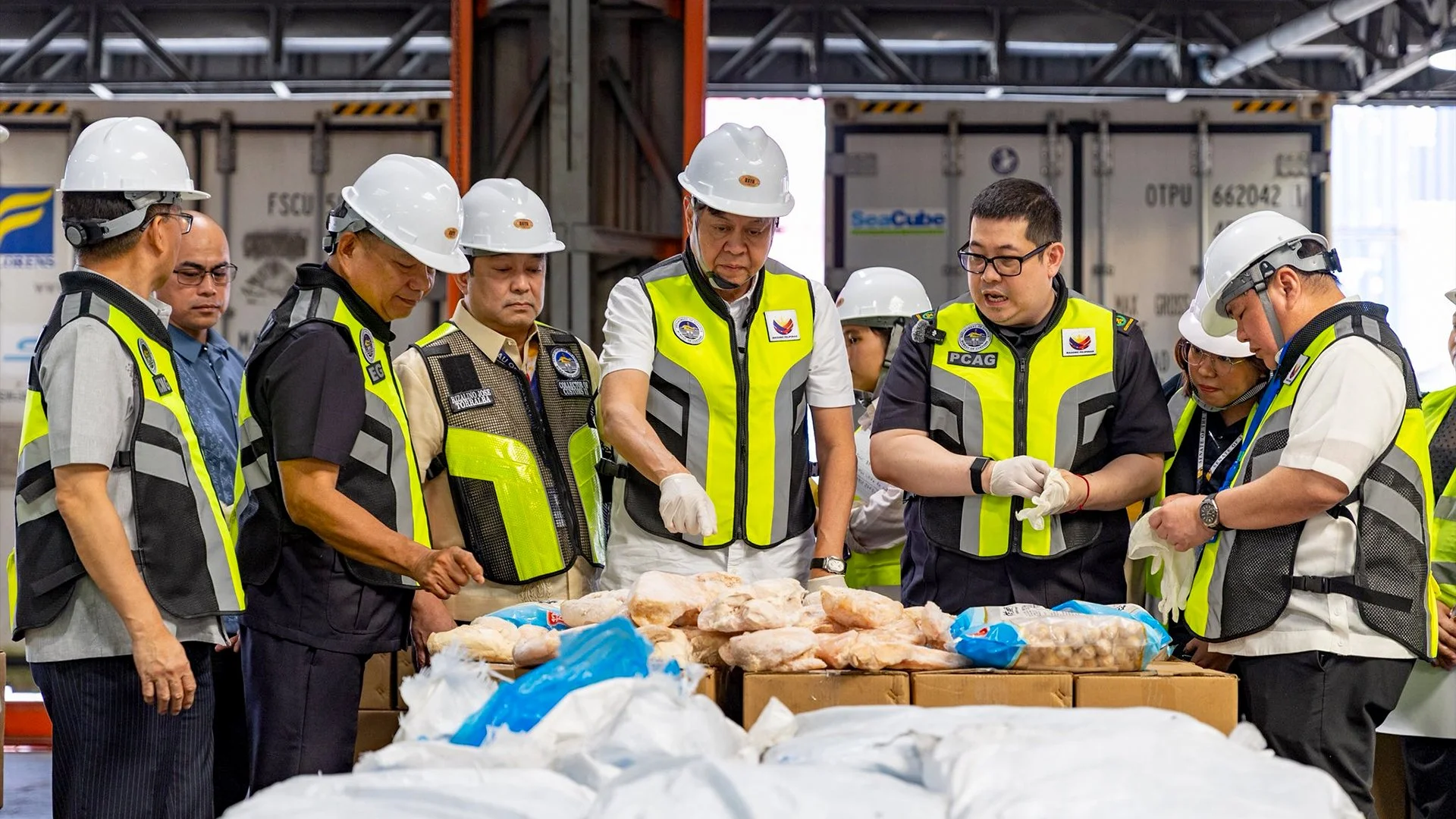
Philippine lawmakers are sounding a grave alarm over the pervasive and increasingly sophisticated nature of agricultural smuggling, labeling it a clear national security threat. During the fifth Senate hearing on the issue, Senator Francis Pangilinan, Chairman of the Senate Committee on Agriculture, revealed that highly organized, "syndicate-style" operations are flourishing, with foreign groups (particularly Chinese nationals and exporters) colluding with corrupt Filipino partners to dominate illicit food shipments.
This isn't merely a border control issue; it's a systemic economic assault that undermines the very foundations of the Philippines' food security, harms millions of local producers, and highlights severe enforcement and accountability failures within government agencies. For participants in Global Markets Eruditio, such deep-seated corruption and economic instability are critical factors in assessing a nation's investment risk and currency stability.
The Mechanics of Market Manipulation and Corruption
The senators' findings exposed a multi-layered criminal enterprise designed to maximize profits by exploiting vulnerabilities in customs and regulatory oversight.
The Illicit Supply Chain:
Dummy Firms and Misdeclaration: Syndicates reportedly utilize dummy corporations to facilitate the entry of misdeclared shipments into ports. This involves deliberately mislabeling high-value agricultural products as lower-taxed goods, or declaring smaller quantities, to evade substantial import duties and bypass strict quotas. This practice results in hundreds of millions of pesos in lost government revenue.
Exploiting Cold Storage: The use of cold storage facilities to hide massive quantities of spoiled or uninspected meat worth hundreds of millions of pesos points to an extensive logistical network, posing severe public health and biosecurity risks to the nation's food supply and livestock.
Bypassing Controls: Circumstantial evidence suggests systemic corruption within government agencies. Syndicates appear to have partners who enable them to bypass critical x-ray screening, divert unescorted trucks, and ignore alerts from the Department of Agriculture, ensuring their illicit cargo reaches the market unimpeded.
Artificial Scarcity and Price Manipulation:
Perhaps most insidious is the alleged manipulation of staple commodities, particularly rice. Senators noted a pattern where corporations with interlocking directors apply for hundreds of import permits but only utilize a fraction of them. This behavior raises serious questions about hoarding and the deliberate creation of artificial scarcity in the market, which directly contributes to driving up prices for ordinary Filipino consumers. This directly impacts the purchasing power of the Philippine Peso (PHP).
A National Security and Economic Crisis
Senator Pangilinan's stark declaration – "Food security is a national security concern and therefore agri-smuggling is a threat to our national security" – encapsulates the gravity of the situation. The ramifications extend across the entire economy:
Devastation of Local Agriculture: The influx of cheap, illegally imported goods, often untaxed and unregulated, floods the market, undercutting local farmers and driving down farmgate prices. This leaves Philippine producers unable to compete, threatening the livelihoods of millions and the viability of the entire agricultural sector, a critical component of the national economy.
Economic Sabotage: The combined impact of lost government revenue and the crippling of domestic industries amounts to billions of pesos in damages annually. This clearly falls under the definition of economic sabotage (Republic Act No. 10845), a non-bailable offense that carries severe penalties.
Contraband and Biosecurity: Senator Erwin Tulfo highlighted concerns that these unchecked shipments could also be used to conceal drugs or other contraband, further compounding the national security threat. The lack of proper inspection also creates immense biosecurity risks for Philippine crops and livestock from diseases.
The Accountability Chasm
Despite the severity of the problem, accountability remains shockingly low. Out of 132 smuggling cases filed between 2021 and 2025, only four reached the Department of Justice. The vast majority were dismissed because the Bureau of Customs (BOC) failed to provide original documents—a clear indicator of systemic issues beyond mere operational oversight.

Urgent Reforms for the Philippine Peso (PHP) and Stability
To combat this entrenched threat, senators are advocating for immediate and comprehensive reforms:
E-Tracking System: Implementing electronic tracking for agricultural shipments to ensure transparency and prevent diversion.
Enhanced Inter-Agency Coordination: Strengthening collaboration between the Bureau of Customs, Department of Agriculture, and law enforcement.
Higher Accountability Standards: Imposing stricter accountability on government personnel and ensuring the timely submission of complete documentation for legal prosecution.
Warehouse Audits: Conducting surprise audits of warehouses and cold storage facilities to disrupt hoarding and illegal storage.
The ability of the Philippine government to effectively tackle this "syndicate-style" smuggling is not just an internal governance issue; it’s a critical factor for the stability and long-term attractiveness of the Philippine economy and the PHP in the eyes of international investors and Forex Traders. Unchecked corruption and instability in food supply create fundamental weaknesses that can deter foreign direct investment and pressure the PHP/USDcurrency pair
Are You Equipped to Analyze the "Hidden" Risks to Emerging Market Currencies?
Agricultural smuggling isn't just a local news story; it's a fundamental risk factor that can undermine a nation's economic stability and currency value. Understanding how corruption and food insecurity impact the Philippine Peso is crucial for informed Forex Trading.
Don't overlook the critical links between governance and currency performance.
Join the GME Academy community today and sign up for our FREE Forex Workshop to master the comprehensive macroeconomic and political analysis that drives success in Forex Trading.
