

From Farm to Forex: How PH-Canada Agri Collab Brews Mutually Beneficial Growth
The Philippines' Department of Agriculture (DA) recently emphasized the fortified partnership with Canada following a pivotal development meeting between DA Secretary Francisco Tiu Laurel Jr. and Canada’s Secretary of State for International Development, Randeep Sarai, in early November 2025. DA Secretary Tiu Laurel articulated the significance of this alliance, stating that Canada remains a "vital partner" in strengthening the agricultural sector.
The shared commitment to core principles like food security, value-adding, and technical cooperation is seen as the foundation for "long-term, mutually beneficial growth" for both nations. This type of bilateral cooperation is increasingly important for managing supply chain resilience, a key factor monitored by those engaged in Global Markets Eruditio.
Investment and Insight: Canada's Pledge
Canada’s commitment was demonstrated through concrete pledges, emphasizing both financial support and technical expertise that align with the Philippines' most pressing agricultural needs.
Financial and Sectoral Support
Secretary of State Sarai reaffirmed Canada’s commitment by citing a CAD26 million investment package earmarked for global agricultural initiatives. Beyond the financial commitment, the focus areas are highly strategic for the Philippine economy:
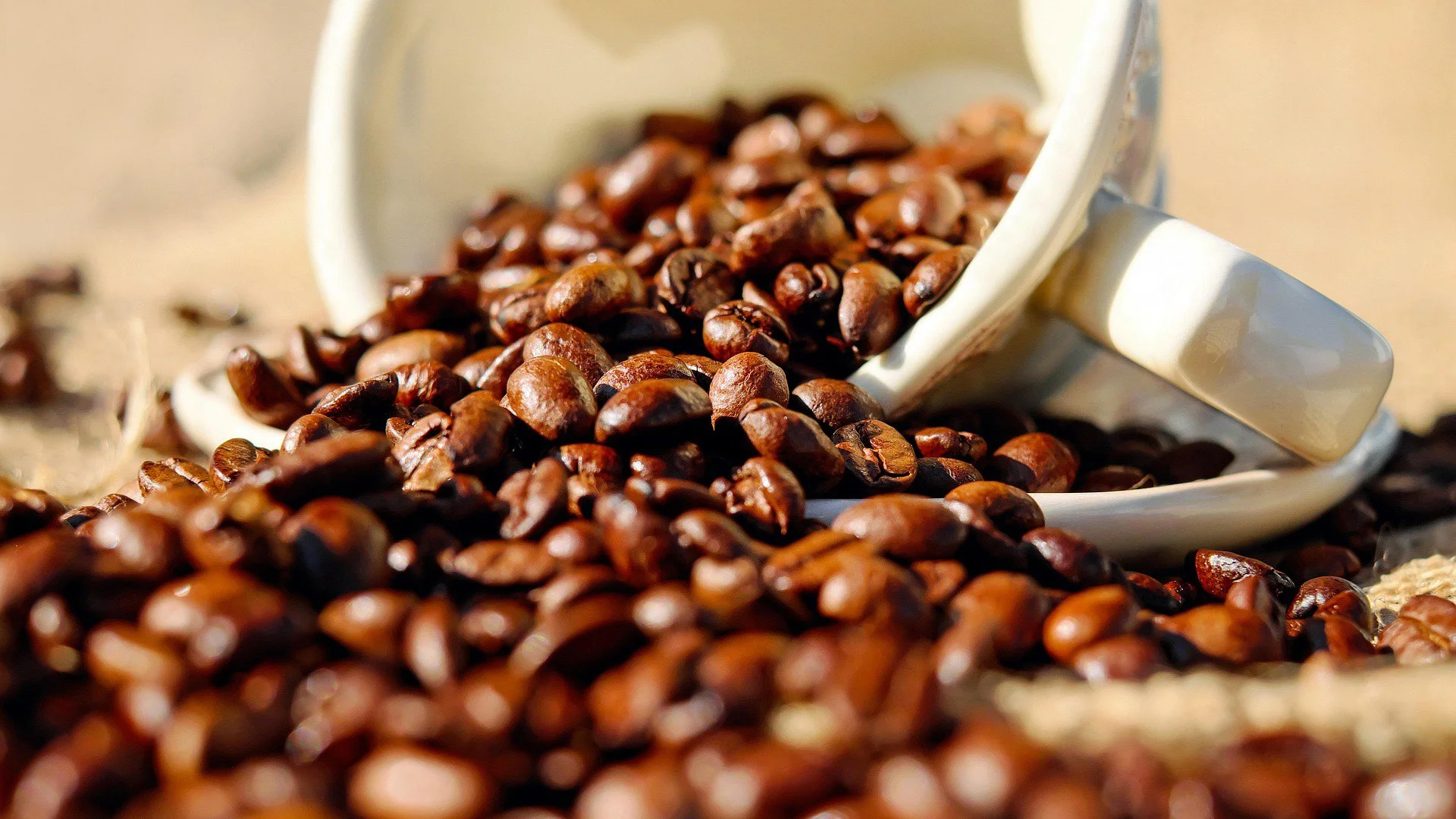
High-Value Crops: Canada expressed strong support for the development of the cacao and coffee industries in the Philippines. These are high-demand export crops that can significantly boost rural incomes and the country's trade balance.
Climate Resilience: Canada will assist in advancing climate resilience in agriculture, a critical need given the Philippines' vulnerability to extreme weather events.
Regulatory Capacity: Support was pledged for strengthening regulatory capacity building and surveillance to combat Illegal, Unreported, and Unregulated (IUU) fishing, which is vital for securing maritime resources and the livelihoods of local fisherfolk.
Addressing the Philippine Bottlenecks
DA Secretary Tiu Laurel was candid about the internal improvements required to maximize this partnership. He specifically underscored the Philippines' need to dramatically upgrade agricultural logistics, cold-chain systems, and value-adding processes for high-value crops. These systemic weaknesses are often the biggest barrier to realizing the full economic potential of the agricultural sector.


Dairy Dreams and Fortification Guidance
The cooperation extended into specific, high-impact technical areas, showcasing a targeted effort to improve Philippine production capacity:
Dairy Genetics: The Philippines expressed a strong interest in acquiring Canadian dairy genetics, including semen and live animals. This interest is paired with a request for information exchange on optimal farm conditions and cow comfort, aiming to significantly upgrade the local dairy stock and boost domestic milk production. Currently, the Philippines is heavily reliant on dairy imports.
Food Fortification: The DA is constructing a new rice fortification plant and is seeking Canada's guidance on expanding fortification to other agricultural products. Fortification, the process of adding micronutrients like vitamins and minerals to food, is a critical public health strategy to combat malnutrition and enhance food security on a national level.
The Forex Perspective: A Long-Term Fundamental Boost
While agricultural cooperation is not a daily catalyst for volatility, it forms a crucial long-term fundamental support for both the Canadian Dollar (CAD) and the Philippine Peso (PHP), which is valuable for Forex Trading for Beginners.
PHP Stability: Successful implementation of these initiatives—especially the improvement of high-value exports like coffee and cacao—will contribute positively to the Philippines' trade balance. Over time, increased export earnings provide a steady supply of US Dollars (USD) and other foreign currencies, which helps to stabilize and strengthen the Peso against the USD in the PHP/USD currency pair.
CAD Investment Flow: Canada's investment and technical assistance reflect its strategic focus on the Indo-Pacific region, opening channels for Canadian companies to invest in Filipino agriculture. This outward flow of CAD (for investment) and subsequent bilateral trade growth solidifies the economic relationship, reducing risk for traders monitoring the CAD and its cross-pairs like EUR/CAD.
Reduced Vulnerability: Climate-resilience support and the drive for greater self-sufficiency in products like dairy and fortified rice reduce the Philippines' dependency on imports and external market shocks. This contributes to better macroeconomic stability, making the PHP a less volatile and fundamentally stronger currency for long-term investors.
This partnership is a prime example of how development cooperation can translate into tangible economic benefits that support national stability and bolster confidence in the local currency.
Are You Connecting Global Cooperation to Currency Strength?
The strategic agricultural alliance between the Philippines and Canada demonstrates how long-term investments in sectors like food security directly underpin national economic stability, a vital factor for Forex Trading.
Don't miss the deeper connections between policy and price action.
Join the GME Academy community today and sign up for our FREE Forex Workshop to learn how to integrate these fundamental macroeconomic developments into your trading analysis.
