

ARTA-Ombudsman Alliance: Can Accountability Finally End the Cycle of Red Tape and Corruption?
A Stronger Front Against Corruption: ARTA and Ombudsman Join Forces
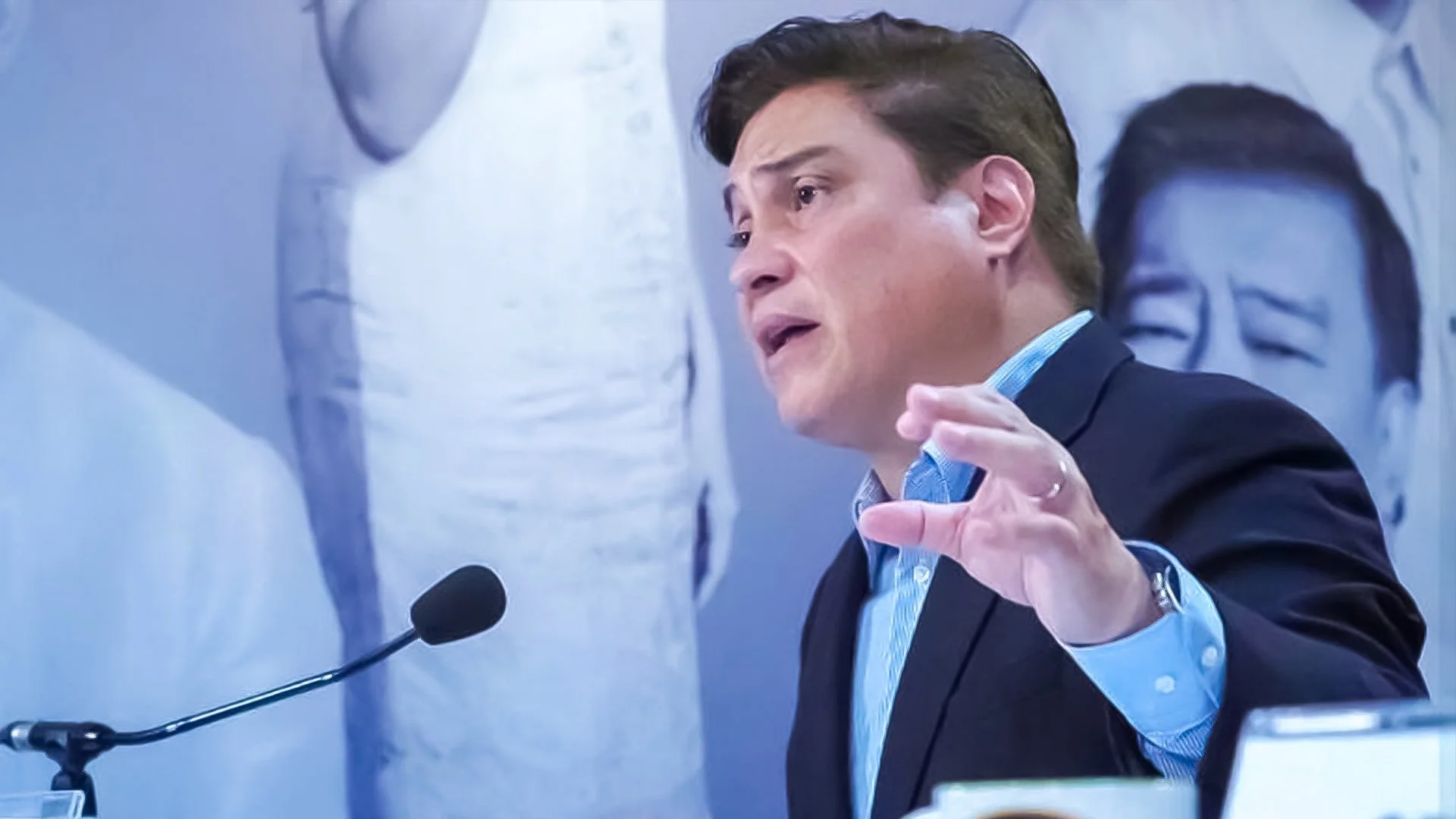
In a decisive move against bureaucratic inefficiency and graft, the Anti-Red Tape Authority (ARTA) and the Office of the Ombudsman have signed a new memorandum of agreement (MOA) — a partnership hailed by Senate Majority Leader Juan Miguel Zubiri as a “powerful deterrent” against corruption and a leap forward for the Ease of Doing Business (EODB) law.
Zubiri, author and sponsor of Republic Act 11032, said this alliance will fast-track cases against government officials who continue to burden the public with red tape and bribery schemes.
“This partnership between ARTA and the Ombudsman will finally speed up the disposal of cases against government actors who violate the Ease of Doing Business Act,” Zubiri declared, emphasizing that accountability is the missing piece in enforcing good governance.
Faster Justice Through Integrated Investigations
For the first time, ARTA’s investigation findings will be directly integrated into the Ombudsman’s case pipeline. Instead of starting new probes from scratch, the Ombudsman can now act immediately on verified cases filed by ARTA, ensuring that offenders are held accountable in real time.
“As long as no one is jailed for violating the EODB Act, red tape and corruption in government will persist,” Zubiri warned.
This streamlined process removes redundant layers of bureaucracy within anti-corruption systems themselves — a fitting irony finally being addressed. It sends a message that no official is untouchable, and that government service delays now come with consequences.
The Real Battle: From Bureaucracy to Integrity
For decades, the Philippines has struggled with entrenched red tape — a breeding ground for inefficiency, extortion, and public frustration. Citizens and businesses alike have suffered from slow permits, hidden fees, and opaque processes that sap productivity and trust.
By linking ARTA’s investigative powers with the Ombudsman’s prosecutorial reach, the partnership creates a one-two punch against corruption: investigate, prosecute, and convict.
“This will speed up the resolution of cases and finally jail those who must be held accountable,” Zubiri stressed, highlighting how fear of consequence is the strongest motivator for reform.
This initiative could mark the turning point in government culture — from complacency to compliance, from opacity to transparency.

Economic Impact: When Clean Governance Builds Confidence
Beyond its political and moral significance, this collaboration holds real economic value.
Transparent and efficient government processes directly affect foreign investor sentiment, ease of doing business rankings, and ultimately, the Philippine Peso’s stability.
When red tape is reduced, business transactions accelerate, investment inflows rise, and currency confidence strengthens.
But the reverse is also true: every unresolved corruption case breeds uncertainty, undermining not just governance but market credibility.
In a globalized economy, transparency is a currency, and the Philippines’ economic reputation depends on how firmly it enforces accountability.
Forex Perspective: Governance as a Market Signal
For Forex traders, this development adds a layer of policy confidence to the country’s macroeconomic narrative.
A government visibly cracking down on inefficiency can bolster investor sentiment, potentially supporting the PHP.
Conversely, if the initiative is poorly implemented or politicized, it could backfire, reinforcing concerns about systemic instability.
Efficient governance, paired with consistent economic policy, is a positive signal for foreign capital flows and currency resilience.
The ARTA-Ombudsman alliance is not just an anti-corruption story — it’s a market signal of reform credibility.
The Takeaway: From Promises to Proof
The signing of this MOA is a milestone in Philippine governance, but its success depends on execution and consistency.
Policies and partnerships mean little without results — without convictions, without deterrence, and without visible change in public service delivery.
As Zubiri noted, “Hangga’t walang nakukulong, tuloy ang korapsyon.”
The real reform will be measured not in speeches, but in the number of corrupt officials finally held accountable.
It’s time for governance to serve the people — not the powerful.
Learn How Governance Shapes Forex and Economic Confidence
At Global Markets Eruditio (GME Academy), we teach traders and professionals to analyze how governance, policy reform, and transparency influence market behavior.
Learn how anti-corruption reforms, public trust, and business regulations can impact the Philippine Peso (PHP) and shape forex trading opportunities in emerging markets.
Join our FREE Forex Workshop today — and discover how political integrity and market psychology move currencies in the real world.
