

DA Pushes for Higher Rice Tariffs: Can Flexible Policy Finally Tame Soaring Prices?
Balancing Tariffs and Truth: The DA’s New Approach to Rice Pricing
The Department of Agriculture (DA) is moving to raise tariffs on imported rice, a move aimed at stabilizing domestic prices while protecting Filipino farmers from collapsing farmgate rates.
DA Secretary Francisco Tiu Laurel Jr. announced that the agency will recommend a new tariff rate between 20% and 25%, following the Economic Development Council’s approval of a flexible tariff scheme ranging from 15% to 35%.
“If we will not impose 15 percent, then maybe 20 or 25 percent,” Tiu Laurel said, underscoring the department’s intent to strike a balance between affordability for consumers and profitability for farmers.
A DA working group is set to finalize the recommendation by December 15, with implementation targeted by January 1.
Flexible Tariffs: Shield or Symptom?
Under this flexible tariff system, the rate will rise when world rice prices drop and fall when global prices surge, preventing extreme price swings for both consumers and producers.
“If the world price of palay is too low, the tariff should be 35%. But if it rises to USD720 per ton, it should be lowered to 15%,” Laurel explained.
The move aims to protect local farmers from cheap imports while keeping retail prices stable for the public. Yet critics warn that the real problem lies deeper—in import dependency, supply inefficiencies, and lack of accountability within the agriculture supply chain.
Rice, the Filipino staple, remains a political and economic flashpoint, and any policy shift carries implications not just for consumers but for national stability.
The Price Reality: Consumers Still Paying the Price
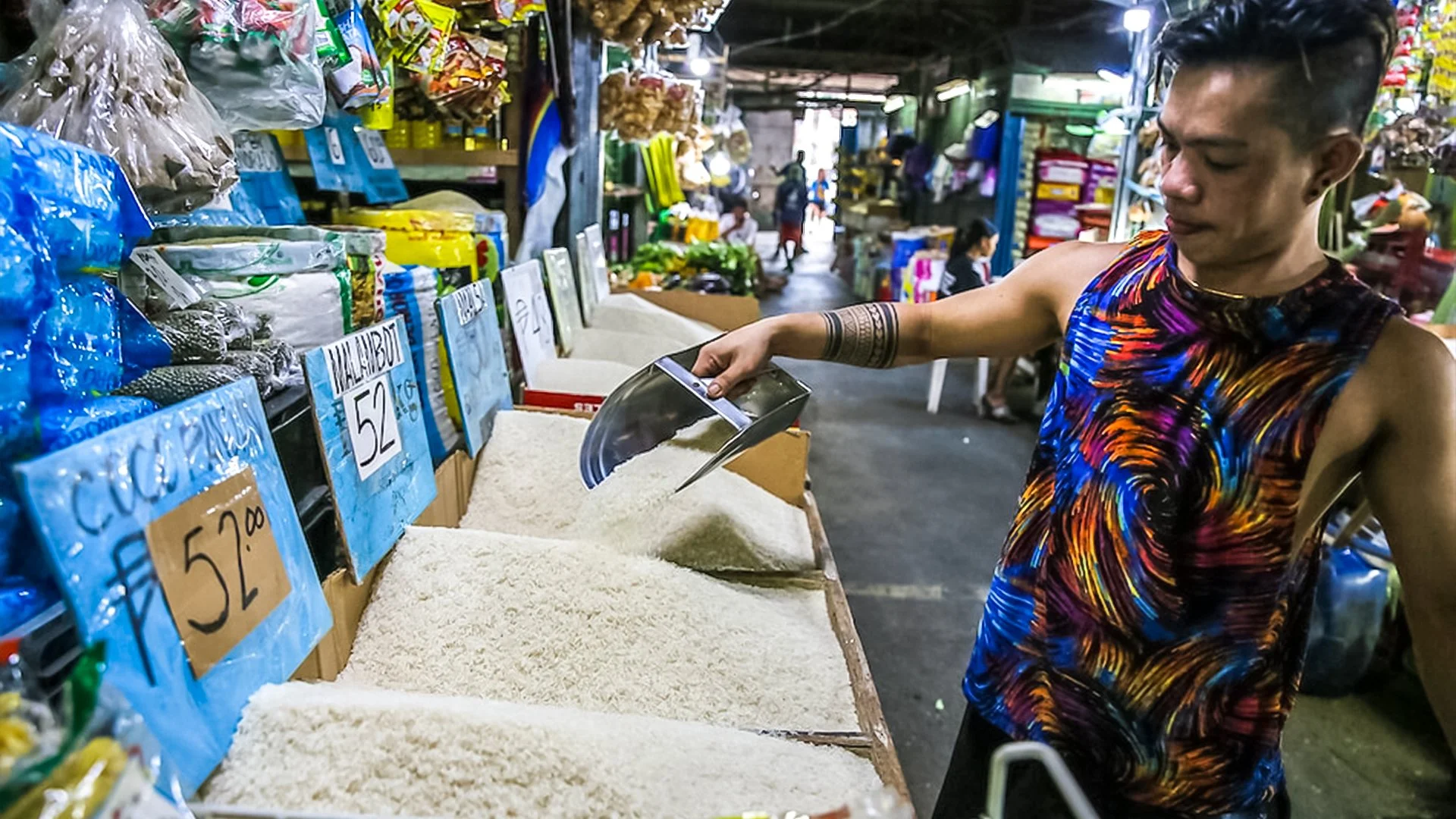
According to DA-Bantay Presyo, the average retail price of imported premium rice in Metro Manila currently stands at ₱50 per kilo, ranging from ₱43 to ₱55.
Well-milled rice averages ₱40, while regular-milled varieties hover near ₱38 per kilo.
Local rice prices mirror this pattern — with premium local rice also priced around ₱50 per kilo, showing that import tariffs alone may not solve the inflation puzzle.
The DA targets a retail price range of ₱38 to ₱43 per kilo by next year. However, this can only happen if tariff adjustments are paired with strict anti-hoarding enforcement, transparent import monitoring, and corruption-free procurement systems.
Economic Transparency: Fighting the Real Price Manipulation
For years, rice policy in the Philippines has been haunted by opaque import deals, questionable subsidies, and middlemen enriching themselves at the expense of both farmers and consumers.
If the flexible tariff policy is to succeed, it must come with transparency and accountability—not just mathematical adjustments.
Economic policies are only as honest as the people implementing them. Without systemic reform, tariff flexibility may merely mask deeper inefficiencies in the country’s agricultural governance.
This is not just an agricultural issue — it’s a currency stability issue, a consumer confidence issue, and ultimately a governance issue.


Forex Perspective: What It Means for the Philippine Peso (PHP)
For Forex traders, this tariff decision carries broader implications for the Philippine Peso (PHP) and the country’s inflation trajectory:
Higher tariffs may temporarily lift rice prices, keeping headline inflation elevated, which could pressure the Bangko Sentral ng Pilipinas (BSP) to maintain higher interest rates.
A strong policy stance backed by anti-corruption measures could boost investor confidence, potentially supporting the PHP.
However, ineffective implementation or public distrust could lead to market skepticism, weakening the currency over time.
In short, the battle over rice is also a battle over economic credibility — and global traders are watching.
The Takeaway: Reform Before Reaction
Raising tariffs may help tame prices temporarily, but sustainable stability will come only when corruption is confronted and local production is truly empowered.
Every Filipino pays the price of inefficiency — not just at the market stall, but in every peso’s shrinking value.
Economic awakening starts with public vigilance. The DA’s tariff plan is a step, but the real reform must come from clean governance and data-driven transparency.
Learn How Economic Policies Affect Forex Movements
At Global Markets Eruditio (GME Academy), we teach traders and professionals to decode government policy, read inflation signals, and anticipate currency reactions.
Learn how agricultural reforms, tariff changes, and fiscal policies influence forex pairs like USD/PHP — and how to stay ahead of the curve.
Join our FREE Forex Workshop today and learn how to turn economic events into trading insights that matter.
