

Marcos’ PHP1.3 Trillion Stimulus Push: Can Strategic Spending Strengthen the Peso and Boost Market Confidence?
In a bold move to accelerate the Philippines’ post-crisis recovery, President Ferdinand R. Marcos Jr. has ordered the release of PHP1.307 trillion in programmed appropriations to invigorate the national economy. The initiative, announced by Malacañang on Thursday, is expected to ripple across multiple sectors — from infrastructure and agriculture to education and employment — potentially influencing Forex markets and the Philippine Peso’s (PHP) performance against major currency pairs such as USD/PHP and EUR/PHP.
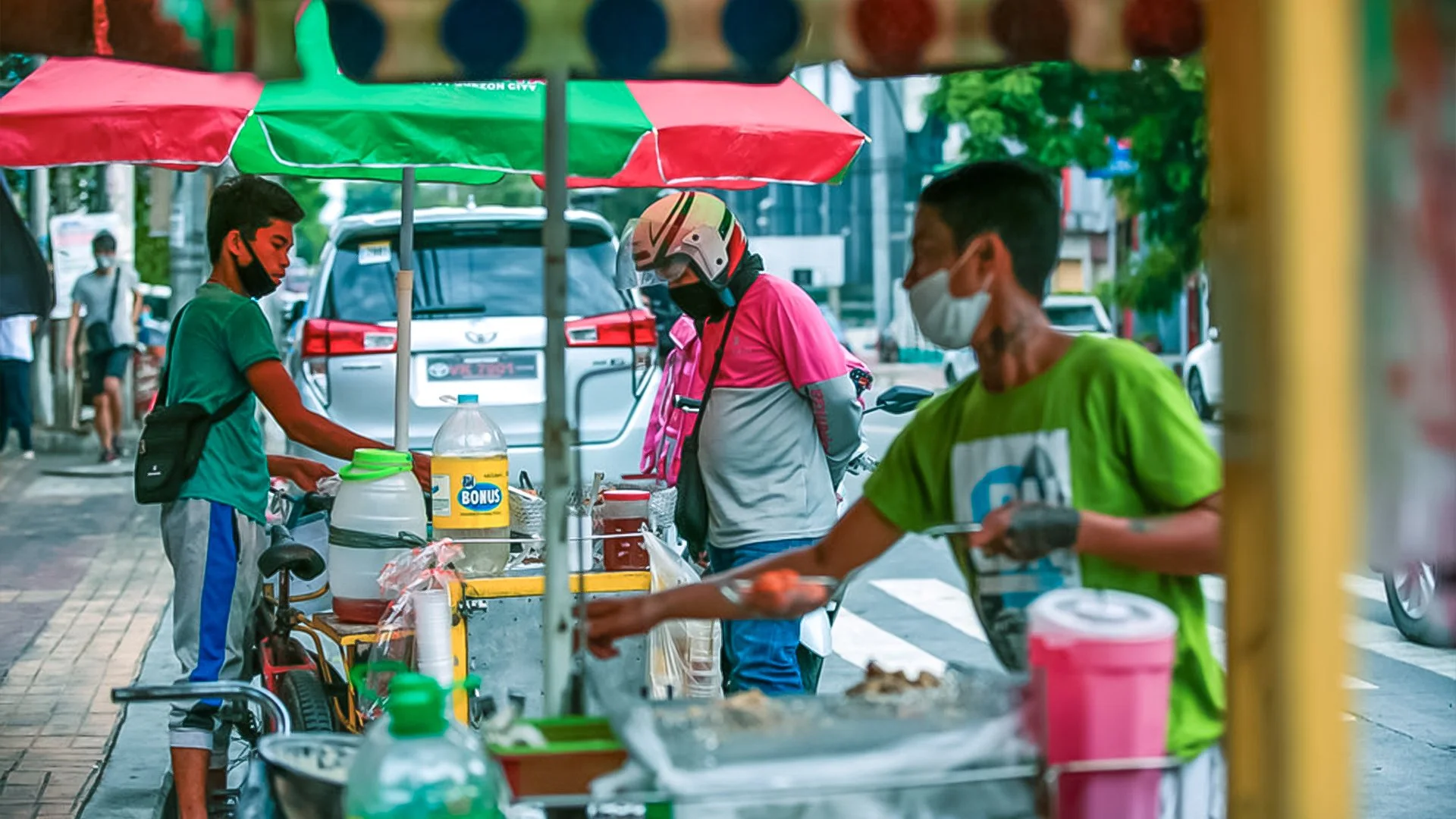
Strategic Spending for Economic Acceleration
According to Palace Press Officer Claire Castro, this massive fund release is more than just a budgetary move — it’s a strategic play designed to create a “multiplier effect” that enhances productivity, supports recovery from recent calamities, and spurs consumer spending.
“The government believes that when public funds are used properly for infrastructure, health, education, or direct subsidies, more money circulates, helping stimulate the country’s economy,” Castro said.
The concept of a multiplier effect is fundamental in both macroeconomics and Forex trading. When public spending increases, consumer demand rises — leading to greater economic output and investor optimism. For traders, this could mean potential Peso strength in the USD/PHP pair if the stimulus successfully drives growth and confidence in the local economy.
Prioritizing Relief, Social Services, and Growth
The Department of Budget and Management (DBM) detailed how the PHP1.3 trillion will be allocated:
● PHP2.74 billion will reinforce the National Disaster Risk Reduction and Management Fund, ensuring swift recovery operations during typhoon season.
● The Department of Social Welfare and Development (DSWD) will receive significant funding, including:
PHP9.52 billion for 4Ps cash transfers,
PHP7.03 billion for AICS crisis aid,
PHP5.77 billion for senior citizen pensions, and
PHP4.83 billion for the Ayuda sa Kapos ang Kita Program.
Such large-scale social spending directly impacts domestic consumption, one of the key drivers of GDP — and a factor Forex traders track closely when assessing potential movement in PHP-related currency pairs.
Agriculture and Food Security as Economic Pillars
The Department of Agriculture will receive PHP7.33 billion for the National Rice Program and PHP2.47 billion for livestock initiatives. Meanwhile, PHP2.29 billion will go to the National Food Authority (NFA) to stabilize rice supplies and strengthen the country’s food reserves.
This agricultural push could influence inflation rates, a critical metric for Forex traders monitoring central bank policy direction and Peso performance. A stable food supply may help tame inflationary pressures — potentially attracting foreign capital inflows and stabilizing USD/PHP and EUR/PHP rates.
Investing in Education, Health, and Jobs
Education remains a cornerstone of long-term growth. The Department of Education (DepEd) will receive PHP203.82 billion, ensuring teacher bonuses, school operations, and subsidies remain uninterrupted. Additionally, state universities and colleges (SUCs) and the Commission on Higher Education (CHED) will get PHP31.78 billion, supporting free higher education and scholarship programs.
In the health sector, PHP14.4 billion has been allocated to hospitals under the Department of Health (DOH) for operations, regional expansions, and patient assistance programs.
The Department of Labor and Employment (DOLE) will also receive PHP4.89 billion to sustain TUPAD, livelihood, and internship programs, creating opportunities for income recovery — a move that could strengthen local purchasing power and stabilize economic sentiment.


Long-Term Economic Impact and Forex Implications
The DBM said around PHP63.7 billion would cover year-end benefits of public servants, stimulating spending before the year closes. DBM Secretary Amenah Pangandaman highlighted that this fiscal stimulus aligns with the government’s long-term goal of strengthening social protection and expanding job opportunities.
“Our programmed spending for the fourth quarter will boost year-end economic growth and thus impact overall economic growth for the year,” Pangandaman stated.
For Forex traders, this fiscal momentum may influence Peso valuation. If government spending successfully drives productivity without triggering inflation, USD/PHP could see support near recent lows. However, excessive spending without corresponding output could raise debt and inflation risks, which might weaken the Peso — an essential factor for traders to monitor.
Institutions like GME Academy (Global Markets Eruditio) highlight how fiscal policies directly shape currency behavior. Understanding these macroeconomic linkages is crucial for those pursuing Forex trading for beginners, as such events provide real-world examples of how economic fundamentals influence price action.
Policy, Performance, and Profit Potential
President Marcos’ PHP1.3 trillion spending directive represents both a short-term stimulus and a long-term investment in the nation’s resilience. For Forex traders, this offers a valuable case study on how fiscal policy, inflation control, and sectoral growth converge to affect currency pair movements like USD/PHP, EUR/USD, and even GBP/JPY through broader market sentiment.
Now more than ever, understanding these economic forces can transform how you read the markets and anticipate price shifts.
Join our FREE Forex Workshop at GME Academy — and learn how to analyze global and local economic policies, read market sentiment, and turn insights into profitable trading decisions.
