

Typhoon Tino’s Toll: When Floods Expose the Cost of Corruption
When Nature Strikes, Mismanagement Amplifies the Damage
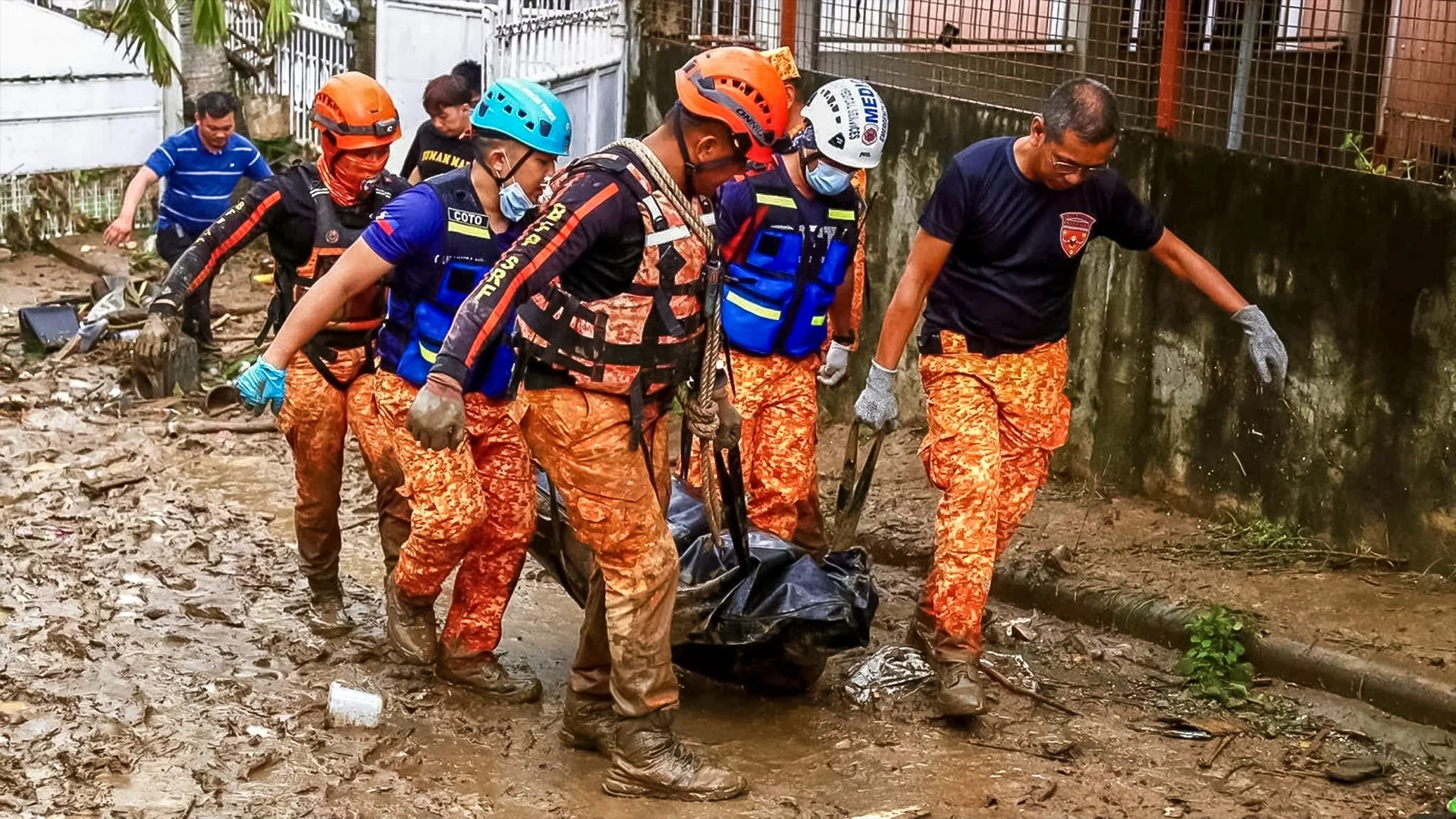
The devastation left by Typhoon Tino (international name Kalmaegi) serves as yet another grim reminder that natural disasters alone don’t kill — negligence, corruption, and unfulfilled promises often do.
According to the National Disaster Risk Reduction and Management Council (NDRRMC), 52 reported deaths are now under verification following Tino’s onslaught, with 50 casualties in Region 7 (Central Visayas) and two in Region 8 (Eastern Visayas).
The figures, already double the previous report of 26 deaths, paint a harrowing picture of how unprepared local infrastructure remains. Over 203,000 families — equivalent to more than 700,000 people — were affected across multiple regions, from Mimaropa to Caraga. Tens of thousands were evacuated, while many more fled to relatives for safety as floodwaters rose.
And yet, this story feels painfully familiar. Every year, we brace for typhoons. Every year, we promise “never again.” But the cycle continues — because in many cases, funds for flood control, drainage systems, and disaster preparedness vanish long before the rains even arrive.
The Real Disaster: Decades of Broken Systems
Floods are predictable. Storm surges can be tracked. But what cannot be weathered is the slow, corrosive flood of corruption that undermines every attempt to protect communities.
Despite billions allocated annually for flood control and drainage projects, entire provinces still lack functional water systems or proper embankments.
In some coastal towns, residents report that newly built flood barriers collapsed within months — not because of nature’s strength, but because of substandard materials and kickback-driven contracts.
When public funds meant for prevention are siphoned off, disaster response becomes reactionary, not proactive. What we see on the news — evacuation centers filled to the brim, families clutching plastic bags of salvaged belongings — is not just a product of weather, but of a systemic failure to prioritize human life over profit.
The Ripple Effect: Lives, Livelihoods, and National Economy
Typhoon Tino’s aftermath also ripples through the economy. Damaged crops in Negros and Bicol, destroyed roads in Eastern Visayas, and delayed shipments all contribute to inflationary pressures — which, in turn, affect the Philippine Peso (PHP) in global Forex markets.
When large-scale calamities occur, investors see risk. Currency pairs like USD/PHP or EUR/PHP often react to market sentiment shaped by governance and stability.
It’s a harsh reality: even in global trading, perception of corruption and inefficiency translates into weakened investor confidence.
That’s why organizations such as GME Academy (Global Markets Eruditio) often emphasize that economic resilience starts with institutional integrity. Strong governance and transparency don’t just build safer communities — they also foster a more stable national currency and a stronger investment climate.
The Lesson: Accountability is the Only True Flood Barrier
Disaster recovery should no longer just mean rebuilding roads and bridges — it must also mean rebuilding trust.
If each typhoon simply triggers another cycle of emergency funding without systemic change, then we are bound to repeat history. Accountability and proper monitoring of infrastructure projects must be the new norm.
After all, the dead cannot demand justice — but the living must.
Floods may be inevitable, but preventable deaths are not. It is time we stop blaming nature and start demanding responsibility from those who control the nation’s purse strings.

Turning Awareness Into Action
Typhoon Tino is not just another storm — it’s a wake-up call. It reminds us that disaster preparedness begins long before the rain starts to fall, and that corruption, not climate, is our greatest threat.
As citizens, we must demand transparency in every project, from flood control to housing.
As traders and investors, we must recognize that economic strength is built on moral strength.
Join the Movement — and Learn to Read the Signs
At GME Academy, we teach more than just charts and currency movements — we teach awareness. Because whether it’s the market or the weather, understanding what truly drives change is key to survival.
Join our FREE Forex Workshop today and learn how global events — from policy shifts to disasters — shape currencies, economies, and lives.
Be informed. Be empowered. Be ready before the next storm hits.
