

The Peso Puzzle: Can Structural Reforms Outweigh Global Headwinds?
Following a period of weakness in the Philippine Peso (PHP), Malacañang confirmed that the nation’s economic managers and the Bangko Sentral ng Pilipinas (BSP) convened to synchronize strategies aimed at stabilizing the currency and the wider economy. The key message from the Palace is one of sustained confidence, emphasizing that the long-term solution lies not in heavy-handed currency intervention, but in accelerating fundamental economic reforms that attract sustained Foreign Direct Investment (FDI).
While the BSP reiterated its commitment to a market-determined exchange rate—signaling a tolerance for short-term volatility—the coordinated policy response aims to reinforce the structural strengths that have already earned the Philippines a coveted investment grade rating. For Forex Trading for Beginners and seasoned analysts alike, the briefing confirmed that the government's battle plan is rooted in macro-stability, driven by two core pillars: low inflation and robust governance.
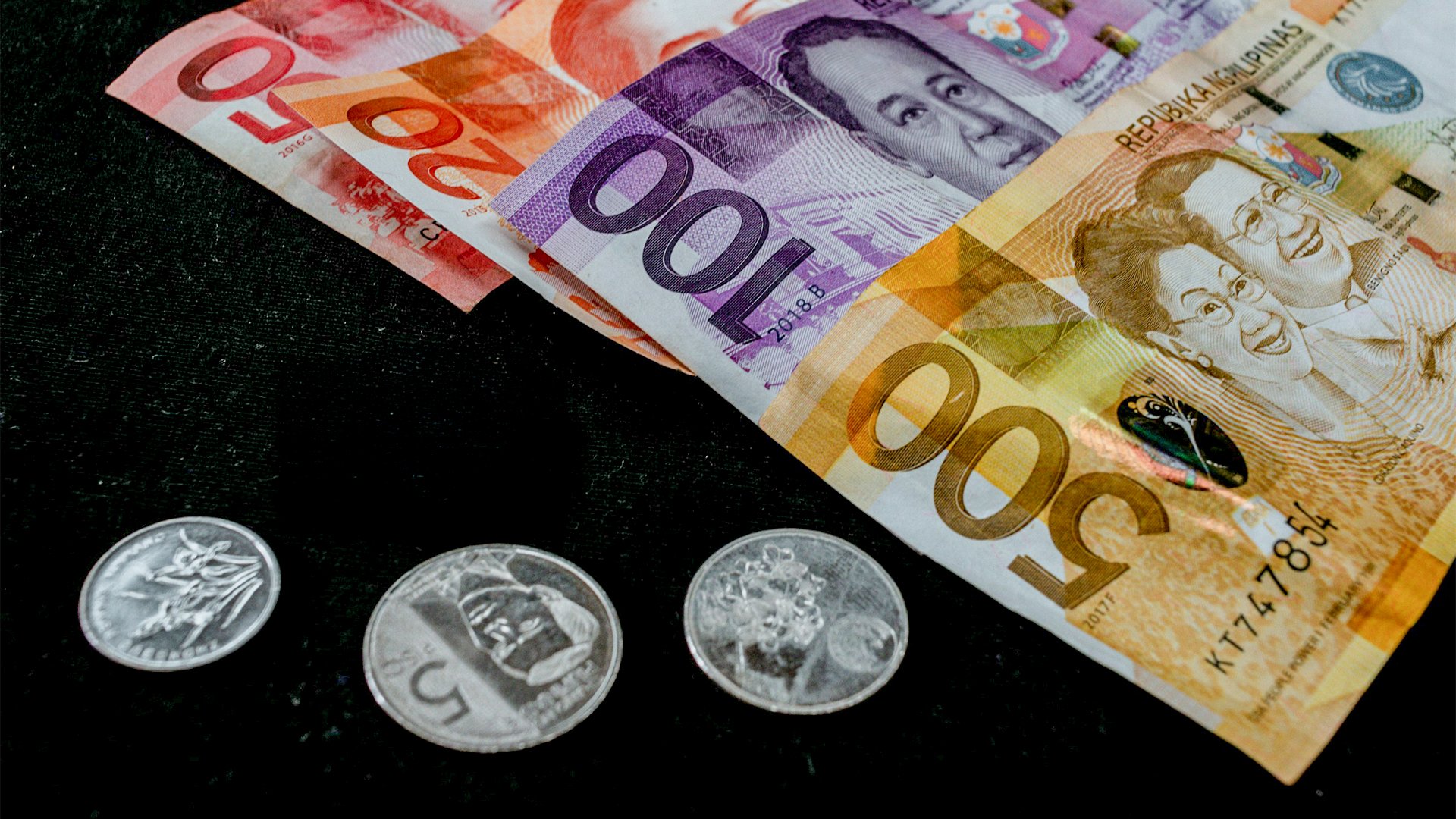
The BSP's Defense: Reserves and Price Stability
Palace Press Officer Claire Castro meticulously communicated the BSP’s unwavering policy stance, which serves as the Philippines' monetary anchor in a volatile global environment.
Market Discipline vs. Currency War
The BSP’s position is clear: the Philippine Peso’s value against the US Dollar (USD/PHP) will continue to be primarily determined by market forces.
Market-Determined Exchange Rate: By not aggressively targeting a specific exchange rate, the BSP preserves its foreign exchange buffers and avoids engaging in a costly "currency war." Intervention will remain limited to addressing disorderly market conditions to smooth out sudden, sharp movements, rather than resisting broader market trends.
Robust Buffers: Castro highlighted the country's strong foreign exchange buffers (Gross International Reserves), which act as a credible deterrent against speculative attacks. This reserve strength is a key factor assessed by agencies and traders engaging in Global Markets Eruditio.
The Inflation Fortress
The greatest strength cited by the economic team is the country’s success in maintaining low and stable inflation, which remains within the BSP's target range for the coming two years. The visual represents the Philippine CPI remaining within or below the BSP’s 2%-4% target, highlighting the low and stable inflation that underpins the government's economic confidence.
Low inflation is directly credited with supporting domestic demand and was a key factor in Standard & Poor’s recent affirmation of the Philippines’ BBB+ high investment grade rating with a positive outlook.
In Forex Trading, a high credit rating paired with anchored inflation provides a strong fundamental signal: the risk of sudden, unexpected monetary tightening to control runaway prices is low, making Philippine bonds and assets more appealing to long-term foreign capital.


The Growth Offensive: Driving Private Sector Participation
To generate the sustained foreign currency inflows necessary to naturally strengthen the PHP, the government is doubling down on structural reforms that boost investor confidence and productivity.
The Reform Agenda
The Palace outlined concrete legislative and administrative actions designed to attract the private sector:
Investment Incentives: Plans are underway to reduce regulations and processes that hamper investments, with new initiatives focused on the crucial agriculture sector.
Key Legislation: The economic team is fast-tracking the implementation of major market-friendly laws, including:
The Public-Private Partnership (PPP) Code, aimed at accelerating infrastructure spending.
The CREATE MORE Act, offering competitive corporate tax incentives.
The Enhanced Fiscal Regime for Large-Scale Metallic Mining, which aims to capitalize on mineral exports.
These structural reforms are essential for lifting the economy's long-term growth potential and increasing its capacity to absorb foreign investment.
Governance and Integrity
Adding a layer of confidence, the Palace cited ongoing efforts to combat corruption, specifically the crackdown on individuals involved in flood control anomalies. Improved governance and transparency are directly linked to higher country risk ratings and increased investor trust, a critical factor for capital flows.
Forex Trading: The USD/PHP and Structural Momentum
For traders focusing on the USD/PHP currency pair, the Palace’s statement confirms that the government's primary focus is on fixing the structural causes of weakness (lack of FDI, regulatory hurdles) rather than the symptom (the weak Peso).
Policy Signal: The BSP's unwavering commitment to its primary mandate (price stability) confirms that the central bank will likely allow some depreciation if it is driven by a globally strong US Dollar or sustained outflows, reserving intervention only for extreme volatility.
The Medium-Term Outlook: Success in implementing the highlighted legislation and attracting FDI will be the decisive factor. Should these reforms unlock significant investment, the increased demand for the Philippine Peso will provide a strong tailwind against the USD, offering a compelling medium-term opportunity for a move to a stronger PHP level.
Are You Positioned to Capitalize on the Philippine Economic Shift?
The Philippine government has clearly articulated its strategy to buoy the Peso through structural strength and fiscal integrity. Understanding how these reforms translate into Forex market moves is essential for capitalizing on the USD/PHP pair.
Master the skill of translating high-level economic policy into actionable currency trades.
Join the GME Academy community today and sign up for our FREE Forex
Workshop to learn how to track the Philippine legislative agenda and position yourself for the inevitable currency response, securing a comprehensive understanding of the forces that move the market.
