

The Drag of Uncertainty: Why the IMF Cut the Philippines’ 2025 Growth Forecast to 5.1%
The International Monetary Fund (IMF) has officially lowered its 2025 GDP growth projection for the Philippines to 5.1%, down from its October estimate of 5.4%. As global trade tensions mount and a significant domestic anti-graft investigation squeezes public spending, the "Tiger Economy" of Southeast Asia is finding its momentum challenged. For the Philippine Peso (PHP) and international investors, this downgrade signals a shift toward a more defensive economic posture.
At Global Markets Eruditio, we analyze these shifts not just as numbers, but as the fundamental "pulse" that dictates currency strength and sovereign risk.
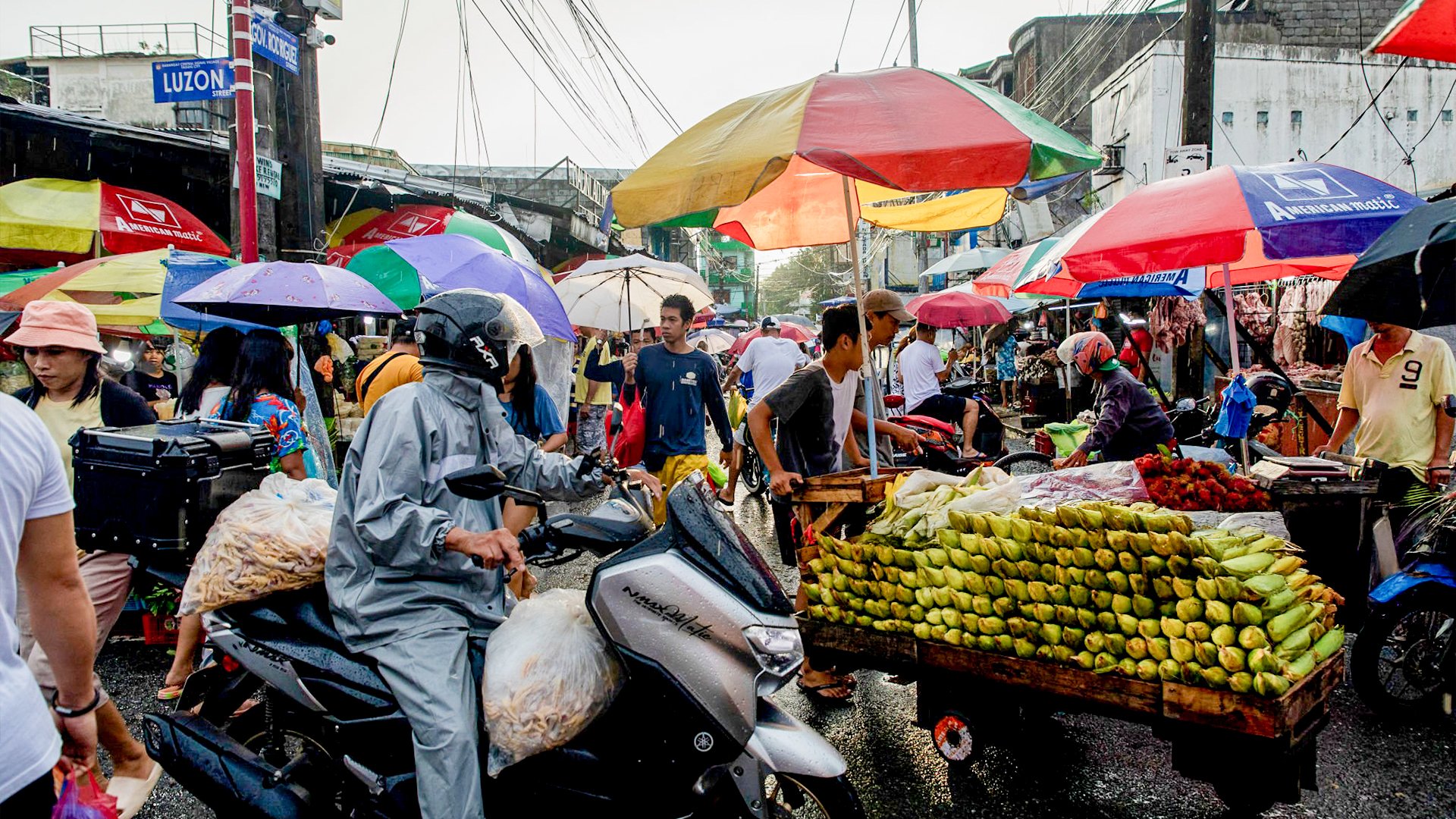
The Anatomy of a Downgrade: What’s Weighting on Growth?
The IMF’s revised outlook follows a "sharper-than-expected" slowdown in the third quarter of 2025, where GDP growth hit a four-year low of 4.0%. Several converging factors are responsible for this cooling:
1. The "Graft Squeeze" on Infrastructure
A massive corruption scandal involving flood control projects at the Department of Public Works and Highways (DPWH) has had a direct cooling effect on the economy.
The Impact: The investigation has led to the suspension of numerous public works projects. Since government infrastructure spending is a primary driver of Philippine GDP, these delays have significantly hampered capital formation.
Confidence Trap: Beyond the immediate spending freeze, the scandal has hit investor confidence, leading to a "wait-and-see" approach for both domestic and foreign capital.
2. Global Trade Uncertainty and Tariffs
External headwinds are growing, with the IMF specifically citing increasing global tariffs as a major risk.
Export Drag: As a nation integrated into global supply chains, the threat of reciprocal tariffs (particularly from the US) weighs heavily on Filipino exports and electronic manufacturing.
Investment Slowdown: Uncertainty over trade policy makes long-term foreign direct investment (FDI) more hesitant, slowing down the expansion of the industrial sector.


The Silver Lining: Inflation and Monetary Relief
While the growth headlines are somber, the IMF noted significant progress in price stability.
Disinflation Success: Inflation is projected to average a remarkably low 1.7% in 2025, well within the Bangko Sentral ng Pilipinas (BSP) target range.
Monetary Pivot: Low inflation gives the BSP "more room" to ease interest rates. An accommodative monetary policy could help cushion the blow to domestic demand and lower borrowing costs for Filipino families and businesses.
Forex Trading: Navigating the USD/PHP Volatility
For those active in Forex Trading, growth downgrades from major multilateral lenders like the IMF, World Bank, and ADB create a specific trading environment for the US Dollar / Philippine Peso (USD/PHP).
Short-Term PHP Pressure: Lower growth expectations typically lead to a weaker currency as investors seek higher returns elsewhere. Traders often see the USD/PHP test higher resistance levels following such news.
The "Shock Absorber": The IMF has encouraged the Philippine government to allow the exchange rate to act as a "shock absorber." This means the BSP may tolerate some Peso depreciation rather than burning through reserves to defend a specific level, allowing the market to find its own floor.
Long-Term Recovery Trade: The IMF maintains that the Philippines' medium-term potential remains strong at 6.0%. For Forex Trading for Beginners, this suggests that current weakness might be a "cyclical" opportunity rather than a structural collapse, especially if the government successfully implements the CADENA Act and other governance reforms.
Don't Just Watch the Market—Master the "Why" Behind the Move
The IMF's downgrade to 5.1% is a reminder that in Forex, politics and economics are inseparable. Whether it's a corruption probe in Manila or tariff talk in Washington, every event leaves a footprint on the USD/PHP chart.
Are you ready to stop guessing and start analyzing? Learn how to turn global economic reports into high-probability trading setups.
Join our FREE Forex Workshop today to learn how to trade the Philippine Peso and other emerging market currency pairs with the precision of an institutional analyst!
