

The White Revolution: DA Earmarks P300M to End the "Boom-and-Bust" Vegetable Cycle
In a major offensive against the recurring "sili shocks" and tomato price spikes that plague Filipino kitchens, the Department of Agriculture (DA) officially launched its "White Revolution" on February 6, 2026. Agriculture Secretary Francisco Tiu Laurel Jr. announced a P300 million investment to scale up climate-resilient farming for high-value crops, aiming to decouple food prices from the whims of volatile weather.
At the GME Academy, we track these agricultural shifts as "hidden" inflation hedges. When the DA successfully stabilizes high-value crop prices, it reduces the volatility of the Consumer Price Index (CPI), providing a more stable environment for the Philippine Peso (PHP) and lowering the risk of emergency interest rate hikes by the BSP.
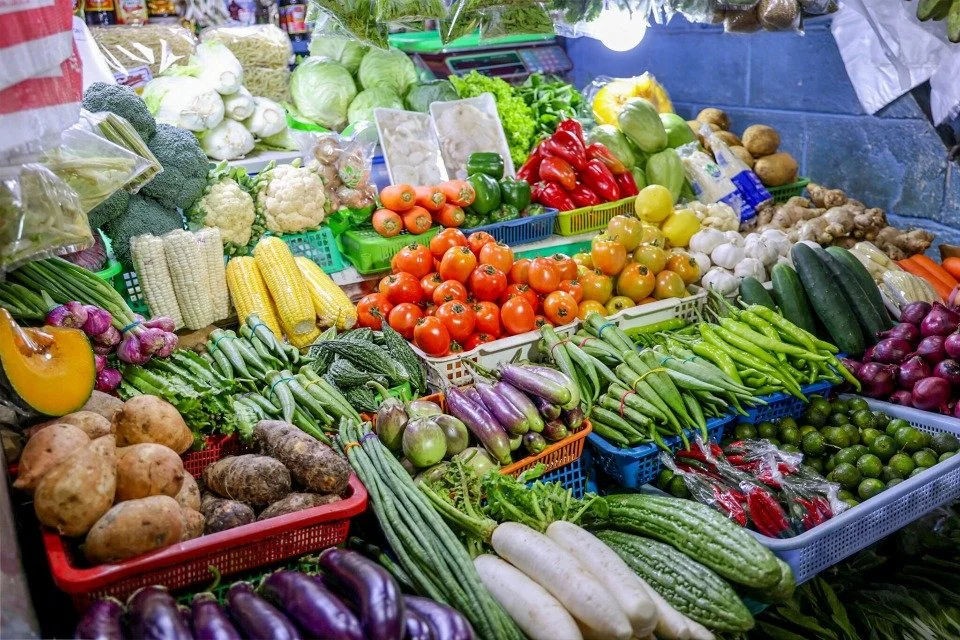
1. What is the "White Revolution"?
The initiative derives its name from the white plastic films used in greenhouses, mulch, and rain shelters—technologies that famously transformed vegetable farming in South Korea and Cambodia.
Instead of betting on massive, high-tech vertical farms, the DA is focusing on "Appropriate Technology":
Rainshelters & Basic Greenhouses: Protecting crops like chili, tomatoes, and bell peppers from torrential rains and extreme heat.
Drip Irrigation & Water Impounding: Ensuring that even during an El Niño, farmers have a precise, year-round water supply.
Seedling Hubs: Community-based centers run by cooperatives, women, and youth to ensure high-quality planting materials are always available.
2. Strategic "Food Corridors" for Urban Markets
To minimize the "logistics tax" that inflates vegetable prices, the DA is establishing production hubs strategically located near—but outside—major consumption centers.
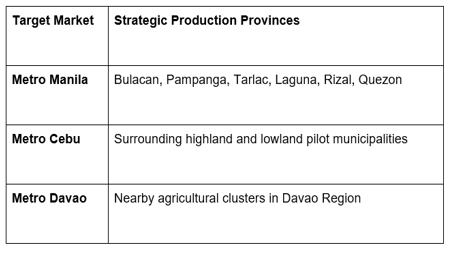
By shortening the distance from "farm to fork," the DA expects to significantly cut post-harvest losses, which currently claim up to 30–40% of vegetable harvests in the Philippines.
3. Market Stability via FTI "Buy-Back" Agreements
Perhaps the most important part of the plan for farmers is the de-risking mechanism. The state-owned Food Terminal Inc. (FTI) has committed to purchasing harvests from these pilot areas at pre-agreed prices.
"If we ask a community to plant chili or bell pepper, whatever they produce will be bought at a fair price," Secretary Tiu Laurel emphasized.
This "Guaranteed Price" model protects farmers from the "bust" phase of the cycle, where a bumper crop leads to prices so low that farmers are forced to dump their produce on the highway.
4. Scaling the Future: The 5,000-Hectare Goal
Currently, the Philippines has only about 500 hectares of greenhouse-covered farms. In contrast, South Korea manages over 52,000 hectares. The Secretary’s goal is to reach 5,000 hectares by 2027, a tenfold increase that would fundamentally shift the country's vegetable self-sufficiency.
Economic Impact for Traders:
Inflation Control: High-value crops are "swing" items in the inflation basket. Stability here prevents "surprise" CPI prints.
Import Substitution: Reducing reliance on imported processed vegetables (which cost the PH over $460 million in 2024) helps preserve foreign exchange reserves.
Rural Income: Transforming farming into a "year-round business" increases rural purchasing power, benefiting domestic consumer stocks.


The GME Academy Analysis: "Climate Resilience is Fiscal Resilience"
At Global Markets Eruditio, we often say that "the weather is a macro-economic variable." The "White Revolution" is an attempt to take the weather out of the equation. For Forex Trading for Beginners, these agricultural updates are your "early warning system" for inflation. If the DA can keep sili prices at P150/kg instead of P1,000/kg during a typhoon, the Philippine Peso will be the ultimate beneficiary of that stability.
Join our FREE Forex Workshop at Global Markets Eruditio!
Want to learn how to correlate "Food Inflation" with USD/PHP price action? Our experts will show you how to use DA production data to predict the next move in the Philippine markets.
