

‘Trillion Peso March’: Faith and Justice Unite as Filipino Laity Calls for Accountability
A Call to Conscience: Faith Meets Civic Duty
The Sangguniang Laiko ng Pilipinas (LAIKO), an organization under the Catholic Bishops’ Conference of the Philippines (CBCP), is calling on Filipino Catholics to stand up once again—this time through the “Trillion Peso March” on November 30. The nationwide protest aims to push for accountability over alleged anomalous flood control projects worth billions of pesos, a controversy that has stirred both public outrage and moral reflection.
The event takes inspiration from the power of peaceful, faith-driven movements that shaped Philippine history—from the 1986 People Power Revolution to the 2013 Million People March. But this time, the fight is over a staggering trillion-peso corruption scandal, symbolizing not just missing funds, but lost opportunities for communities devastated by flooding.
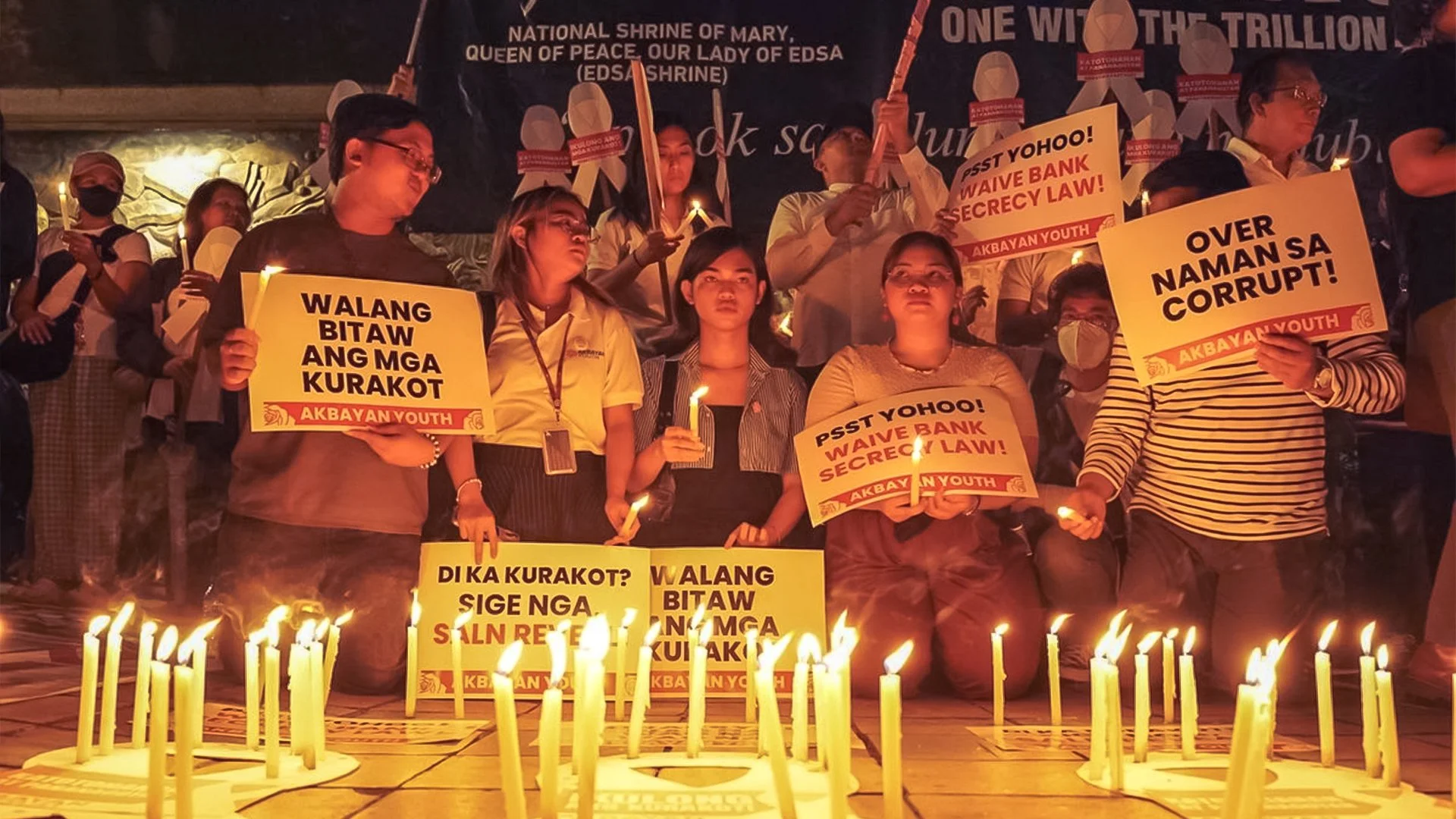
Cry for Justice: “Let Our Voices Rise Above Fear and Apathy”
In its official statement, LAIKO appealed to the faithful to act with courage and conviction.
“We invite all faithful citizens to join and cry out for justice, for change, and for true accountability,” the group said. “Let our voices rise above fear and apathy. Let our conscience awaken the nation. Let our faith move us to action.”
The message underscores a powerful belief that faith is not passive—that moral conviction must translate into civic responsibility. For LAIKO, joining the Trillion Peso March is more than a political act; it’s a spiritual stand for truth and integrity.
Ghost Projects, Stolen Futures
The issue at hand involves billions allegedly funneled into ghost flood control projects—infrastructure that was either unfinished, substandard, or never built at all. These projects were meant to protect communities from floods, but instead, LAIKO argues, they served as channels for corruption that “filled the pockets of politicians and contractors.”
“These ghost projects — unfinished, substandard, or entirely non-existent — represent not only stolen funds but stolen futures. They cry out to heaven for justice,” the group emphasized.
Flooding remains one of the Philippines’ most persistent and costly challenges, often displacing thousands of families, disrupting businesses, and weakening local economies. Funds meant to address this should have strengthened national resilience. Instead, they became symbols of systemic abuse.
Accountability Without Fear or Favor
LAIKO’s statement was clear: no one should be above the law. It demanded full transparency, investigation, and prosecution of all involved in the alleged misuse of public funds—whether high-ranking officials, local politicians, or private contractors.
“Justice demands that the corrupt be exposed, investigated, and prosecuted without fear or favor,” the group said.
The movement’s moral weight lies in its focus on ethical leadership and accountability, values deeply rooted in the Church’s social teachings. LAIKO and the Church Leaders Council for National Transformation have vowed to continue pushing for reform until justice is achieved.
Peaceful Protest, Powerful Message
Unlike partisan rallies, the Trillion Peso March is framed as a peaceful, values-based movement—a gathering of citizens united by conscience, not political color. Participants are expected to include lay leaders, parish organizations, students, and civic groups, all calling for the same goal: a government that serves, not steals.
For ordinary Filipinos, this march is an invitation to rediscover their collective voice. It’s a reminder that civic participation is not only a right but a duty—one that can be guided by faith and compassion.


Why This Matters to Every Filipino
Corruption, particularly in large-scale infrastructure projects, weakens investor confidence, inflates costs for taxpayers, and deepens inequality. The funds allegedly lost could have strengthened flood defenses, saved lives, and boosted rural development.
By rallying peacefully, the faithful are signaling to leaders that integrity remains a non-negotiable value in governance. Beyond faith, it’s also about economics: transparent institutions attract investments, stabilize local markets, and sustain long-term growth—issues that tie directly to Forex trading and the strength of the Philippine peso.
Faith in Action: From Prayer to Protest
As November 30 approaches, the Trillion Peso March is shaping up to be more than just a demonstration—it’s a test of moral unity. For LAIKO and the Catholic faithful, this movement is a reminder that faith, when translated into collective action, can shake systems and renew hope.
“The nation cries out for justice... Justice for lives lost. Justice for opportunities wasted. Justice for integrity and love of country betrayed,” LAIKO declared.
In the end, the march represents a call not only to expose corruption but to restore trust—in government, in community, and in the Filipino spirit.
Join the movement for truth, transparency, and reform. Let your voice be part of the nation’s conscience. And for those seeking to understand how governance, currency stability, and public trust intertwine—join our free Forex workshop at GME Academy, where financial literacy meets national empowerment.
