

Palace Stays Upbeat on Economic Recovery as Peso Finds Stability
Confidence Amid Challenges: Palace Sees Stability Ahead
Despite short-term turbulence in the stock market and currency fluctuations, Malacañang remains confident that the Philippines’ economic foundations are strong.
In a press briefing on Tuesday, Palace Press Officer Claire Castro emphasized that the peso’s recent decline against the U.S. dollar (USD/PHP) appears to be temporary, noting signs of stabilization after weeks of depreciation.
“The value of the peso has started to stabilize,” Castro said, underscoring the administration’s optimism that the economy can withstand global pressures. “Confident pa rin po na ito ay malalagpasan ng ating gobyerno,” she added, reaffirming that the government remains focused on restoring investor confidence.
Castro described the current currency movements as normal short-term adjustments influenced by global conditions such as U.S. monetary tightening and geopolitical tensions. “What matters is that our economy continues to grow and that we have the tools to respond,” she said.
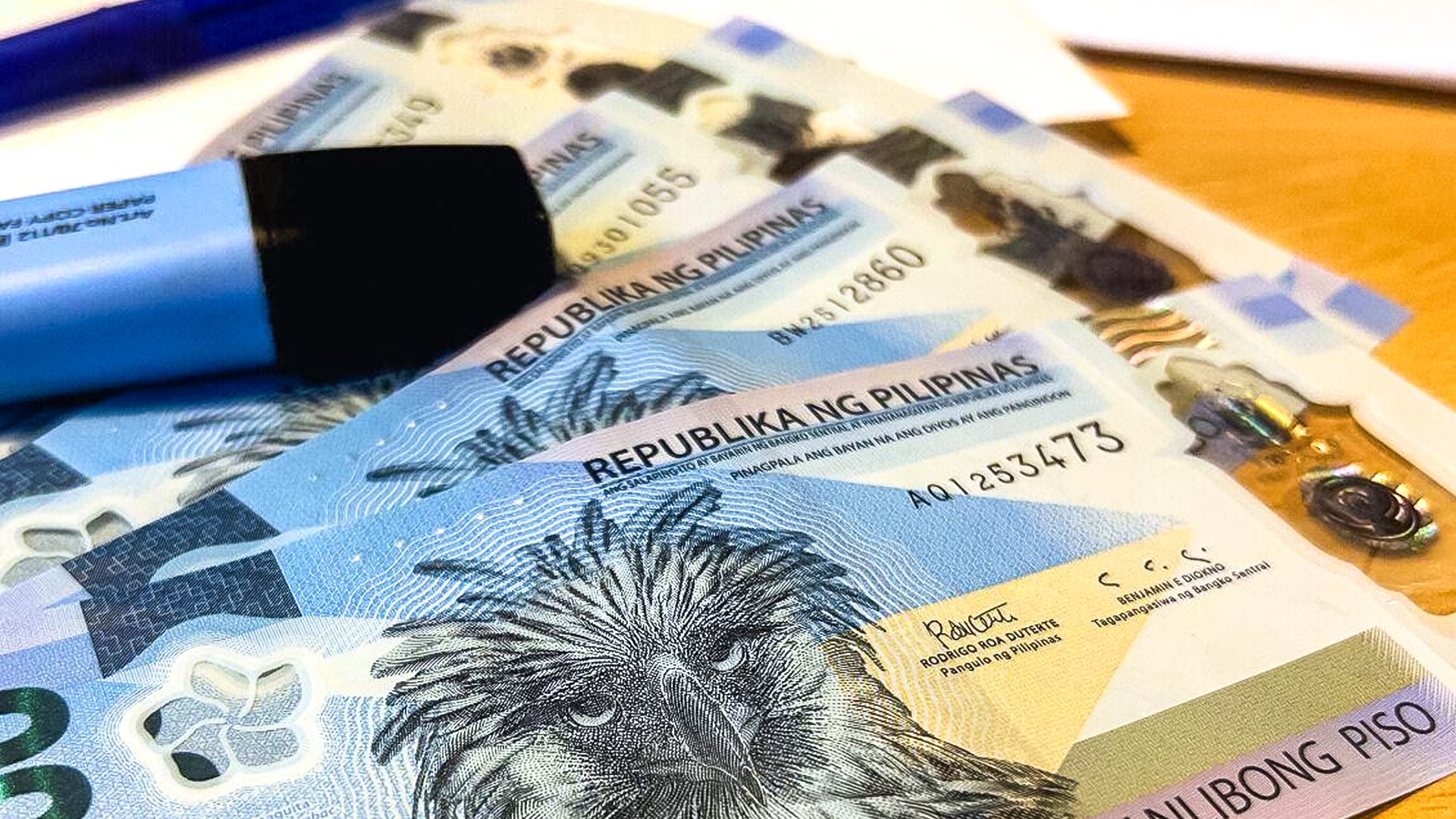
The Strong Pillars: OFWs, BPOs, and Tourism Keep the Economy Afloat
The Palace credited the country’s resilience to the unwavering contributions of Overseas Filipino Workers (OFWs), the Business Process Outsourcing (BPO) sector, and local tourism.
These industries, Castro explained, are the backbone of the country’s foreign exchange inflows. OFW remittances provide a consistent supply of U.S. dollars that help stabilize the peso. Meanwhile, the BPO industry remains one of the country’s top earners, providing high-value jobs and generating steady dollar revenues that cushion external shocks.
Tourism, too, continues to recover strongly, driven by both domestic travel and the resurgence of international visitors. This sector not only brings in foreign exchange but also supports employment in transport, hospitality, and retail — vital links in sustaining local economies.
“These key sectors remind us that the Philippines’ economic story is not one of decline, but of ongoing adaptation and recovery,” Castro said.
Peso Movement and Market Sentiment: A Trader’s Perspective
In late October, the Philippine peso (PHP) briefly weakened against the U.S. dollar (USD), reflecting the cautious sentiment seen across global markets amid rising interest rates and inflation fears. The Philippine Stock Exchange Index (PSEi) also saw declines as investors reacted to broader market uncertainty.
However, recent data shows that the peso has begun to find its footing, with support coming from strong domestic demand and consistent remittance inflows. For Forex traders, the USD/PHP pair offers a valuable glimpse into how emerging-market currencies respond to macroeconomic conditions.
When the U.S. Federal Reserve signals higher rates, the dollar tends to strengthen, prompting investors to move capital into U.S. assets. Conversely, when global markets stabilize and risk appetite returns, emerging-market currencies like the peso can recover.
For those new to Forex trading, this dynamic is key: understanding how monetary policy, capital flows, and sentiment interact can help traders anticipate short-term price movements and identify strategic entry points.
What It Means for Everyday Filipinos
For ordinary Filipinos, the peso’s stabilization is more than just a market story — it has real-world effects.
A stronger or stable peso can help ease inflationary pressure, especially on imported goods such as fuel, food, and raw materials. This, in turn, supports purchasing power and household spending, which are crucial for sustained growth.
A stable currency also boosts investor confidence, making the Philippines more attractive to foreign businesses and investors looking for stable emerging markets. This can translate to job creation, increased capital inflows, and economic resilience in the face of global challenges.
Castro noted that while short-term fluctuations are expected, the government’s macroeconomic fundamentals remain sound — a point echoed by many economists who cite the country’s growing services sector, manageable debt levels, and improving infrastructure investments.


Cautious Optimism: The Road Ahead
Moving forward, the administration’s economic team, together with the Bangko Sentral ng Pilipinas (BSP), continues to monitor both local and global developments. The BSP’s commitment to maintaining price stability while supporting economic growth is expected to help anchor inflation expectations and sustain market confidence.
Analysts believe that as long as remittances, BPO earnings, and tourism growth continue, the peso’s downside risks will remain limited. However, traders should still watch global developments — particularly U.S. rate decisions, energy prices, and geopolitical tensions — which can influence risk appetite across currency markets.
For Forex traders, the next few weeks could present strategic opportunities in the USD/PHP pair and other regional currencies such as AUD/USD and EUR/USD, depending on how global interest rate narratives unfold.
Learn How to Trade Market Reactions Like This
Economic events like peso movements, rate adjustments, and government outlooks are not just news headlines — they are signals of opportunity for informed traders.
Want to learn how to interpret them like a pro?
Join our FREE Forex Workshop at GME Academy and discover how to analyze macroeconomic events, identify profitable trades, and manage risk effectively in the Forex market.
