

The $17.56 Trillion Problem: How a Weak Peso Inflates the PHL's Debt Nightmare
The Bureau of the Treasury (BTr) confirmed a concerning fiscal update for the Philippines: the National Government's (NG) outstanding debt reached $17.562 trillion as of end-October 2025. This figure not only sits just $1 billion short of the all-time peak recorded in July but also significantly overshoots the $17.36 trillion full-year debt program, signalling persistent fiscal strain amplified by external market forces.
The key takeaway for any student of Global Markets Eruditio is that the primary catalyst for this record climb was not just new borrowing, but the upward revaluation effects of the weaker Philippine Peso (PHP) against major foreign currencies, particularly the USD.
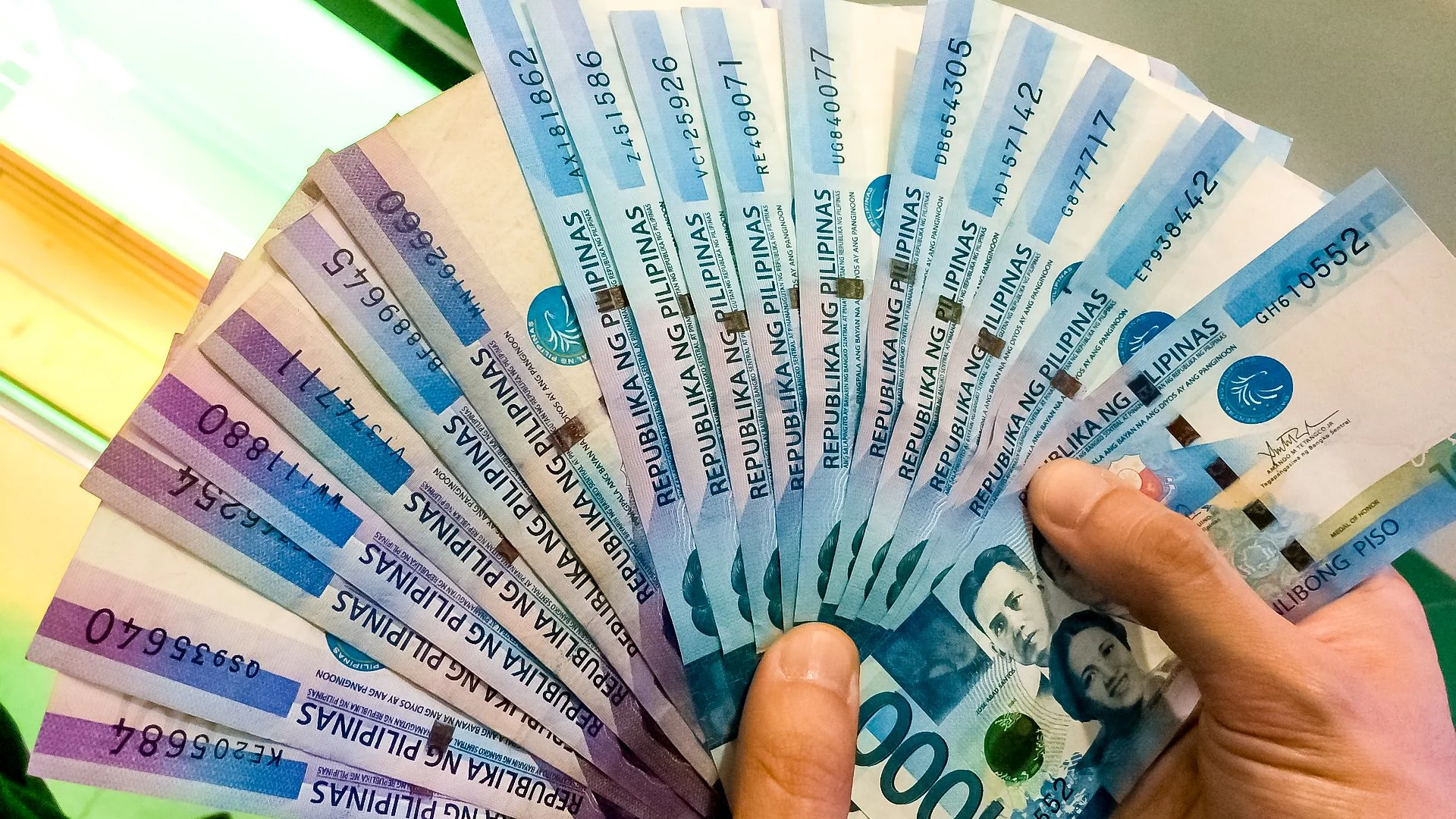
Currency Currents: The Revaluation Effect
A significant portion of the Philippines’ debt is denominated in foreign currencies (external debt), which stood at 31.4% ($5.52 trillion) of the total as of end-October. The rest is domestic debt at 68.6% (12.05 trillion), a strategy aimed at mitigating foreign exchange risk.
However, when the Peso depreciates—as it did, hitting lows near $\text{P}59.13$ to the USD—the local currency equivalent of the external debt increases automatically. This is the revaluation effect.
The Anatomy of the Debt Spike:
$58.64 Billion Added by USD: The BTr specifically attributed approximately $58.64 billion of the increase in external obligations to the Peso's depreciation against the US Dollar. This massive increase was purely an accounting effect—it was not new money borrowed, but the higher local currency cost of servicing existing USD loans and bonds.
Outweighing the Surplus: This foreign exchange impact was so strong that it overwhelmed the positive effect of the budget surplus the National Government posted in October. In a normal month, a budget surplus should help reduce overall debt; however, the powerful mechanics of currency weakness pushed the total debt higher despite the government spending less than it earned that month.
Retail Dollar Bonds (RDBs): Even within the domestic debt portion, the local currency valuation of foreign-denominated domestic securities, like Retail Dollar Bonds, saw an increase of approximately $1.78 billion due to the weaker Peso.
The fundamental challenge for the government is that a strong USD, driven by external factors like elevated US interest rates, directly undermines the country’s fiscal targets and complicates the entire debt management process.


Implications for Forex Trading and Economic Policy
For Forex Traders, especially those interested in emerging markets, this scenario provides clear signals regarding the PHP/USD currency pair:
Monetary Policy Pressure: The Bangko Sentral ng Pilipinas (BSP) faces intense pressure to defend the Peso. A continually weakening currency not only inflates the national debt but also drives up imported inflation (making foreign goods more expensive). This dynamic increases the likelihood that the BSP will have to maintain high interest rates or even raise them further to attract foreign capital and stabilize the Peso, irrespective of domestic growth concerns.
Risk Premium: Sustained high debt levels, especially those vulnerable to Forex shocks, can erode investor confidence. International investors demand a higher risk premium to hold Philippine bonds or assets, which keeps the cost of borrowing high and weighs heavily on the Peso's value.
Fiscal Discipline: The government's goal under the Medium-Term Fiscal Framework (MTFF) is to reduce the debt-to-GDP ratio to below 60% by 2028. Every time the Peso depreciates significantly, that target becomes harder to achieve, raising questions about the sustainability of the fiscal path and adding a layer of fundamental risk to the PHP.
Understanding how currency depreciation creates mechanical, non-discretionary debt spikes is a critical lesson in Forex Trading for Beginners. It highlights the intertwined nature of fiscal policy, Forex dynamics, and central bank action in emerging economies. The exposure to the US Dollar remains the central vulnerability.
This type of detailed macroeconomic analysis, connecting currency movements to national balance sheets, is a core component of advanced education in Global Markets Eruditio.
Are You Equipped to Trade Emerging Market Volatility?
The $17.56 trillion debt figure proves that the strength of the US Dollar is not just a concern for Forex traders—it’s a national fiscal crisis for the Philippines. You need the tools to analyze these complex debt-currency feedback loops.
Elevate your trading skills from focusing solely on interest rates to understanding the full macroeconomic risks.
Join the GME Academy community today and sign up for our FREE Forex Workshop to master the fundamentals of emerging market dynamics and pairs like PHP/USD.
