

The Death of Digital Anonymity: How the Philippine Supreme Court is Hunting Cyber Scammers
For years, cybercriminals operating in the shadows of the internet have relied on a "shield of secrecy" provided by aging banking laws to vanish with stolen funds. However, a landmark ruling by the Supreme Court of the Philippines has just changed the game. By allowing the disclosure of specific account holder information under the Cybercrime Prevention Act of 2012 (RA 10175), the highest court has sent a clear message: your bank account is no longer a getaway car for fraud.
At Global Markets Eruditio, we understand that a secure financial environment is the bedrock of a successful trading career. As the digital landscape evolves, staying informed about these legal shifts is just as critical as mastering the charts.
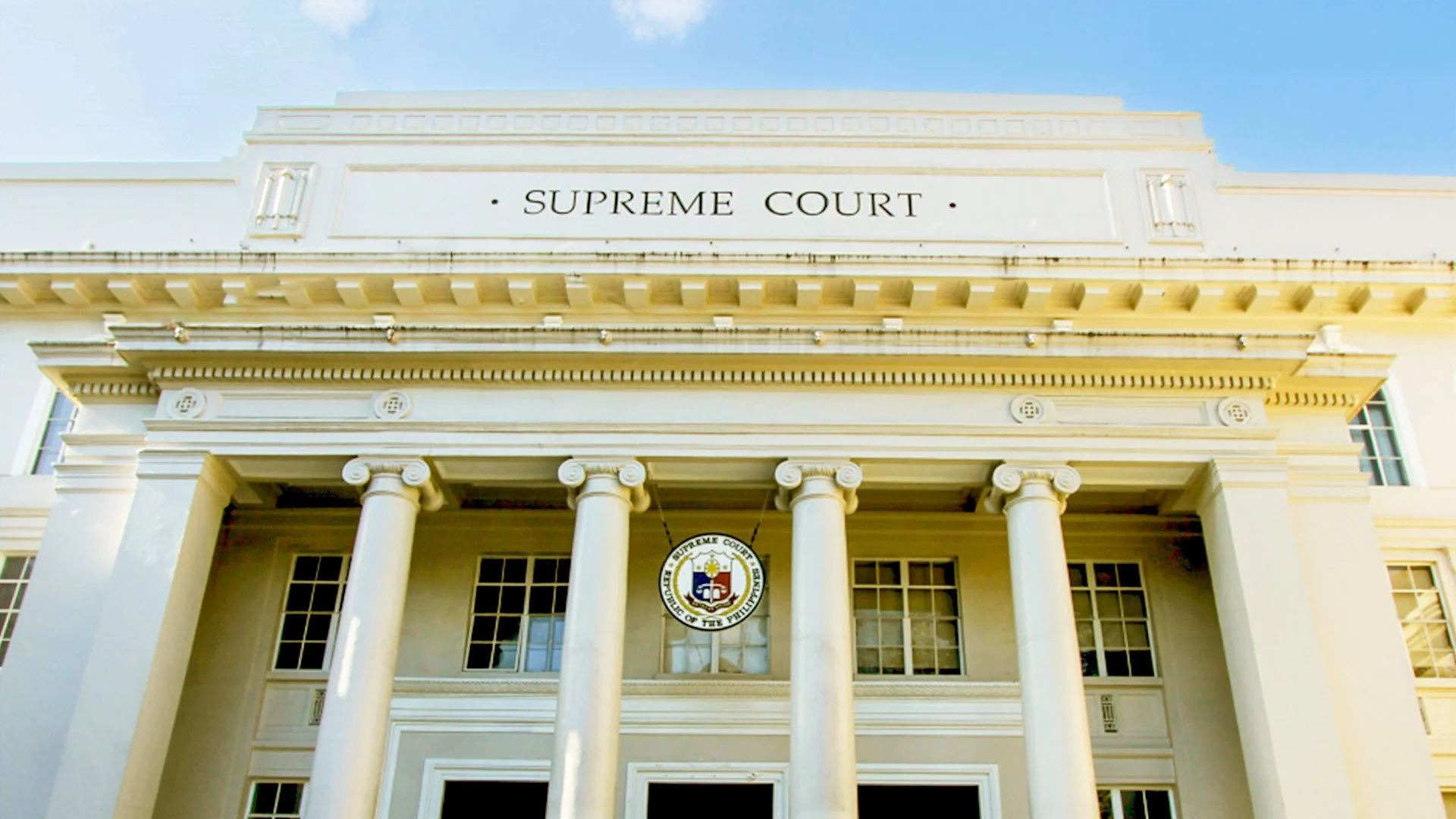
Breaking the Vault: Bank Secrecy vs. Cyber Justice
Historically, bank deposits in the Philippines have been guarded by Republic Act No. 1405, or the Bank Secrecy Law. This made it nearly impossible for law enforcement to identify the people behind the accounts used in digital scams without a lengthy and often unsuccessful legal battle.
The Landmark Ruling (G.R. No. 273720)
In a decision released in late 2025, the Supreme Court clarified that while the amount of money in a deposit remains confidential, the identity of the account holder does not share the same absolute protection when a crime is involved.
Banks as "Service Providers": The Court ruled that because modern banks offer digital platforms, mobile apps, and automated notifications, they qualify as "service providers" under the Cybercrime Prevention Act.
Warrant to Disclose Computer Data (WDCD): Law enforcement agencies, such as the PNP Anti-Cybercrime Group, can now secure a court-issued warrant to compel banks to reveal names, addresses, and contact details of suspected scammers.
The "Vending Machine" for Fraud: No longer can a scammer hide behind an anonymous EastWest or BDO account after tricking a victim into a "vishing" or "phishing" trap.
A Safety Net for Forex Trading for Beginners
Why is this a monumental win for the trading community? Unfortunately, the world of Forex Trading—specifically for those just starting out—is often targeted by "fake gurus" and unregulated platforms.
Imagine a beginner attempting to trade the US Dollar (USD) or the Canadian Dollar (CAD). They are enticed by a social media ad promising a 500% return on a small deposit. They transfer their hard-earned money into a local bank account, only for the "broker" to disappear. Under the old interpretation of the law, the bank could refuse to tell the police who owned the account where the money landed. Not anymore.
Tracing the Global Flow
Even when dealing with cross-economy news and major pairs like the EUR/USD or the volatile GBP/JPY, the local "exit point" for scammed funds is usually a domestic bank account. By stripping away the anonymity of these accounts, the Supreme Court is essentially "patching" a vulnerability in the Philippine financial system.
Education: Your First Line of Defense
While the law is catching up, the best way to stay safe is through proper mentorship. At GME Academy, we believe that "Eruditio" (knowledge) is the most powerful tool a trader possesses. We teach our students to recognize the red flags of a scam before they ever hit the "transfer" button.
The GME Guide to Secure Trading:
Regulation Over "Gains": Never send US Dollars or any other currency to an entity that isn't transparent about its regulatory standing.
Master the Technicals: Scammers thrive on your lack of knowledge. If you understand why the GBP/JPY is moving, you won't fall for a "guaranteed signal" scam.
Verify the Bridge: If a platform asks you to deposit into a personal bank account instead of a corporate brokerage account, it is an immediate red flag.
A Stronger Market for a Digital Future
This Supreme Court decision reflects the reality of 2025: the digital economy is now the main economy. By allowing the tracing of cyber-scammers through bank records, the judiciary is reinforcing the integrity of the entire financial sector.
For the serious trader, this means less "noise" from bad actors and a safer environment to grow capital. Whether you are hedging with the US Dollar (USD) or looking for high-yield opportunities in the currency markets, knowing that the law is on the side of transparency is a significant "bullish" signal for the industry.
Level Up Your Trading with Total Security
The world of finance is changing, and the laws are finally catching up. But are you catching up to the markets? Understanding the legal landscape is only the beginning. To truly succeed in Forex, you need to understand price action, risk management, and the fundamental drivers of global wealth.
Don't trade in the dark or fall victim to the shadows. Join a community that values intellectual honesty and professional excellence.
Ready to start your journey the right way?
Join our FREE Forex Workshop today and discover how to master the charts while protecting your capital in the modern digital age!
