

The Return of the "Pork" Shell: Why Congress Doubled the 2026 Ayuda Budget
While lawmakers cite a "humanitarian lifeline" following a series of disasters, budget watchdogs and veteran senators warn that the P63.8 billion AICS allocation is a tactical "pork barrel" maneuver ahead of the next election cycle.
The bicameral conference committee has made a bold—and controversial—move by more than doubling the funding for the Assistance to Individuals in Crisis Situations (AICS). The final amount, settled at P63.8 billion, far exceeds the P26.9 billion originally proposed by Malacañang. While proponents argue the increase is a necessary response to a brutal year of natural disasters, critics see a familiar pattern: the weaponization of social aid for political patronage.
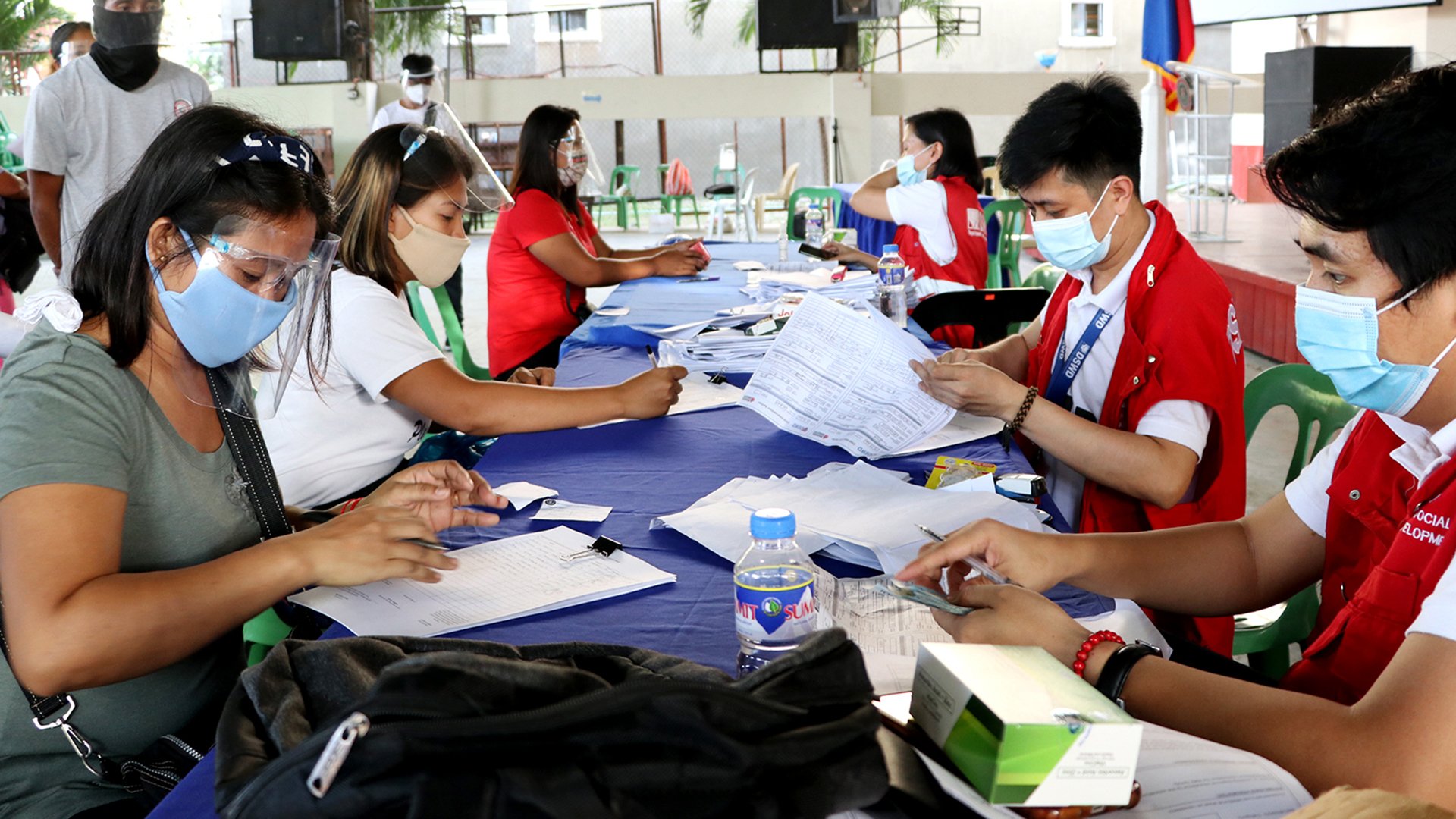
The "Bicam" Tug-of-War: How P26B Became P63B
The journey to the final P63.8 billion figure reveals a deep divide in how the House and Senate view discretionary spending.
Malacañang’s Original Proposal: P26.9 billion.
The House of Representatives: Pushed for an aggressive P59.09 billion.
The Senate: Initially endorsed a more conservative P34 billion.
During deliberations, House Appropriations Chair Rep. Mikaela Angela Suansing claimed the surge was requested by DSWD Secretary Rex Gatchalian to accommodate seven million additional beneficiaries. Support for the hike was echoed by Senate Finance Chair Sherwin Gatchalian (the Secretary’s brother), who pointed to the devastation caused by Typhoons Uwan, Tino, and Ramil, as well as recent earthquakes.
The "Pork" Red Flags: Patronage vs. Protection
Despite the humanitarian justifications, the "pork barrel" label persists. Unlike system-based social protections like the 4Ps, AICS is discretionary. This means funds are often distributed at the local level, where the line between government aid and "political gifts" often blurs.
The "Election Year" Surge
Senator Panfilo Lacson has been the most vocal critic, presenting data that suggests AICS is "politics-driven" rather than "needs-driven." He cited a historical pattern where AICS funding swells during election seasons:
2020: P18.2 billion
2022 (Presidential Election): P39.7 billion (A massive spike)
2025 (Midterm Elections): P44.4 billion
2026 (Post-Midterm/Prep for 2028): P63.8 billion
"This is the pattern," Lacson argued. "If this is just a stop-gap intervention, why are there mass gatherings of beneficiaries? These gatherings foster utang na loob (debt of gratitude) rather than genuine social protection."


MAIFIP: The Healthcare Parallel
The controversy isn't limited to AICS. The Medical Assistance to Indigent and Financially Incapacitated Patients (MAIFIP) program also saw a massive boost to P51 billion.
A coalition of 72 medical organizations has urged that these funds be diverted directly to PhilHealth. They argue that MAIFIP relies on "guarantee letters" from politicians, effectively making healthcare access a political favor. Senator JV Ejercito, a champion of the Universal Health Care Act, warned that this "supersized" budget risks turning healthcare into a "politically mediated process."
The New Safeguards: Can Politicians Be Barred?
To counter allegations of politicking, Senator Erwin Tulfo—himself a former DSWD Secretary—moved to include special provisions in the 2026 General Appropriations Bill. These provisions supposedly:
Ban politicians from participating in or being present during cash distributions.
Direct DSWD social workers to be the sole authority in identifying beneficiaries.
Eliminate "SAGIP" funds, which were previously flagged for anomalous flood control projects, to ensure all aid is upfront and transparent.
However, groups like Bagong Alyansang Makabayan (Bayan) remain skeptical. Chairman Teodoro Casiño noted that as long as discretionary power remains concentrated in the hands of lawmakers, the "pork barrel system" is alive and well.
The Global Markets Perspective
At Global Markets Eruditio, we believe that understanding the fiscal landscape of a country is essential for any trader or investor. Large-scale discretionary spending like the AICS hike can impact the national deficit and influence the strength of the Philippine Peso (PHP) against major pairs like the USD/PHP.
When government spending shifts from long-term infrastructure to short-term cash aid, it changes the "velocity of money" in the local economy. For Forex traders, monitoring these budget cycles is a key part of fundamental analysis.
Master the Fundamentals of Finance
Whether it's the national budget or the global currency markets, knowledge is your best asset. Understanding how fiscal policy affects the US Dollar (USD), the Canadian Dollar (CAD), or the EUR/USD is what separates a beginner from a professional.
Ready to see how global news moves the markets?
Join our FREE Forex Workshop today and learn how to navigate fiscal volatility with confidence!
