

How to Break the Cycle of Corruption and Protect Your Future
Corruption may feel like a problem too big for ordinary Filipinos to tackle. Headlines talk about billions lost, politicians implicated, and projects left unfinished. But the reality is that every citizen holds power—the power to demand accountability, resist small-scale bribery, and protect both their personal finances and the nation’s future.
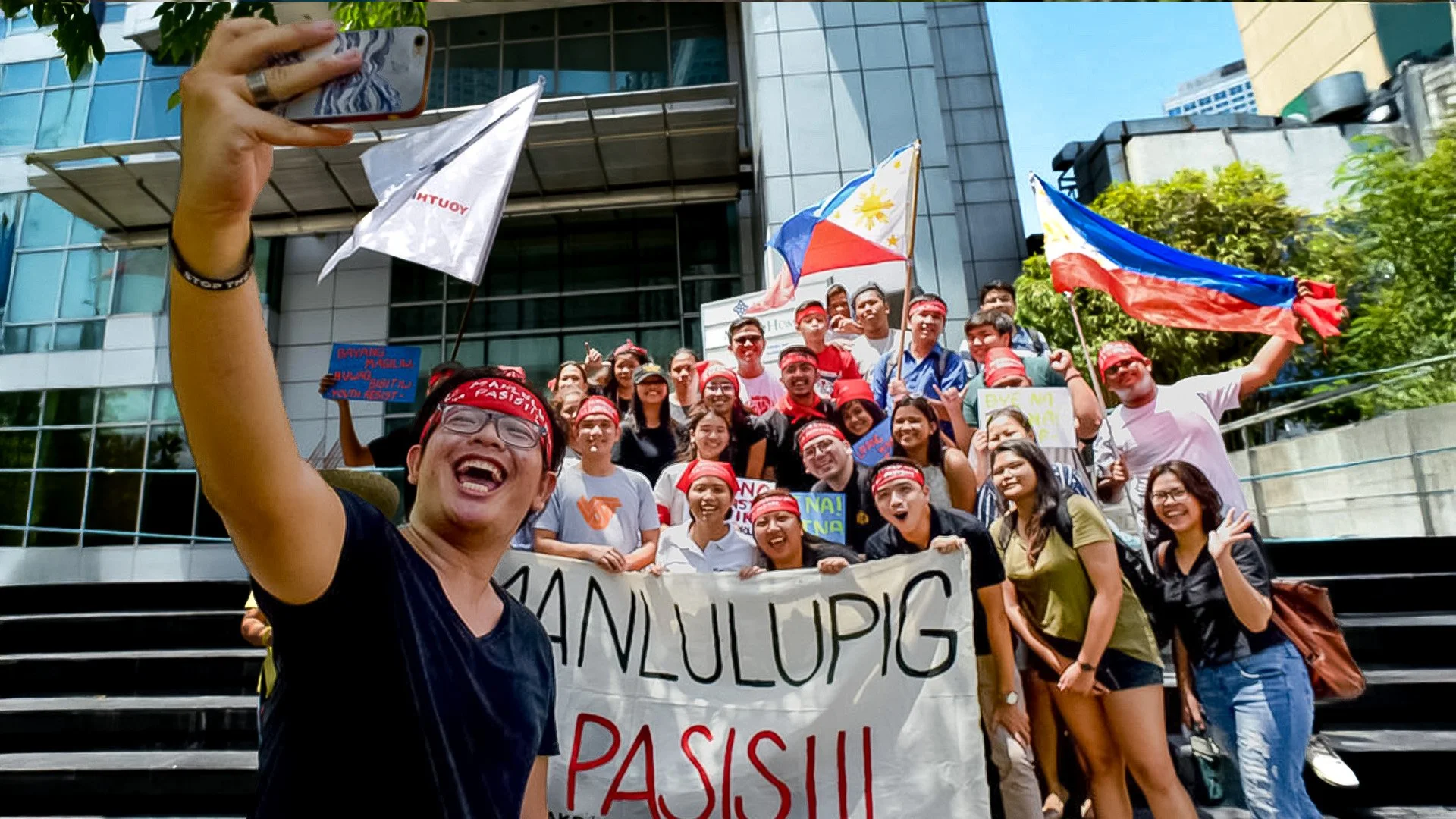
Why Ordinary Citizens Matter
Corruption isn’t limited to high-profile scandals. Every act of bribery, vote buying, or tacit acceptance of mismanagement feeds a system that weakens public services, inflates costs, and slows economic growth. Ordinary citizens, through everyday choices, directly shape the culture that allows corruption to thrive. Recognizing this connection is the first step toward meaningful change.
Step 1: Demand Transparency
Transparency is one of the strongest tools against corruption. Citizens can insist that government budgets, procurement contracts, and project updates are publicly accessible and understandable.
Track local infrastructure projects: Are roads, bridges, and schools completed on time and within budget?
Verify public spending: Use official portals, audit reports, and citizen monitoring platforms to check where funds are going.
Ask questions: Attend barangay assemblies, school board meetings, and community consultations to hold officials accountable.
When citizens actively monitor projects and expenditures, misused funds have nowhere to hide.
Step 2: Embrace Digital Governance
Technology can be a game-changer in the fight against corruption. Digital platforms reduce opportunities for under-the-table deals and increase government accountability.
Report incomplete or suspicious projects using e-governance apps or online reporting tools.
Participate in digital transparency initiatives to minimize the need for middlemen or “fixers.”
Encourage local officials to adopt digital tracking systems for budgets and public services.
Digital governance makes corruption more visible, easier to track, and harder to sustain.
Step 3: Vote Wisely
Elections are the most direct way citizens influence governance. Your vote determines who holds power, which in turn shapes policies, budgets, and priorities.
Research candidates: Examine their track record on fiscal responsibility, integrity, and transparency.
Resist vote-buying: Short-term gain today can cost years of mismanaged projects tomorrow.
Engage in community discussions: Debate governance issues with family, neighbors, and local organizations to raise collective awareness.
Wise voting decisions create leaders who prioritize accountability and public service.

Step 4: Build Financial Literacy
Understanding how corruption affects your personal finances is critical. Corruption drives up the cost of public services, weakens the peso, and inflates prices for essentials like food, fuel, and medicine.
Learn how taxes, government spending, and inflation work.
Connect news about scandals or mismanaged projects to personal financial impacts.
Share insights with family and community to create broader awareness.
Financial literacy empowers citizens to see the stakes clearly and take informed actions.
Step 5: Encourage Ethical Practices in Your Circle
Change begins locally. Small acts of integrity accumulate into powerful cultural shifts.
Refuse to pay bribes or “lagay” for shortcuts.
Support businesses that uphold ethical standards.
Praise transparency initiatives in schools, workplaces, and local government.
Lead by example: your choices influence friends, neighbors, and colleagues.
The Power of Collective Action
Breaking the cycle of corruption requires action, not passive hope. Guard your vote, demand transparency, leverage digital governance, build financial literacy, and resist small-scale corruption. Every citizen who monitors spending, asks questions, or votes responsibly chips away at the system.
Together, ordinary Filipinos can reclaim public services, strengthen the economy, and ensure that every peso serves the people—not the pockets of the few. Every small step counts. Every voice matters. The future depends on the choices made today.
