

Who Will Pay for Our Debt? How Corruption Steals the Future
National debt can feel like a distant number—something economists and policymakers discuss—but in the Philippines, it’s a burden that lands directly on the shoulders of every Filipino. Much of this debt grows because corruption diverts funds from the projects they were meant to support. Every misused peso increases borrowing, inflates interest payments, and shifts the financial burden to future generations.
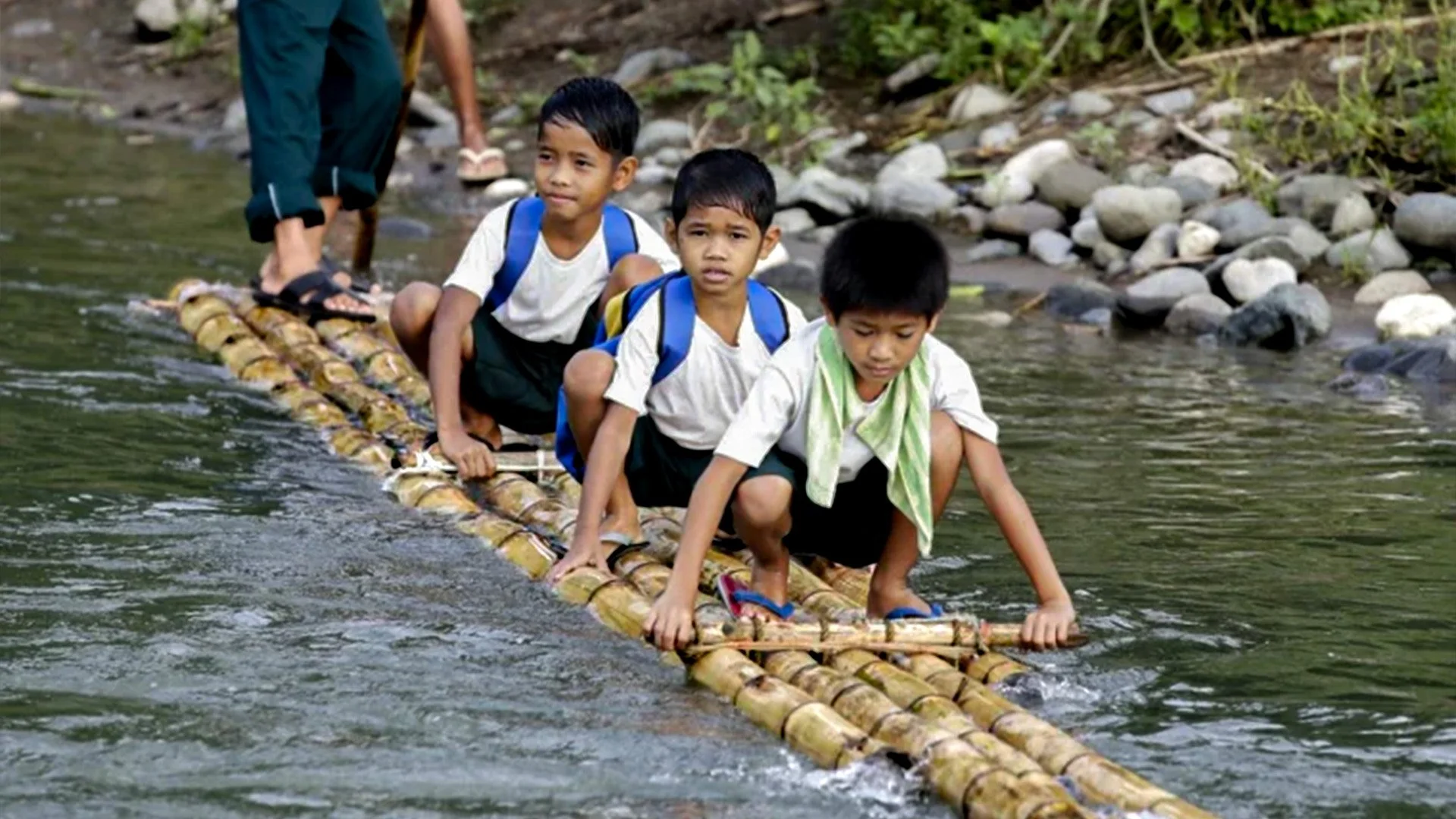
Borrowed Funds Gone Missing
The government borrows billions to fund infrastructure, education, healthcare, and disaster relief. Ideally, these loans should result in roads that last decades, schools that educate millions, and hospitals that heal the sick. But corruption often interrupts this process.
Consider projects that remain unfinished despite billions spent: bridges left half-built, flood control systems abandoned, or schools that exist only on paper. Funds allocated for these projects are often siphoned off into the hands of a few, while the nation continues to pay the interest and principal on the borrowed money. Families, meanwhile, see little to no benefit from these projects, yet the cost of debt continues to grow.
Higher Debt Means Higher Taxes
When government funds are misused, borrowing becomes necessary to fill the gaps. The more the country borrows, the larger the interest payments become. These payments don’t come from thin air—they are drawn from taxpayers.
For ordinary Filipinos, this translates into rising taxes, higher fees, and increased contributions to social services that may remain underfunded. Families may pay more for basic services even as schools remain overcrowded, hospitals continue to lack essential equipment, and roads deteriorate faster than they are repaired.
Corruption today transforms into higher financial burdens tomorrow, turning borrowed hope into long-term economic strain.
Long-Term Peso Risks
Corruption also undermines the stability of the Philippine peso. Mismanaged borrowed funds erode investor confidence, making foreign investors hesitant to commit capital to the country. Slower investment inflows mean weaker economic growth and increased volatility in the peso.
A weaker peso raises the cost of imports like rice, fuel, medicine, and construction materials, compounding the financial pressure on families. Inflation climbs, everyday costs rise, and households feel the weight of corruption in every purchase. If left unchecked, future generations may inherit both higher debt and a weaker currency, further limiting economic opportunity.
The Human Cost
The consequences of corruption-driven debt are tangible:
Education suffers: Underfunded schools and incomplete projects reduce learning opportunities, forcing families to pay for private alternatives.
Healthcare remains inadequate: Clinics and hospitals struggle to function due to diverted funds, making medical care more expensive and less accessible.
Infrastructure stagnates: Roads, bridges, and flood control systems remain substandard, increasing commuting costs and limiting access to jobs.
Disaster preparedness fails: Communities face greater risks during typhoons and floods because protective projects are incomplete or poorly maintained.
Corruption converts borrowed hope into borrowed trouble, leaving those with no control over today’s decisions to bear the cost.


How Filipinos Can Break the Cycle
The cycle of debt and corruption can be broken, but it requires vigilance and accountability from citizens:
Demand Transparency: Ensure that government loans, project contracts, and spending reports are publicly accessible.
Monitor Projects: Track the progress and completion of government-funded infrastructure, schools, and hospitals.
Vote Responsibly: Elect leaders with proven integrity and fiscal discipline.
Educate the Next Generation: Teach young Filipinos about the dangers of debt mismanagement and corruption.
Every action—questioning irregularities, resisting bribes, supporting transparency—reduces the risk of wasted funds and lessens the debt burden for future generations.
Corruption doesn’t just steal today’s resources—it borrows from our future. Every unfinished bridge, abandoned school, or mismanaged flood control project passes the cost to our children. But ordinary Filipinos hold the power to change this. Guard your vote, demand accountability, and support transparent governance. Every small action today ensures that future generations inherit opportunity, not debt.
