

Duterte’s Day of Reckoning: ICC Prosecutors Push for Trial Over "Drug War" Killings
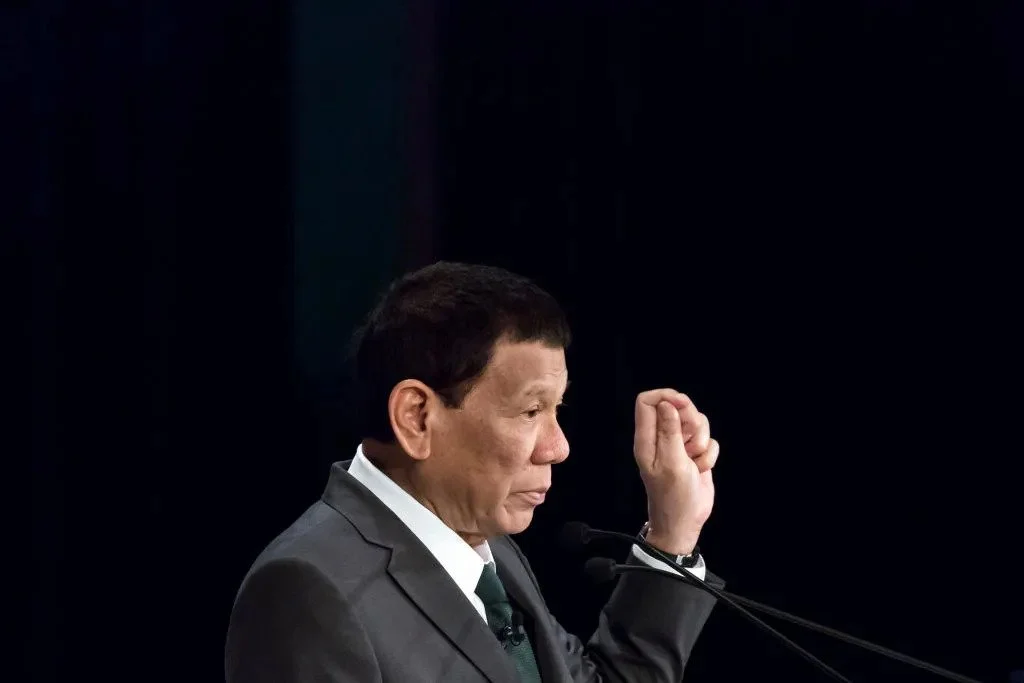
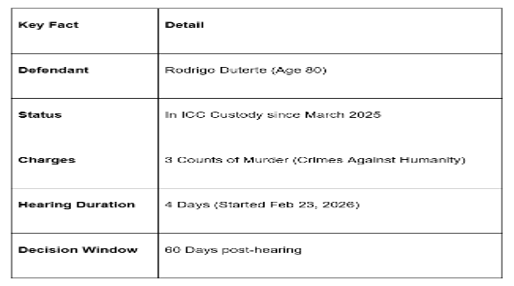
The legal battle over the Philippines’ controversial "War on Drugs" entered a historic phase on Monday, February 23, 2026. At the International Criminal Court (ICC) in The Hague, prosecutors formally presented three counts of murder as a crime against humanity against former President Rodrigo Duterte, asserting that his leadership oversaw the systematic killing of thousands of civilians, including children.
Duterte, who has been in ICC custody since March 2025, now faces the critical "confirmation of charges" hearing. This four-day proceeding will determine if there is sufficient evidence to move forward with a full-scale criminal trial.
1. The Prosecution's Case: "Only a Fraction"
The prosecution opened the hearings with a grim assessment of Duterte’s tenure, both as the Mayor of Davao City and as the 16th President of the Philippines.
Crimes Against Humanity: Prosecutor Mame Niang argued that the anti-drug operations were not legitimate law enforcement but a coordinated attack on the civilian population.
The Toll on Children: The prosecution specifically highlighted the deaths of minors during police operations, stating that Duterte "must be held to account" for a campaign that resulted in thousands of extrajudicial killings.
The "Davao Roots": Notably, the charges span his decades-long career, suggesting the alleged "death squad" patterns established in Davao were later scaled nationally.
2. The Defense: Rhetoric vs. Intent
Lead counsel Nicholas Kaufman launched a vigorous defense, categorizing the ICC's actions as "politically motivated" and maintaining Duterte's full innocence.
Instilling Fear: The defense argued that Duterte’s notoriously violent rhetoric was a tool for law and order, not a directive for murder. "Duterte's rhetoric was meant to instill fear and a respect for the law," Kaufman told the court.
Lack of Criminal Intent: The defense maintains that the former president never intended for civilians or children to be killed and that his actions remained within the bounds of his executive duties to protect the state from the drug menace.
3. What Happens Next? The 60-Day Clock
This hearing is a procedural "gatekeeper" and will not determine guilt or innocence. Instead, the ICC judges are assessing the weight of the evidence.
Duterte’s Absence: Now 80 years old, Duterte was allowed to waive his appearance at this pre-trial stage. However, if the judges confirm the charges, he will be required to be present for the formal trial.
The Ruling: Under ICC rules, the judges have 60 days from the conclusion of these hearings to issue a ruling.
The Trial Chamber: If even one of the three charges is confirmed, the case will be elevated to a Trial Chamber, potentially marking the first time a former Philippine head of state is tried for international crimes.


GME Academy Analysis: "The Sovereignty Premium"
At Global Markets Eruditio, we are monitoring the geopolitical and economic implications of this case for Southeast Asia.
Trader's Takeaway for February 2026:
Philippine Peso (PHP) Volatility: The ICC proceedings have historically caused friction within the Philippine government. Any domestic civil unrest or political polarization resulting from the Hague hearings could lead to short-term weakness in the PHP.
Foreign Direct Investment (FDI): Investors are watching for the Philippine government's official response. A rejection of the ICC's authority could trigger "Rule of Law" concerns among European trade partners, potentially impacting GSP+ trade preferences.
Regional Precedent: This case is a "litmus test" for international law in Asia. Its outcome will set the tone for how other regional leaders interact with international judicial bodies.
Join our FREE Macro Workshop at Global Markets Eruditio!
How will the ICC ruling impact the PSEi (Philippine Stock Exchange)? We’ll analyze the Political Risk Index for Southeast Asia and show you how to hedge against emerging market volatility.
