

ICC Warrants Could Go Directly to Law Enforcement, DFA Clarifies Amid Dela Rosa Reports
DFA Clarifies ICC Warrant Transmission
The Department of Foreign Affairs (DFA) clarified on Saturday that arrest warrants issued by the International Criminal Court (ICC) may be sent directly to law enforcement agencies, rather than being routed through embassies or other government offices.
This statement came in response to inquiries about the supposed ICC warrant for Senator Ronald “Bato” Dela Rosa, a key figure in the Duterte administration’s controversial anti-drug campaign. DFA spokesperson Angelica Escalona said:
“The Department of Foreign Affairs and the Philippine Embassy in The Hague have not received any warrant of arrest or related documents from the ICC, nor has any such document been uploaded in the ICC online portal.”
She added that under the Rome Statute, if an arrest warrant exists, it can be transmitted directly to law enforcement agencies of relevant countries.
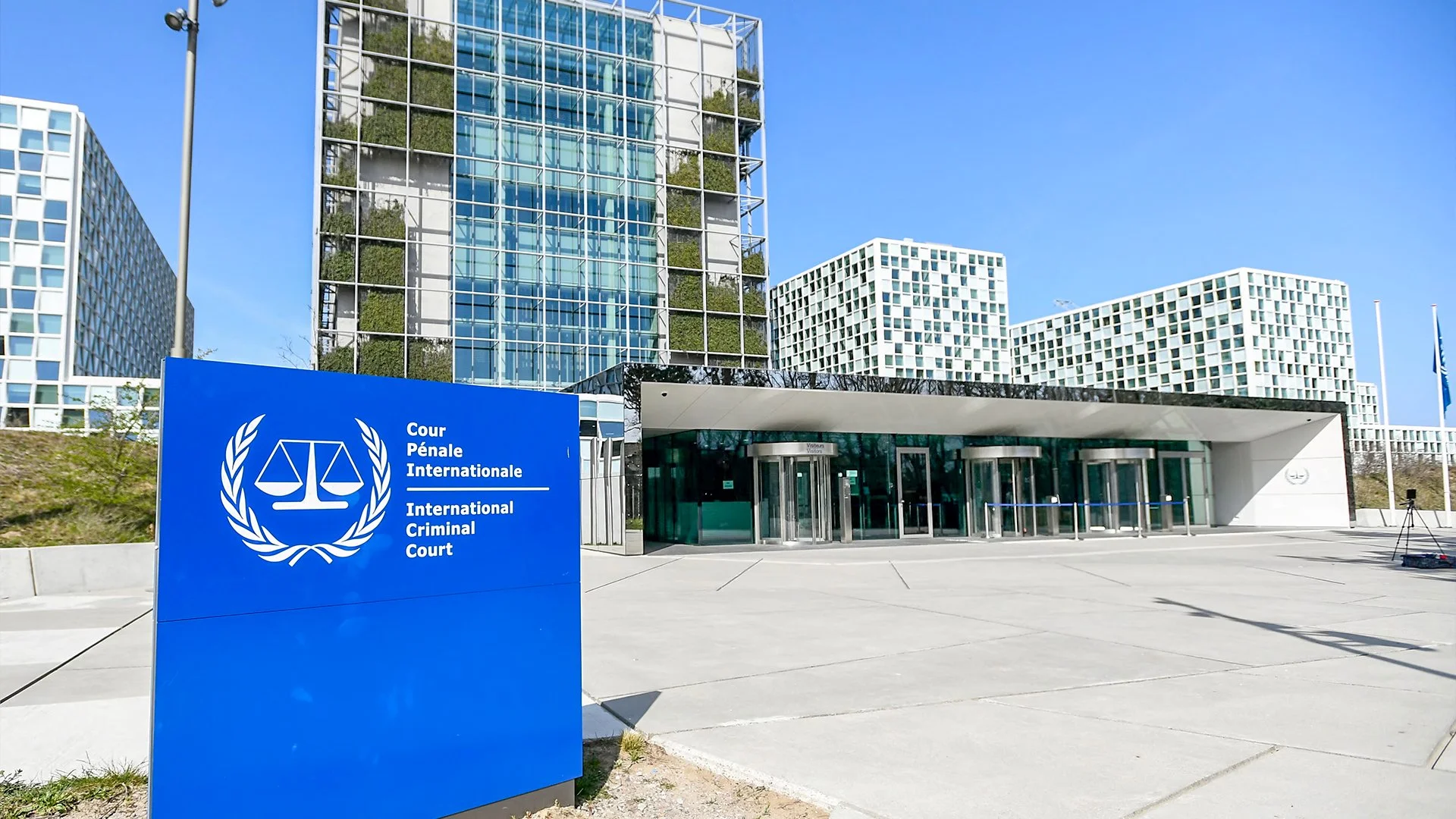
Philippines and ICC Jurisdiction
Although the Philippines officially withdrew from the Rome Statute on March 17, 2019, the country maintains that it has jurisdiction over alleged crimes committed while it was a state party—from November 1, 2011, to March 16, 2019.
This context is important in understanding the legal framework surrounding any potential ICC action against Dela Rosa, who served as the Philippine National Police chief during the Duterte administration’s war on drugs.
Crispin Remulla Confirms Warrant, Counsel Urges Caution
Ombudsman Jesus Crispin Remulla said in a radio interview that an ICC arrest warrant had been issued for Dela Rosa. However, Dela Rosa’s legal counsel, Israelito Torreon, cautioned the public in a social media statement:
“At this point, we do not have independent confirmation as to whether or not this information is accurate.”
The counsel emphasized the need for verified information from competent authorities before making conclusions about enforcement or implications for Dela Rosa.


Senate Protections Remain in Place
Senate President Vicente Sotto III reiterated that no senator may be arrested within the Senate premises, citing institutional dignity and courtesy. This parliamentary privilege ensures that legislative operations are not disrupted, though senators remain subject to the law outside the chamber.
Malacañang: No Official Confirmation Yet
Malacañang confirmed on Saturday that it has not yet received official confirmation of an ICC warrant for Dela Rosa. Executive Secretary Lucas Bersamin clarified that even if a warrant exists, it has yet to be transmitted through the International Criminal Police Organization (Interpol) for enforcement:
“Remember that ICC might have issued, but might not have yet coursed the service through Interpol,” he said.
This highlights the procedural steps involved in international law enforcement and the need for proper channels before any action can be executed.
Bottom Line: Monitoring Legal Developments
While reports of an ICC warrant against Dela Rosa circulate, no official confirmation has been received by the DFA, Malacañang, or Senate authorities. Legal experts stress that any enforcement must follow proper channels, including potential Interpol transmission, and that parliamentary protections remain in effect within the Senate.
For citizens and observers, staying informed about these developments is crucial, especially given their implications for the Philippines’ legal and political landscape.
Stay Ahead of Market-Relevant News
Political and legal developments, like international warrants or Senate protections, can influence Forex markets, including USD/PHP and other currency pairs. Join our FREE Forex Workshop at GME Academy to track these developments, learn Forex trading for beginners, and turn geopolitical and domestic events into actionable trading insights.
