

Pangilinan Urges Fast Release of Rice Tariff Rules to Protect Filipino Farmers and Food Security
Senator Francis Pangilinan is calling on economic managers to swiftly finalize the new rice tariff-setting guidelines and release the remaining PHP13 billion in the Rice Competitiveness Enhancement Fund (RCEF), warning that delays are already affecting farmers’ preparations for the next planting season.
In a statement on Tuesday, Pangilinan highlighted that economic managers had previously committed to issue the revised rice tariff rules in the first week of December. With the planting season for the February–March harvest approaching, any further delay could heighten uncertainty for farmers across the country.
“Huwag natin paghintayin ang mga magpapalay. Huwag maligaw sa burukrasya ang bagong rice tariff-setting guidelines at ang natitirang unreleased PHP13 billion in RCEF funds,” he said. “Let us not keep our rice farmers waiting. The new tariff-setting guidelines and remaining RCEF funds should not get lost in bureaucracy.”
Why Timely Tariff Rules Matter
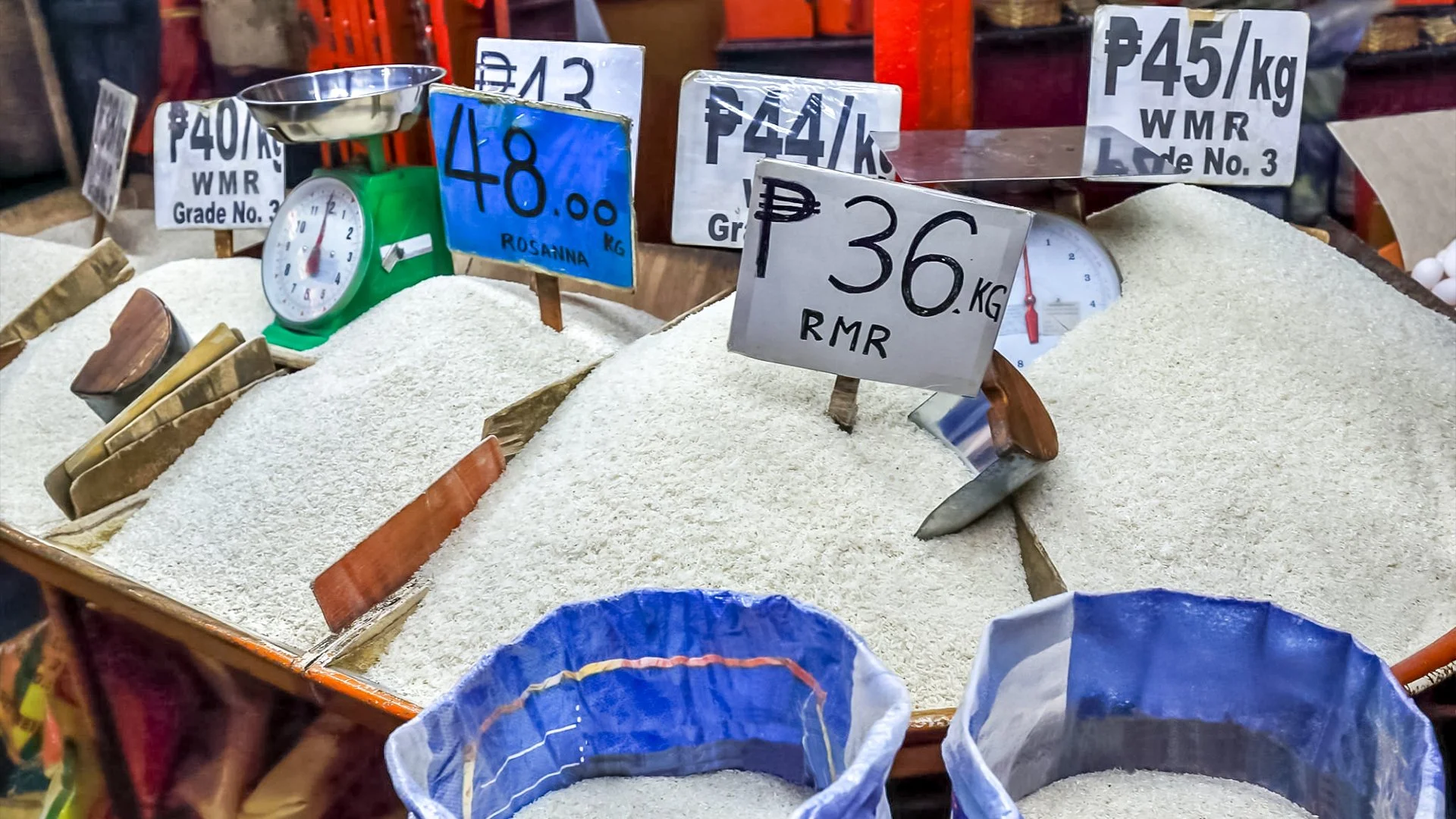
Rice is a staple food for millions of Filipinos, and fluctuations in global prices directly affect local markets. Pangilinan stressed that world rice prices shift rapidly, making timely tariff adjustments crucial to ensure affordable rice for Filipino families and stable incomes for farmers.
“Real-time ang pagbabago ng world rice prices, sana real-time din adjustment sa taripa. O near real-time,” he said, emphasizing that tariff policies need to keep pace with international market movements.
Without clear guidelines, local farmers are left unsure how much they can expect to sell their produce for, complicating decisions about planting, harvesting, and selling. Uncertainty in tariffs can lead to lower production and higher prices for consumers, directly affecting household budgets nationwide. Farmers may delay planting or underinvest in their crops due to unclear market conditions, which could result in reduced supply when rice is most needed.
Moreover, delays in issuing tariff rules can ripple through the supply chain. Traders, transporters, and rice millers rely on stable pricing expectations to plan purchases, logistics, and storage. When tariffs remain uncertain, market actors hesitate, creating bottlenecks that can drive up retail rice prices.
RCEF Funds Still Unreleased
Pangilinan also flagged the unreleased PHP13 billion in RCEF resources, particularly allocations for seeds. Farmers have already begun preparing their fields, but delayed seed distribution could result in missed planting windows, lower yields, and lost income.
“Delayed seeds mean missed planting windows, lower yields, and lost income,” he said. “It also stalls key interventions like mechanization support, hauling trucks, drying facilities, and training for farmers.”
The RCEF was designed to boost productivity and help Filipino rice farmers become more competitive. Timely release of funds is essential not only for seeds but also for critical programs like equipment support and training for 18,000 farmers nationwide. For many smallholder farmers, missing the window to access these programs can have cascading effects on crop quality, farm income, and long-term sustainability.
Call to Action for Government Agencies
Pangilinan urged the Department of Finance, Department of Economy, Planning, and Development, and the Department of Agriculture to expedite the tariff guidelines. He also called on the Department of Budget and Management to release the full RCEF balance immediately, prioritizing seed distribution before planting windows close.
For Filipino farmers, timely decisions on tariffs and funding are not just bureaucratic matters—they directly affect their livelihoods and the nation’s rice supply. For ordinary citizens, these measures influence rice prices in local markets, which remain a critical component of household expenses. Families across the country rely on rice as a main staple, and any spike in prices due to delayed policies could disproportionately affect low- and middle-income households.


A Call to Protect Farmers and Food Security
Ultimately, the timely release of rice tariff rules and the remaining RCEF funds is not just about policy compliance—it is about safeguarding the livelihoods of Filipino farmers, ensuring the stability of the nation’s rice supply, and protecting families from sudden spikes in food prices. Every delayed decision translates into uncertainty for those who feed the nation. By acting swiftly and decisively, the government can reinforce trust in public institutions, support the backbone of Philippine agriculture, and secure food security for millions of households across the country.
Filipino farmers and families deserve nothing less than prompt action and clear guidance—because the nation’s well-being depends on it. The upcoming planting season represents a critical moment: if seeds, support, and clear tariff rules are not provided on time, both production and food prices may suffer. By prioritizing the swift release of guidelines and RCEF funds, the government can empower farmers to make informed decisions, maximize harvests, and ultimately ensure that every Filipino household has access to affordable rice.
