

PBBM Rejects Resignation Calls: Why Stability and Accountability Matter to Filipinos
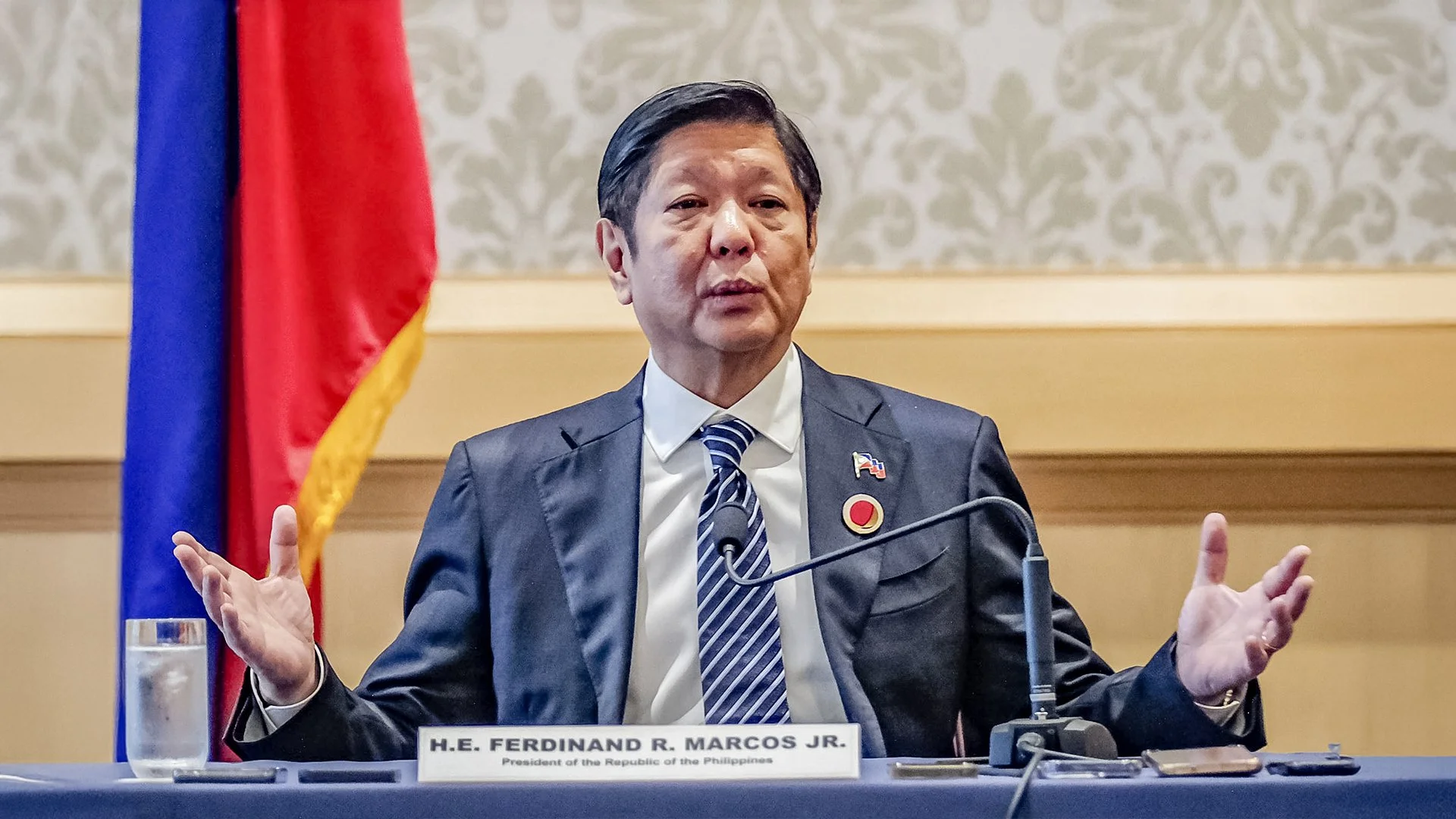
President Ferdinand “Bongbong” Marcos Jr. is “focused on working for the country,” Malacañang said Tuesday, dismissing circulating calls for his resignation as “noise” aimed at distracting the public from ongoing corruption investigations.
The clarification came from Palace Press Officer Claire Castro, who stressed that despite rallies, political accusations, and intensifying tensions in recent days, the President has no intention of stepping down. Instead, she emphasized, he is continuing to address the country’s challenges — including the very flood control anomaly at the center of the controversy.
But beyond the political spectacle, ordinary Filipinos are asking: Why is this happening, who benefits, and why does this matter to us?
Malacañang: “Resignation Is Not an Option”
Castro was direct: calls for the President to step down are being pushed by “propagandists and destabilizers” who, she said, are attempting to twist the central issue — alleged corruption in flood control projects — by redirecting the narrative toward the President himself.
According to her, those who may have benefited from anomalies are the ones who could gain the most if leadership changes now.
“Kapag nawala ang Pangulo sa puwesto… magiging maligaya ang mga sangkot. Can the next leadership continue his fight against corruption?” she asked.
Pro-Marcos groups and some political allies echo this sentiment, saying a leadership vacuum could stall investigations and weaken anti-corruption reforms.
At a recent rally at Liwasang Bonifacio, groups — including supporters of the Duterte family — called for the President’s ouster. The rally was amplified by accusations from former Rep. Zaldy Co, who claimed Marcos Jr. received kickbacks from budget insertions for public works projects.
Malacañang has denied these allegations as “baseless” and challenged Co to prove them under oath — something the Palace says he still has not done.
Why the Flood Control Issue Is at the Center of the Tension
Political clashes are nothing new in the Philippines, but the current wave of calls for resignation stems from a deeper issue: an alleged corruption scheme involving flood control projects.
The tension intensified when high-ranking officials — including Executive Secretary Lucas Bersamin and Budget Secretary Amenah Pangandaman — resigned “out of delicadeza” after their offices were mentioned in the investigations.
While critics say these resignations imply deeper involvement, the administration maintains they are acts of responsibility, allowing an impartial investigation to proceed.
Castro doubled down on that narrative and argued that removing the President would only benefit those truly involved in anomalies, not the Filipino public.
Why Should Ordinary Filipinos Care?
Political noise is often treated like background static — something many Filipinos tune out of. But this issue has direct consequences on daily life.
1. Stability matters for the economy
Leadership uncertainty affects investor confidence, currency movements, and the country’s long-term economic planning. With inflation still an issue and job recovery uneven, sudden political instability can worsen economic pressures.
2. Corruption in flood control affects communities
Flooding isn’t abstract — it destroys homes, shuts down businesses, and puts Filipino lives at risk. If public funds intended for protection are mishandled, communities suffer directly.
This makes accountability essential, regardless of political party.
3. Government focus cannot be diverted
Whether or not one supports the administration, the Philippines is entering a period that demands focused leadership:
rising food prices,
disaster recovery efforts,
and preparations for the 2026 budget.
Petty political wars delay progress.
4. Filipinos deserve transparency
Marcos Jr. choosing to stay in position means investigations must continue aggressively. If he stays, the burden is on the administration to prove that it will hold every involved official accountable — no exceptions.
What matters most is ensuring that the truth comes out, not who benefits politically.


So, Where Does This Leave Us?
The Palace insists: “The President is still working. Resignation is not an option.”
For Filipinos, the bigger question is not whether Marcos resigns, but whether the government will confront corruption head-on — no matter whose names appear in the investigation.
As political noise gets louder, citizens must stay alert, informed, and critical. Leadership stability is important, yes — but accountability is equally essential.
In the end, what the public needs is not a change in power, but a change in how power is used: responsibly, transparently, and in service of the people.
