

Philippine Banks' Bad Debt Ratio Hits 2-Month High: A Forex Stress Signal
The Philippine banking sector's asset quality has weakened, with the Non-Performing Loan (NPL) ratio reaching 3.33% of total loans in October. This measure, which includes loans overdue by at least 90 days and at high risk of default, is a crucial indicator of financial stress and is closely watched by institutions seeking Global Markets Eruditio.
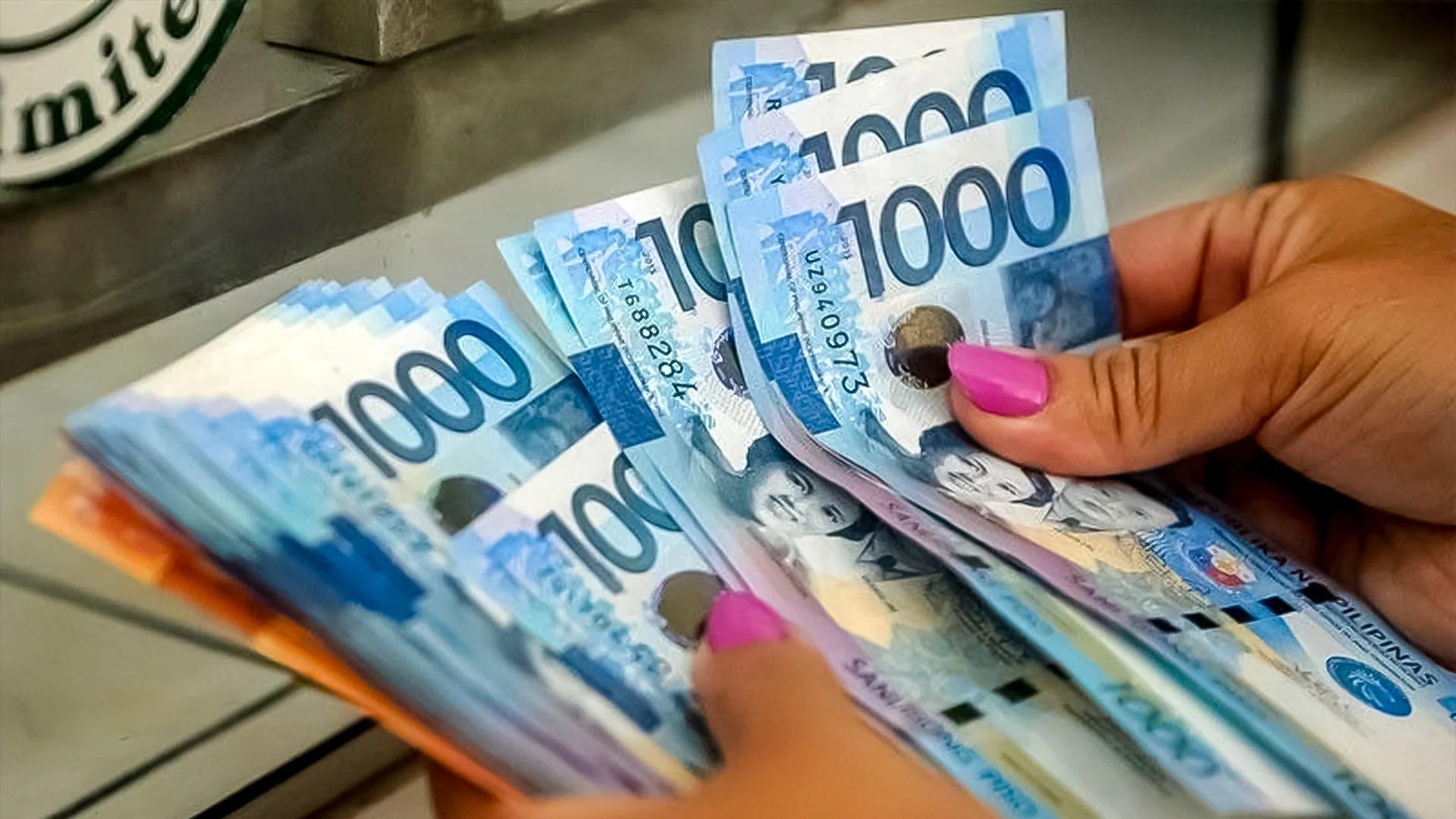
In peso terms, the industry's volume of soured loans amounted to approximately P537 billion, putting pressure on banks and raising questions about the pace and sustainability of the country's economic recovery.
Why the Bad Debt Ratio is Creeping Up
The uptick in the bad-debt ratio stems from a combination of persistent economic headwinds that have made debt servicing increasingly difficult for both retail consumers and businesses.
1. Elevated and Sticky Borrowing Costs
Despite a significant easing cycle from the Bangko Sentral ng Pilipinas (BSP), overall lending rates remain stubbornly high.
The stickiness of average bank lending rates means that the cost of debt for borrowers has not decreased as quickly as the policy rate cuts intended. High interest expenses continuously erode the ability of households and Micro, Small, and Medium Enterprises (MSMEs) to meet their obligations on time.
This is a fundamental drag on consumption and investment, which are critical to reducing the loan-to-GDP ratio.
2. Environmental and Income Shocks
Analysts specifically point to the compounding effects of recent natural calamities, such as a run of storms that affected the Philippines in the months leading up to October.
These severe weather events led to disrupted livelihoods, income losses, and reduced business days, particularly for borrowers in the agricultural and small business sectors.
These shocks immediately translate into a reduced capacity for borrowers to repay, pushing otherwise healthy loans into the Non-Performing category.
3. Slower Loan Portfolio Growth
The ratio itself is calculated by dividing the volume of NPLs by the Total Loan Portfolio (TLP). Data shows that credit growth among big banks slowed in October, hitting a 16-month low.
When the TLP (the denominator) slows down, even a steady or slightly higher volume of bad loans (the numerator) will cause the NPL ratio to rise more sharply.
This slower lending reflects a cautious approach from banks amid subdued borrower sentiment and still elevated borrowing costs.


The Forex Trading View: Pressure on the PHP
For Forex Trading for Beginners, bank asset quality is a direct input into the fundamental health of a currency. A rising NPL ratio signals structural weakness that can put a ceiling on the strength of the Philippine Peso (PHP).
1. The Financial Stability Concern
The primary role of the BSP is to maintain financial stability. While Philippine banks are generally well-capitalized (they've set aside a high NPL coverage ratio of about 94.65%), a sustained rise in bad debt forces banks to set aside more loan loss provisions.
This reduces the capital available for new lending and investment, dampening economic growth. Slower growth, in turn, is bearish for the PHP against the USD ($\text{USD}/\text{PHP}$), as it limits the attractiveness of the economy to foreign investors.
2. The Monetary Policy Dilemma
The rising NPL ratio creates a complex challenge for the BSP's Monetary Board, which is widely expected to continue its easing cycle.
Pro-Cut Argument: Rate cuts are seen as necessary to lower borrowing costs and aid distressed borrowers, improving their ability to service debt and thus eventually lowering the NPL ratio.
Cautionary Argument: Cutting rates too aggressively could weaken the PHP (via a lower interest rate differential) and potentially fuel risky lending in the future.
The central bank is walking a tightrope: balancing the need to support the economy and asset quality with the imperative to manage inflation and the PHP's external value.
Smart Money Concepts in Banking
The rise in the bad-debt ratio is an institutional footprint—a signal that the economic pressures on the average Filipino are intensifying. For traders utilizing Smart Money Concepts (SMC), this is a clear sign that fundamental risk is building within the financial system. We must look beyond the official GDP figures and focus on the health of the banking sector to gauge the true resilience of the economy.
The market will closely monitor the BSP’s next steps. Any policy action must be strong enough to reduce borrowing costs and counteract the debt strain, or the PHP will likely continue to trade with a risk premium built into its value.
Are You Trading the True Health of the Philippine Economy?
Macroeconomic indicators like the NPL ratio offer crucial insights into the fundamental drivers of the Philippine Peso. Don't let these structural signals catch you off guard.
Master the art of incorporating financial stability metrics into your currency analysis.
Join the GME Academy community today and sign up for our FREE Forex Workshop to learn how to translate banking data and central bank dilemmas into high-probability Forex Trading strategies, securing a comprehensive understanding of the forces that move the market.
