

The P13.5M Question: Why a Tissue Paper Scandal is a Forex Lesson
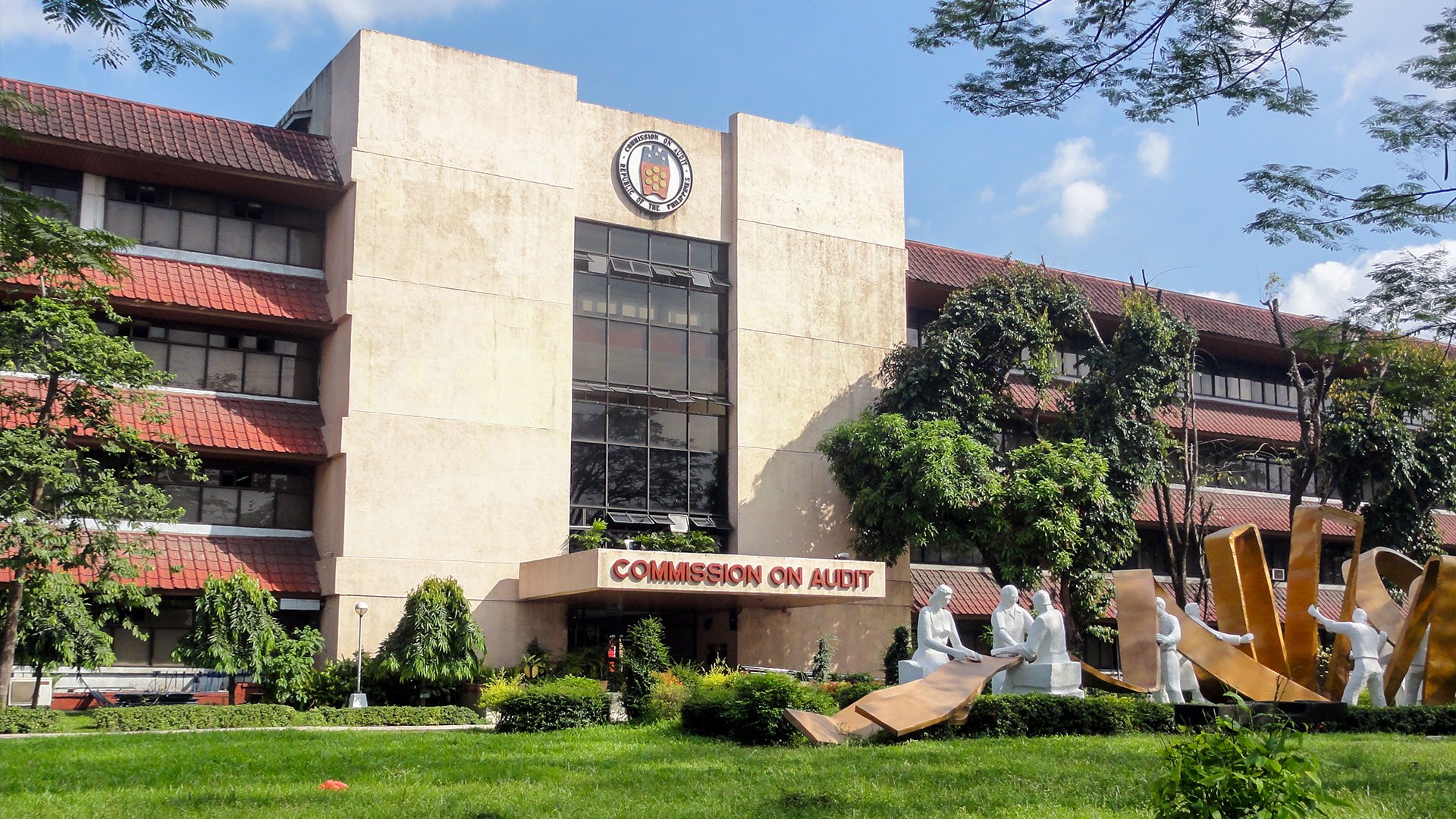
The latest audit report from the Commission on Audit (COA) reveals an alarming instance of gross procurement mismanagement within the Social Security System (SSS). State auditors flagged the SSS for purchasing 143,424 rolls of tissue paper valued at approximately P13.5 million ($230,000 USD) in a transaction criticized for showing signs of poor planning and overstocking. The volume procured reportedly went far beyond the agency's two months' worth of supply and could not even fit into its existing storage facilities.
While the number P13.5 million might seem small compared to massive infrastructure projects, the nature of the finding is crucial: it exposes a systemic issue in public finance—misallocation and inefficiency—that erodes the very foundations of economic confidence.
The Erosion of Trust: Beyond the Roll of Paper
For the average citizen and the discerning Forex Trader, this incident is not about wiping supplies; it is about the institutional footprint and the integrity of the nation's financial mechanisms.
1. Inefficient Capital Allocation: The Real Cost
The SSS is the custodian of millions of Filipinos' retirement and social welfare funds. Every peso wasted or tied up in excessive inventory is a peso not generating returns for its members or being deployed efficiently into the economy.
The Opportunity Cost: That P13.5 million could have been used for investment, systems modernization, or essential services. Instead, it is frozen in an overstock of tissue paper, highlighting a failure of fiscal discipline. This perpetual lack of prudence signals to international investors that capital is not being managed optimally within the system.
2. The Integrity Premium in Forex Trading
For institutions focused on Global Markets Eruditio (GME Academy), the risk of doing business in a country is often quantified as the "Integrity Premium" or "Corruption Discount."
Weakening the PHP: When audit findings consistently expose overpricing, poor planning, or potential corruption in government procurement (even on common supplies), it reduces the institutional quality score of the country. This lowers the long-term confidence in the Philippine Peso. Traders looking at USD/PHP will assign a higher risk premium to the PHP, maintaining a weaker long-term outlook because a percentage of state spending is perpetually lost to inefficiency.
The Investment Barrier: Global investors value transparency. When funds are flagged for being tied up in unnecessarily large, suspicious purchases, it creates a lack of transparency and predictability. This deters Foreign Direct Investment (FDI), reducing the stable inflow of US Dollars that the country needs to sustain the PHP's strength.
Awaken the Mind: The Smart Money Concepts (SMC) Analogy
This scandal serves as a perfect analogy for the philosophy behind Smart Money Concepts (SMC) in Forex Trading for Beginners.
In SMC, retail traders are taught to avoid following the obvious moves (Liquidity) and instead track the institutional footprint. In this context:
The Retail Mindset: The average person might focus only on the ridiculous quantity or the high price-per-roll.
The Institutional Mindset: The informed observer looks deeper—they ask why the money was moved this way. This procurement is a footprint showing where institutional failure (poor planning, lack of checks and balances) occurred.
Just as a professional trader avoids zones where Smart Money hunts retail stop-losses, a savvy investor avoids placing large capital bets in economies where systemic weaknesses, like this procurement fiasco, are recurrent. You must analyze the structural integrity (governance) to predict the price action (currency stability).
Demand Accountability, Demand Stability
The COA's finding on the SSS's tissue paper procurement is a powerful reminder that every leak in public funds—no matter how mundane the item—contributes to the overall lack of fiscal discipline that weighs on the nation's economic potential.
For those engaging in Forex Trading, these domestic governance issues are fundamental risks that dictate whether the PHP is deemed a safe asset. We must demand rigorous accountability and effective use of public funds not only for social justice but also for macroeconomic stability.
Are You Trading Based on Institutional Integrity?
Understanding how governance and public finance transparency affect the PHP is as crucial as analyzing charts. The stability of the Philippine Peso is tied to the confidence in its institutions.
Elevate your analysis from basic economics to institutional integrity.
Join the GME Academy community today and sign up for our FREE Forex Workshop to learn how to incorporate national governance quality into your fundamental analysis and achieve true Global Markets Eruditio.
