

Will the Peso Hit 60? The Economic "Tug-of-War" Behind the Latest Record Low
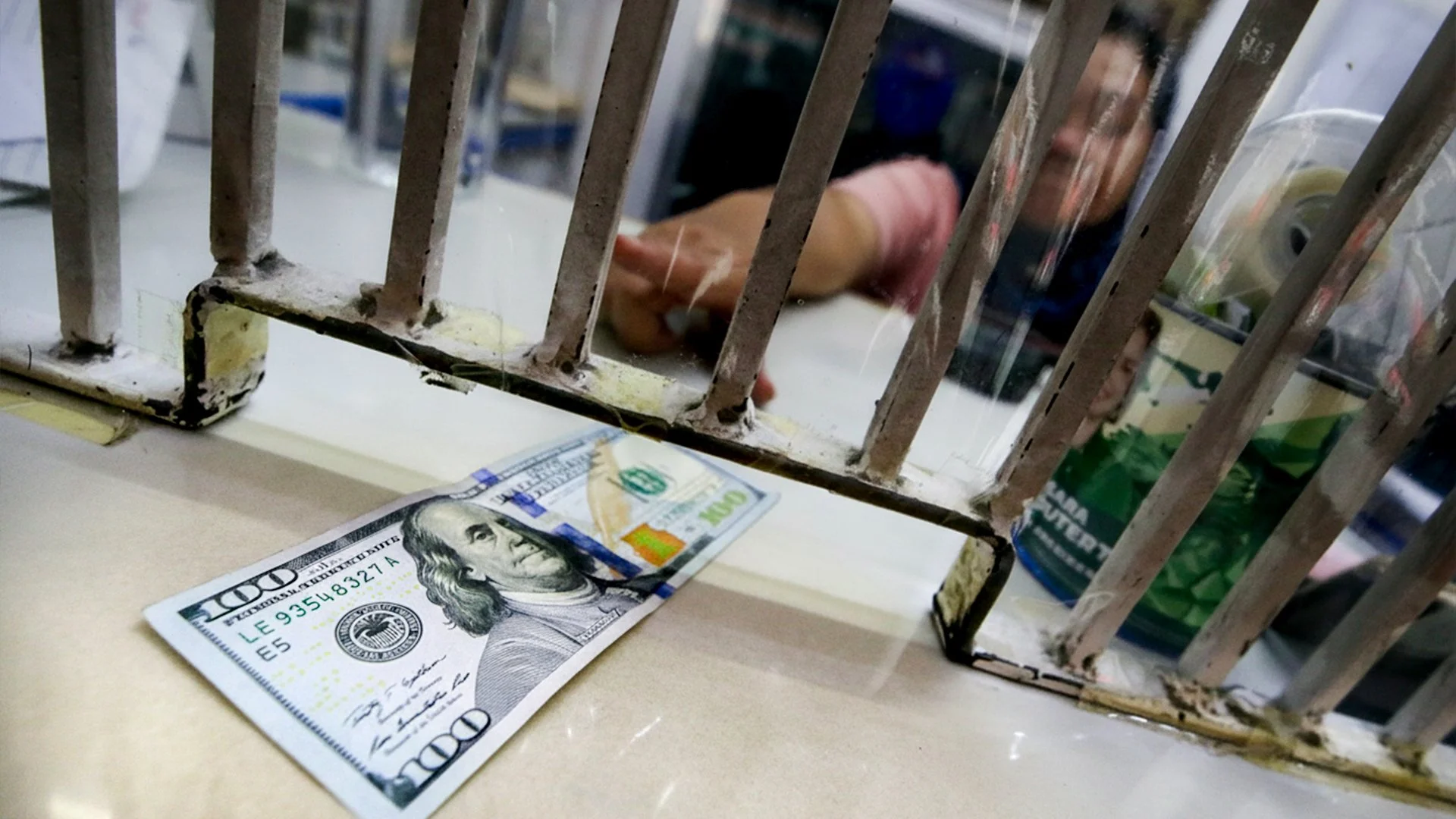
The Philippine Peso found itself in a precarious "flirtation" with a historic milestone on Wednesday morning, as it tested a new record low of 59.425 against the US Dollar (USD). For many in the financial community, this wasn't just another day of trading; it was a signal of the immense pressure currently weighing on emerging market currencies.
At Global Markets Eruditio, we often tell our students that the market is a mirror of global expectations. Today, that mirror is reflecting a resilient American economy and a cautious Federal Reserve, creating a challenging environment for the local currency.
A Morning of Pressure: Breaking the 59.425 Level
The trading session on Wednesday began with an air of tension. The local currency opened at 59.38, already teetering near the previous record-low finish of 59.355 established just a week prior on January 7. As the morning trade progressed, the Peso dipped further, posting an intraday low of 59.425.
This movement represents more than just a decimal shift; it is a test of a major psychological barrier. In Forex trading, record lows often act as magnets for further volatility, as traders speculate on whether the central bank will intervene or if the currency will continue its slide toward the 60.00 mark.
The Inflation Anchor: Why "Steady" US Data is a Catalyst for the Dollar
The primary driver behind this latest USD rebound was the release of fresh US inflation data. The Consumer Price Index (CPI) rose 2.7% in December, which was exactly in line with market expectations and unchanged from the November reading.
While "unchanged" might sound neutral, in the world of Forex, it was a "green light" for Dollar bulls. The steady inflation rate reinforced the belief that the Federal Reserve will keep interest rates at their current restrictive levels during its meeting later this month. Despite political pressure from the White House for more aggressive cuts, the Fed’s focus remains on ensuring inflation is firmly on a path toward its 2% target.
For those just starting with Forex trading for beginners, this is a classic example of interest rate parity. When the US maintains high rates while other economies signal potential easing, capital flows toward the US Dollar to capture better yields, inevitably weakening currencies like the Peso.
The Ripple Effect: From the Peso to EUR/USD and Beyond
The strength of the greenback isn't felt by the Peso alone. When we look at cross-economy news, the rebound of the US Dollar sent ripples across the major pairs. The EUR/USD, the most traded pair in the world, saw similar downward pressure as the Euro struggled to compete with the high-yielding Dollar.
Similarly, the Canadian Dollar (CAD) often moves based on single-economy news like oil prices and domestic CPI, but today it was the "Big Brother" in Washington dictating the pace. Even highly volatile "crosses" like the GBP/JPY felt the indirect impact as global liquidity shifted in response to the Fed’s likely stance.


Forex Trading for Beginners: Why Psychological Barriers Matter
One of the core lessons we teach at GME Academy is the power of psychological levels. The number 60.00 is currently looming large over the Philippine market. When a currency approaches such a round number, it often triggers a flurry of activity:
Stop-Losses: Traders who bet against the USD may have their "exit" orders clustered just above 59.50.
Speculation: Aggressive traders might "front-run" the 60.00 level, buying now in hopes of a quick profit.
Central Bank Intervention: The Bangko Sentral ng Pilipinas (BSP) may step in to provide "liquidity" and prevent a chaotic breach of the 60 mark.
Understanding these dynamics is crucial for anyone pursuing Forex education. You aren't just trading numbers; you are trading human behavior and institutional policy.
Navigating High-Volatility Environments
The Peso’s test of 59.425 is a reminder that the Forex market is never static. Whether you are watching the USD, the CAD, or the volatile swings of the GBP/JPY, the ability to interpret fundamental data like the US CPI is what separates successful traders from the rest.
The question remains: will the Peso find its footing, or is the march to 60 inevitable? In this high-stakes environment, the best asset you can have isn't a large account balance—it's a solid education.
Master the Markets Before They Master You
Don't let the charts intimidate you. Whether the Peso is at 50 or 60, there is always opportunity for those who know how to read the signals.
Join our FREE Forex Workshop this week! Our experts at Global Markets Eruditio will break down the latest global trends and show you how to trade with confidence.
