

The P14 Trillion Question: Is Bank Lending Still a Safe Harbor Amidst Market Turbulence?
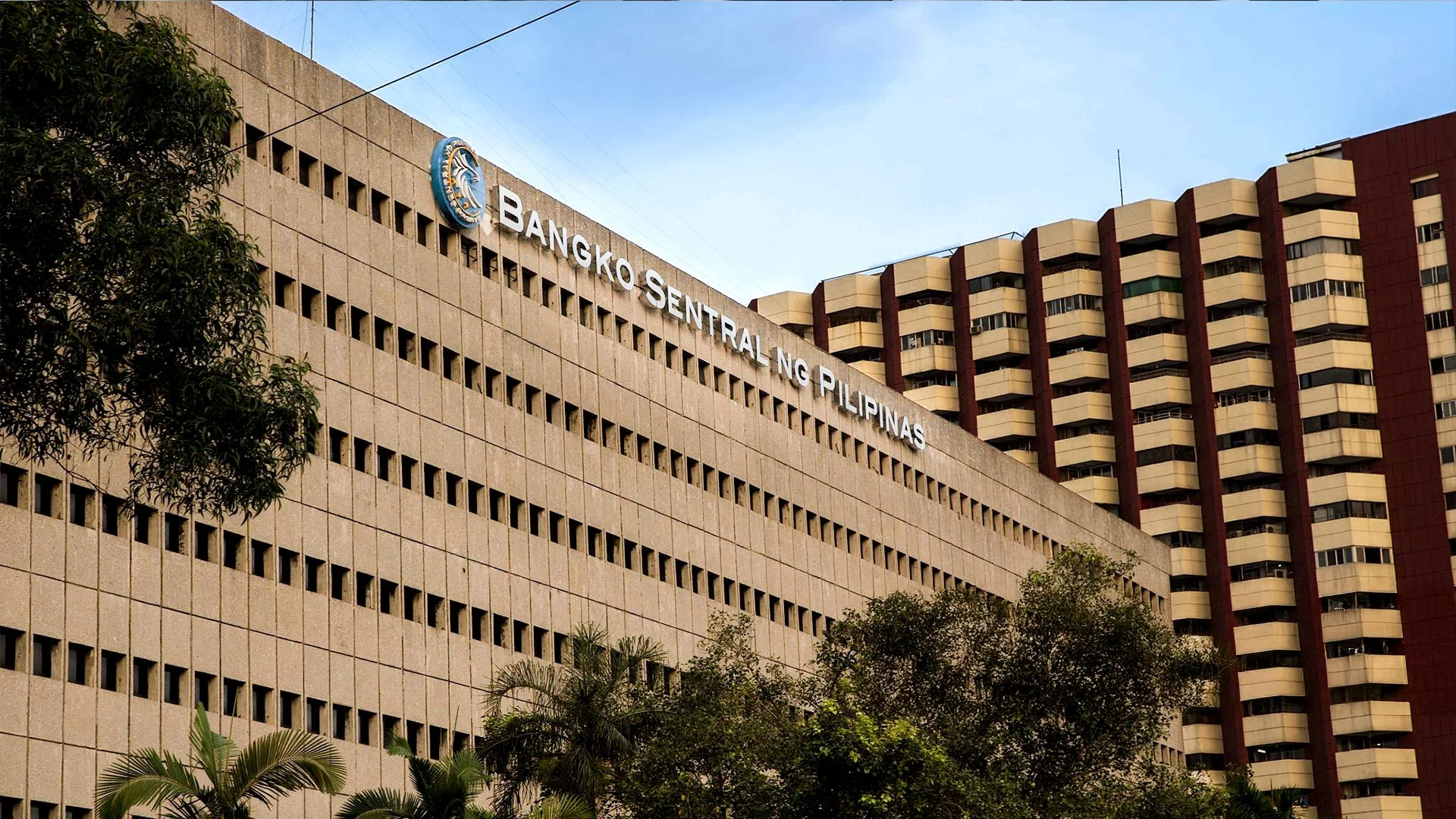
The financial world is often a study in contradictions. In November 2025, the Philippine banking sector provided a textbook example of this phenomenon. Despite a deepening corruption scandal that sent shockwaves through national confidence, preliminary data from the Bangko Sentral ng Pilipinas (BSP) revealed that bank lending maintained a steady, albeit "flattening," growth pace of 10.3 percent.
For those involved in Forex trading, these domestic credit figures are more than just local news—they are vital indicators of economic health that eventually dictate the strength of the currency against majors like the US Dollar (USD). At Global Markets Eruditio, we believe that understanding the intersection of credit growth and market sentiment is what separates a novice from a seasoned professional.
Steady at the Helm: Breaking Down the P14 Trillion Milestone
Total outstanding loans at major banks reached a staggering P14 trillion in November. While a 10.3 percent year-on-year increase matches the pace seen in October, the underlying story is one of caution. In the world of Forex trading for beginners, steady growth is usually seen as a sign of stability, but when that growth begins to "flatten," it suggests that the engine of the economy might be losing steam.
When credit growth stalls, it often signals a shift in central bank policy. If the BSP perceives that the "confidence hit" from the ongoing scandal will lead to an economic slowdown, they may be less likely to hike interest rates—a move that directly impacts the Peso's performance against the USD and the Canadian Dollar (CAD).
Business vs. Household: A Tale of Two Borrowers
The November data revealed a slight divergence in how different sectors are reacting to the current climate.
The Business Slowdown
Lending to businesses—the backbone of GDP growth—increased by 9 percent. While still positive, this was a slight deceleration from the 9.1 percent recorded in October. Large-scale enterprises are often the first to "wait and see" when political scandal enters the frame. In Forex, this caution can lead to reduced foreign direct investment, putting downward pressure on the local currency.
2. The Resilient Household
In contrast, household borrowing remained remarkably robust at 22.9 percent, though it did ease slightly from 23.1 percent. This suggests that while corporations are tightening their belts, the individual consumer is still relying heavily on credit for consumption.
The "Confidence Hit": Why Sentiment is a Leading Indicator
The elephant in the room remains the corruption scandal weighing on national confidence. In Forex trading, sentiment is often a leading indicator—meaning the market reacts to how people feel before the actual economic data catches up.
When confidence is hit, the local currency often undergoes "stress testing" against cross-economy pairs. Traders might move their capital away from local assets and into "safe-haven" currencies. For instance, you might see a spike in GBP/JPY as a carry-trade proxy, or a sudden rush into the US Dollar as a protective measure. At GME Academy, we teach our students that political risk is a fundamental pillar of any comprehensive trading strategy.

Why Beginners Should Watch Bank Lending
If you are just starting your journey in Forex trading for beginners, you might wonder why bank lending in November matters to you. The logic is simple:
Inflation Connection: High lending growth often leads to higher inflation.
Interest Rate Expectations: To combat inflation, central banks raise rates.
Currency Valuation: Higher interest rates typically strengthen a currency.
By tracking whether bank lending is growing or shrinking, you are essentially getting a "sneak peek" at the central bank's next move. This is the same logic used when analyzing the EUR/USD; traders look at the European Central Bank's credit data to predict the Euro's next major swing.
Building a Professional Framework with GME Academy
Navigating the complexities of credit cycles and political scandals requires more than just a chart; it requires a disciplined educational foundation. The flattening growth in November is a signal to be vigilant. Whether you are looking at the Canadian Dollar (CAD) for commodity-linked trades or the USD for global stability, your strategy must account for these domestic shifts.
At Global Markets Eruditio, we specialize in breaking down these complex economic reports into actionable trading insights. We don't just teach you how to read a candle; we teach you how to read the world.
Take Control of Your Financial Future
Is the flattening credit growth a sign of a looming downturn, or just a temporary pause in a larger bull run? Don't leave your trading results to chance or "gut feelings."
Join our FREE Forex Workshop this week! Learn how to integrate fundamental data like bank lending and consumer confidence into a winning trading plan.
