

The Takaichi Mandate: A High-Stakes Gamble for Japan’s Economic Future
In a bold move that has sent shockwaves through the Global Markets, Japanese Prime Minister Sanae Takaichi announced on Monday, January 19, 2026, her intention to dissolve the Lower House and seek a direct mandate from the sovereign people. This snap election, scheduled for February 8, is not merely a political maneuver; it is a referendum on a radical departure from decades of Japanese fiscal conservatism.
Takaichi, Japan’s first female premier, is stepping out from the "shackles of excessive austerity." Her message to the electorate—and to the world—is clear: the era of tight fiscal policy is over. In its place, she proposes an era of "strategic fiscal spending" designed to ignite a virtuous cycle of job creation, rising household incomes, and ultimately, higher tax revenues.
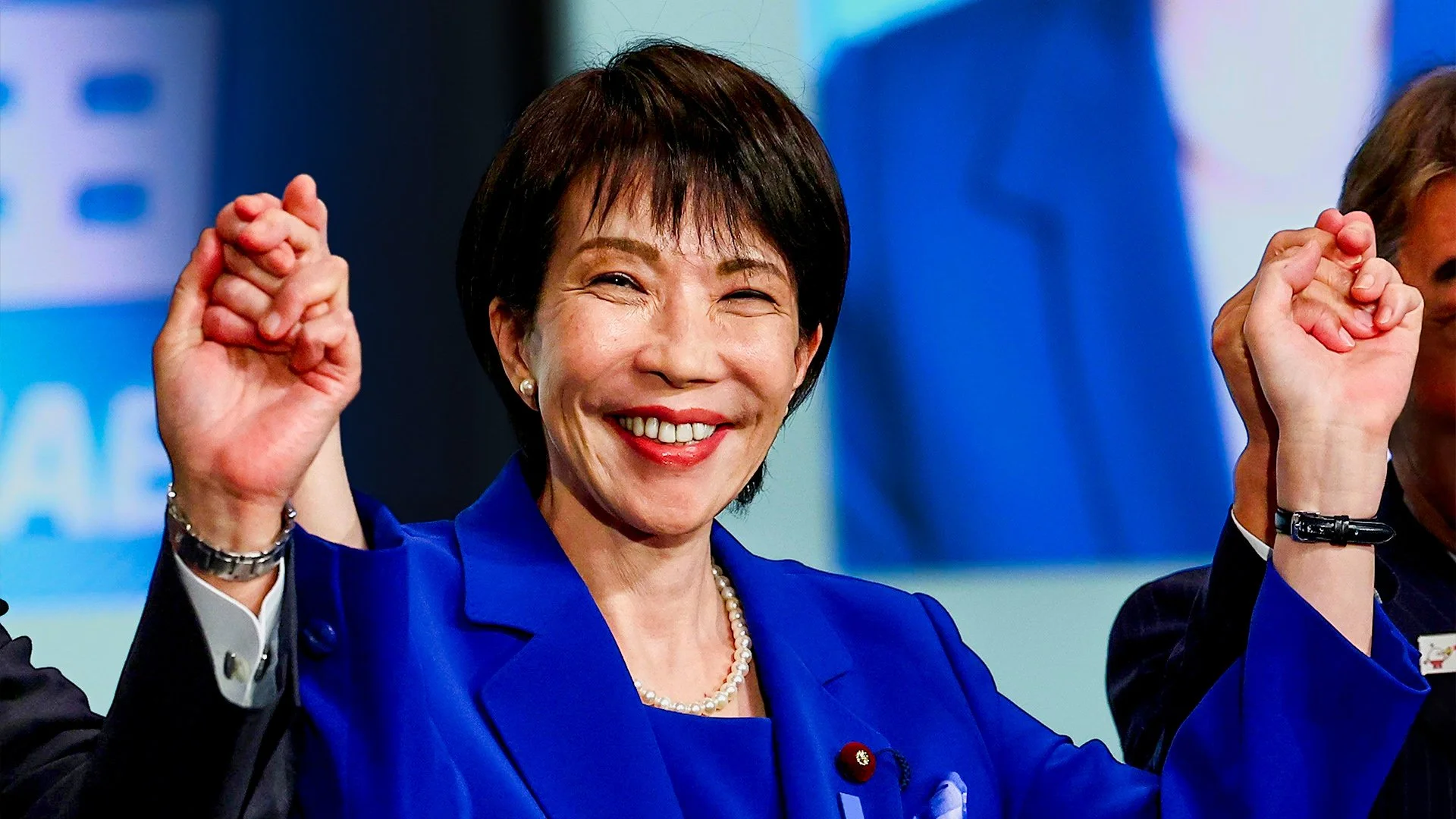
Breaking the Austerity Loop
For years, the Japanese Yen (JPY) and Japan’s bond markets have been defined by a cautious, defensive posture. Takaichi’s administration, however, is betting that bold investment is the only way to manage risk in a "severe and complex" security environment.
"My administration will put an end to excessively tight fiscal policy," Takaichi declared during her press conference. "No one will help a country that can't help itself."
The cornerstone of her platform includes:
Suspension of Food Sales Tax: A plan to scrap the 8% levy on food for two years to combat persistent inflation.
Defense Strengthening: A fundamental reinforcement of defense policy, funded not through austerity but through growth.
Debt-to-GDP Focus: A pivot toward ensuring fiscal sustainability by growing the economy faster than the debt, rather than merely cutting spending.
The Forex Impact: Trading the "Takaichi Shift"
For those exploring Forex trading for beginners, Japan’s political shift is a prime example of how domestic policy drives international currency value. The Japanese Yen is traditionally a "safe-haven" currency, but Takaichi’s expansionary stance introduces new variables.
When a government increases spending and cuts taxes, it often leads to higher inflation expectations. While Takaichi acknowledges that food inflation will likely remain high, her proposed tax cuts are designed to cushion the blow to households. For traders, this means keeping a close eye on the USD/JPY and EUR/JPY pairs. If the market perceives her "pro-growth" policies as a threat to fiscal health, the Yen may weaken. Conversely, if her strategy successfully revitalizes the Japanese economy, we could see a long-term strengthening of the Yen as Japan moves away from its deflationary past.
GME Academy: Navigating Institutional Volatility
At GME Academy, we analyze these political developments as "macroeconomic catalysts." The surge in Japanese government bond yields to multi-year highs following Takaichi’s announcement is a signal that the Global Markets are paying attention.
Understanding the "why" behind these market moves is essential. Whether you are trading the US Dollar, the British Pound, or the Japanese Yen, you must understand the underlying fiscal philosophy of the nation. Takaichi is moving away from the "extra budget" culture of the past, aiming for a more transparent and structured fiscal state. This transparency is something we champion at the GME Academy, as it allows traders to make decisions based on data rather than speculation.


The Risks of "Going Bold"
Critics of the Takaichi plan warn that a 5-trillion-yen tax cut could leave a significant hole in government revenue. The risk is that if growth does not materialize as expected, Japan's debt—already the highest among advanced economies—could become unmanageable.
However, Takaichi remains undeterred. Her administration is betting that the "test of an election" will provide the political capital needed to push through these ambitious reforms. For the Forex community, the weeks leading up to February 8 will be a period of high volatility and opportunity.
Master the Macro Trends
In the world of Forex trading, knowledge is your most valuable asset. Political shifts in Japan have a ripple effect that touches every corner of the Global Markets, from the US Dollar to the Canadian Dollar.
Are you ready to trade the news with confidence? Don't let global political shifts catch you off guard.
Join our FREE Forex Workshop today and learn how to navigate the complex world of central bank policies and national elections!
