

China’s Surprise Tariff Suspension: A New Chapter in U.S.–China Trade and Forex Dynamics
A Strategic Pause in the Trade War
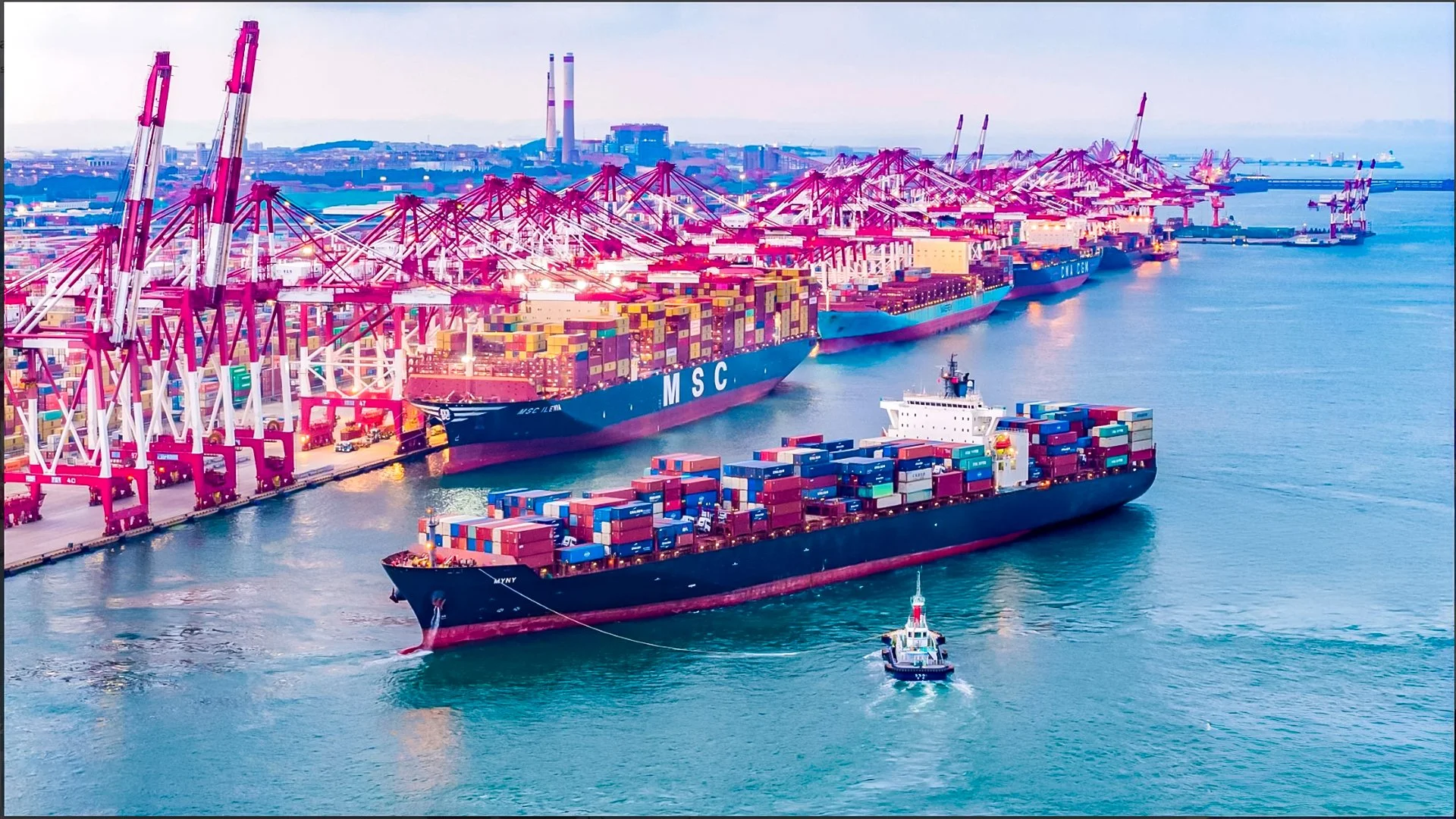
In a move that caught global markets by surprise, China’s Ministry of Finance announced that it will suspend its 24% tariffs on certain U.S. agricultural goods starting November 10 for one year. The decision, while limited in scope, has far-reaching implications for global trade, commodity pricing, and forex trading. Beijing also clarified that it will maintain a 10% tariff on other U.S. imports, signaling a cautious yet calculated approach to stabilizing relations with Washington.
This development comes at a pivotal moment for both economies. The U.S. dollar (USD) has remained resilient amid global uncertainty, while China’s yuan (CNY) continues to be managed within a narrow range as Beijing navigates its economic recovery and export competitiveness.
A Balancing Act Between Policy and Pragmatism
The suspension of tariffs is part of China’s broader economic strategy to manage food inflation, stabilize domestic supply chains, and improve relations with the United States without compromising its negotiating leverage. Agricultural imports—particularly soybeans, wheat, and corn—are essential for China’s food and livestock industries.
By easing tariffs, China aims to secure more affordable imports while sending a message of goodwill ahead of possible future trade dialogues. For the U.S., this is a crucial win for American farmers who have struggled with reduced export access since the 2018–2019 trade tensions.
Economists see the move as a practical, not political, recalibration. “This is less about diplomacy and more about economics,” said a trade analyst at Global Markets Eruditio (GME Academy). “China recognizes that securing food stability and maintaining a balanced trade structure benefits both sides—especially in an era of global uncertainty.”
Market Reactions: How Forex Traders Are Responding
The announcement immediately sparked movement in forex markets, particularly in USD/CNY and commodity-linked currencies such as the AUD/USD and NZD/USD. The Chinese yuan (CNY) strengthened slightly following the news, as investors interpreted the tariff cut as a positive sign for trade stability and overall growth.
Meanwhile, the U.S. dollar (USD) remained steady, supported by safe-haven demand amid broader global risk sentiment. Traders and investors began recalibrating their positions, factoring in potential ripple effects across Asia-Pacific markets.
For those engaged in forex trading for beginners, this situation serves as a real-world example of how trade policy shifts directly impact currency values. When trade barriers ease, import and export flows adjust—affecting demand for each nation’s currency.
Agriculture, Inflation, and Global Implications
China’s decision also reflects internal economic pressures. Food prices have been climbing, and import flexibility can help cushion domestic consumers against inflation. In turn, this policy can ease some strain on the yuan, which benefits from stronger trade inflows.
The move could also ripple across the global commodities and forex markets, influencing demand for other currencies like the Canadian dollar (CAD)—given Canada’s agricultural trade role—and the Australian dollar (AUD), a key player in the Asia-Pacific commodities landscape.
Forex traders may watch related currency pairs closely:
USD/CNY – Directly affected by trade sentiment and Chinese import policy.
AUD/USD – Sensitive to regional trade flows and commodity prices.
USD/CAD – Tied to North American export competitiveness.


The Bigger Picture: Temporary Relief or Long-Term Reset?
While this tariff pause is encouraging, analysts caution that it may not signal a full reset in U.S.–China relations. The 10% tariffs that remain demonstrate that Beijing wants to maintain leverage in future negotiations.
If trade cooperation improves, we could see a gradual stabilization of forex volatility and renewed confidence in emerging market currencies. However, should tensions resurface, traders might once again flock to safe-haven assets, strengthening the USD and JPY (Japanese yen).
In the context of global forex education, this case underscores why understanding macroeconomic indicators, policy shifts, and trade dynamics is critical to making informed trading decisions.
Lessons for Forex Traders
China’s tariff suspension marks a significant signal to the world — a step toward economic pragmatism amid complex global challenges. For traders, it’s a reminder that forex markets are driven not just by numbers, but by policy, perception, and timing.
As the world watches how this one-year suspension unfolds, the interplay between USD/CNY, commodity currencies, and global sentiment will continue to shape opportunities for informed traders.
If you’re new to the market, now’s the perfect time to learn how to interpret these global shifts to your advantage.
Ready to navigate forex with confidence?
Join GME Academy’s FREE Forex Workshop today and discover how to read market movements, understand global news, and trade smarter in the dynamic world of forex trading.
