

The Dragon’s Stimulus: China’s PBOC Unveils Bold New Monetary Measures
In a move that has sent ripples across Asian markets and beyond, the People’s Bank of China (PBOC) has signaled a renewed commitment to aggressive economic support. The Deputy Governor of the PBOC recently announced that the central bank is set to release a significant "batch" of monetary and financial measures designed to invigorate the world's second-largest economy.
At the heart of this announcement is a strategic pivot toward lowering the cost of credit. Specifically, the PBOC confirmed it will cut interest rates on structural policy tools and, perhaps most notably, will cut interest rates on one-year relending facilities to 1.25% from 1.5%. For those following the curriculum at GME Academy, this represents a classic "dovish" shift intended to stimulate lending and boost domestic consumption.
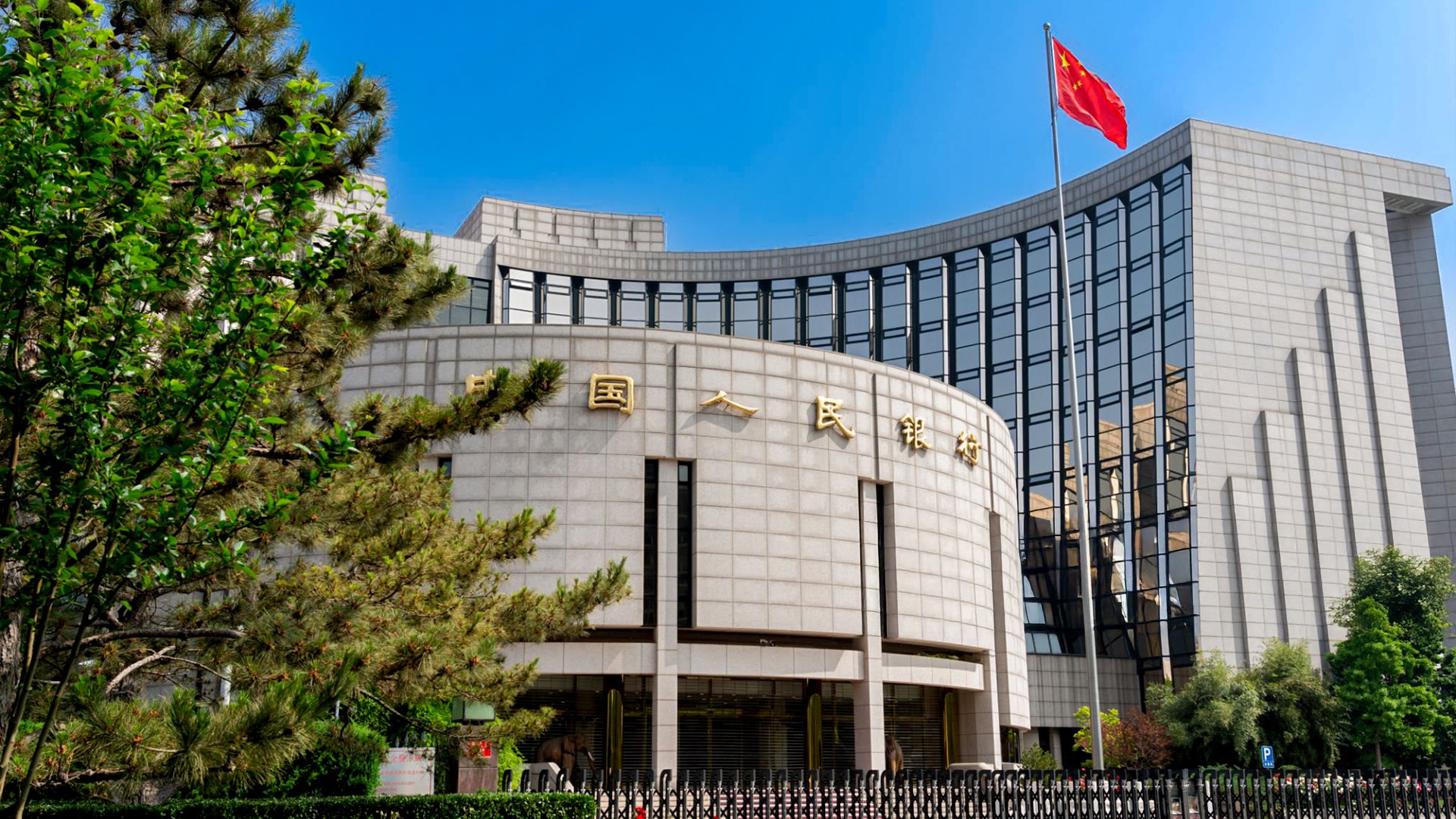
Structural Policy Tools: Precision Engineering for Growth
Unlike broad-based interest rate cuts, "structural policy tools" allow a central bank to inject liquidity into specific sectors of the economy—such as green energy, high-tech manufacturing, or small-to-medium enterprises (SMEs). By lowering these rates, the PBOC is effectively subsidizing the growth of industries it deems critical for China's long-term stability.
For traders at Global Markets Eruditio, the reduction in the one-year relending facility rate is a significant data point. Relending facilities are essentially loans from the central bank to commercial banks, which are then passed on to the private sector. A 25-basis-point cut to 1.25% significantly lowers the barrier for banks to provide cheap capital to the broader economy.
The Forex Impact: Trading the AUD and the USD
In the world of Forex, China’s monetary policy rarely stays within its borders. Because China is a massive consumer of global commodities, any sign of stimulus usually triggers a reaction in the "Commodity Currencies."
1. The AUD/USD Connection
The Australian Dollar (AUD) is often used as a liquid proxy for Chinese economic health. When the PBOC cuts rates to stimulate growth, the AUD/USD pair typically sees bullish momentum as traders anticipate increased Chinese demand for Australian iron ore and coal. For those practicing Forex trading for beginners, watching the PBOC is often the fastest way to understand the "Aussie" Dollar's movements.
2. The US Dollar (USD) and Global Sentiment
Stimulus in China can often lead to a "risk-on" sentiment in the global markets. This can temporarily weigh on the US Dollar (USD) as investors move capital out of safe-haven assets and into higher-yielding emerging market currencies or equities. However, if the stimulus is perceived as an act of desperation due to a weakening Chinese economy, the USD may actually strengthen as a flight-to-safety continues.
Navigating the "Stimulus Wave"
While the PBOC's measures are designed to provide a floor for China’s growth, they also introduce a layer of volatility into the Forex market. The interaction between the PBOC’s easing and the Federal Reserve’s "higher-for-longer" stance creates a complex environment for pairs like USD/CNH (Offshore Yuan) and EUR/USD.
At GME Academy, we teach our students that "the trend is your friend," but "the central bank is the trendsetter." Understanding how to read these policy shifts is what separates a retail gambler from a professional trader.


The Big Picture for 2026
As we move through the first quarter of 2026, the PBOC’s willingness to innovate with structural tools suggests that China is moving away from "blanket" stimulus toward a more surgical approach. For the global economy, this means more targeted growth but also more specific market reactions.
Whether you are looking to capitalize on the volatility of the US Dollar or you want to master the intricacies of the Asian trading session, staying informed on central bank policy is non-negotiable.
Elevate Your Trading Knowledge
The markets don't wait for anyone. As the PBOC releases its new batch of financial measures, are you positioned to profit, or are you watching from the sidelines? Understanding the "why" behind the move is the first step toward consistent success in Forex trading.
Ready to master the art of fundamental analysis?
Join our FREE Forex Workshop Today!
In this workshop, the experts at Global Markets Eruditio will show you how to interpret central bank statements, trade the news like a professional, and build a risk-managed portfolio that survives any economic climate.
