

The "Red Line" in the Arctic: Europe’s Brinkmanship Over Greenland Tariffs
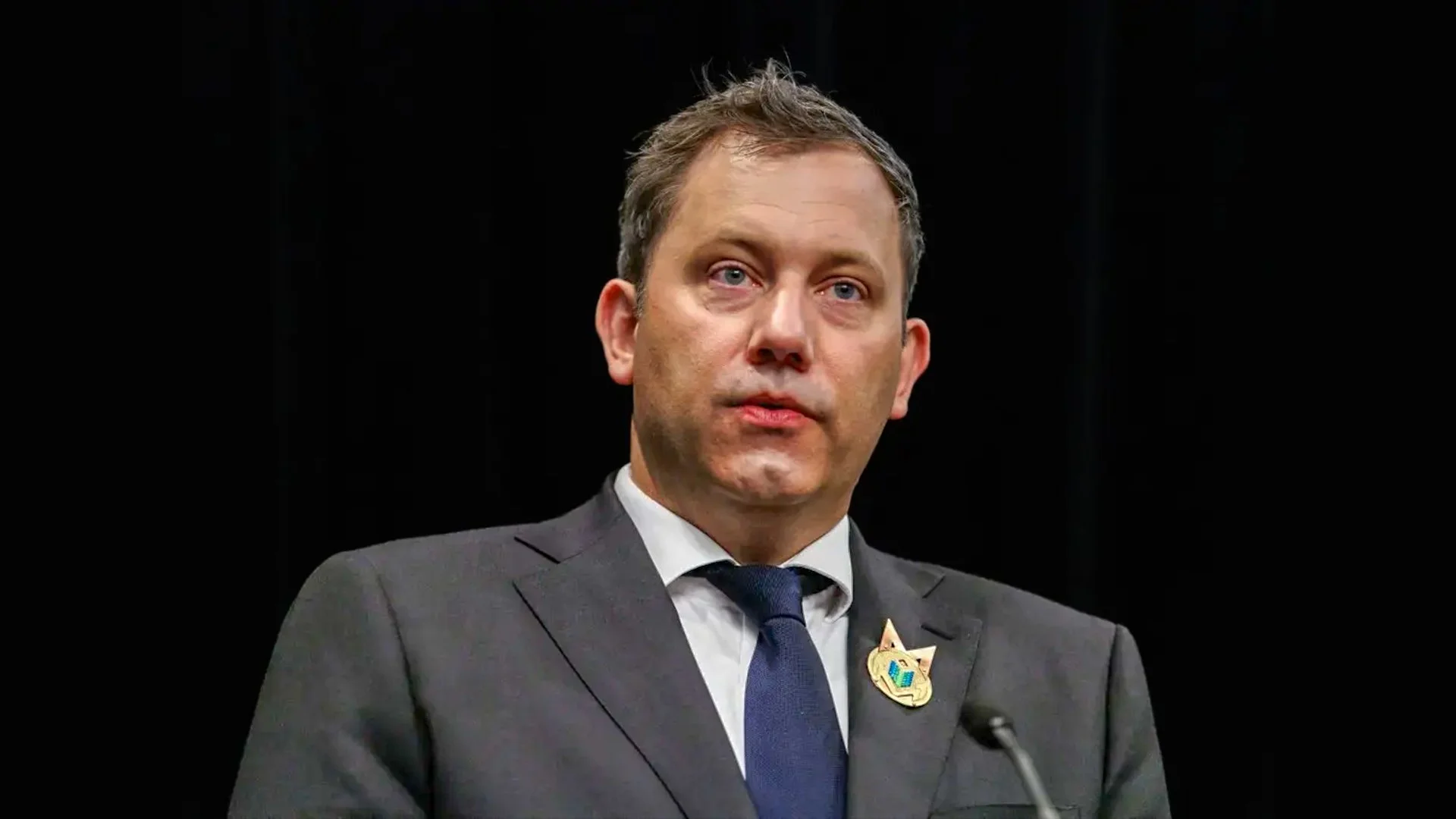
In a stark escalation of transatlantic tensions, German Finance Minister Lars Klingbeil issued a firm warning on Monday, January 19, 2026, declaring that Europe will not be "blackmailed" by the United States over its designs on Greenland. Speaking from Berlin alongside his French counterpart, Roland Lescure, Klingbeil signaled that while the European Union remains open to compromise, it is simultaneously preparing a "big bazooka" of countermeasures to defend its economic sovereignty.
The conflict stems from the U.S. administration's threat to impose tariffs of up to 25% on European allies unless a deal is reached for the purchase of the semi-autonomous Danish territory. For the Global Markets, this isn't just a diplomatic spat—it is a fundamental shift in the geopolitical risk landscape.
Diplomacy with a "United Front"
Despite the aggressive rhetoric from Washington, Minister Klingbeil emphasized that Germany and the broader EU have no interest in a trade war. "Our hand is extended," he noted, but he was quick to add that the "limit has been reached." The strategy currently being formulated by the Global Markets Eruditio (GME Academy) of European leaders is three-pronged:
Suspension of Existing Deals: Putting current tariff-reduction agreements with the U.S. on ice.
Immediate Retaliation: Reactivating suspended tariffs on roughly €93 billion ($108 billion) of American goods as early as February 6.
The Anti-Coercion Instrument (ACI): Deploying a legal "toolbox" that could restrict U.S. companies from public tenders, banking activities, and digital service markets.
Forex Market Implications: Trading the Tensions
For those engaged in Forex trading for beginners, the Greenland dispute is a textbook example of "Geopolitical Risk" in action. The US Dollar (USD) has traditionally acted as a safe haven, but the threat of a full-scale trade war with the EU complicates the narrative.
Key currency pairs to watch include:
EUR/USD: As the Eurozone prepares its "trade bazooka," the Euro faces volatility. A unified European response could bolster the currency, while the fear of 25% tariffs on German autos could drive it lower.
USD/CAD: Canada, as a neighbor to the Arctic dispute and a major trade partner to both the U.S. and Europe, finds the Canadian Dollar caught in the crossfire.
GBP/JPY: With the UK also named in the U.S. tariff threat, the British Pound is reacting to the possibility of being forced to choose sides between its transatlantic and European partners.
The GME Academy Perspective: Managing Volatility
At Global Markets Eruditio, we teach our students that markets hate uncertainty. The "Greenland Gamble" introduces a level of unpredictability that defies standard technical analysis. When Finance Ministers like Klingbeil speak of "red lines," the price action on the USD often ignores historical support and resistance levels.
Professional traders must look past the headlines to understand the underlying economic mechanics. If Europe follows through with its Anti-Coercion Instrument, it could impact sectors ranging from agriculture to big tech, rippling through the equity markets and, eventually, back into the Forex charts.
A Call for "Reasonable Action"
The German government, led by Chancellor Friedrich Merz, is counting on a return to "reasonable action" from Washington. However, with the February 1 deadline for initial tariffs looming, the window for a diplomatic "compromise" is narrowing. For the Global Markets, the next two weeks will be defined by whether the U.S. sees Greenland as a must-have strategic asset or an expensive political bargaining chip.
In Forex trading, the most profitable traders are those who prepare for the worst while hoping for the best. By understanding the fiscal and political motivations of leaders like Lars Klingbeil, you can move from reactive trading to proactive strategy.
Are You Prepared for the Next Transatlantic Shift?
The "Greenland Dispute" is just the beginning of a volatile 2026. Don't let geopolitical headlines wipe out your account.
Join our FREE Forex Workshop today and learn how to navigate high-stakes news cycles with the discipline of a professional!
