

The "Target" Hit: Eurozone Inflation Returns to 2.0% in Final 2025 Push
In a year defined by economic recalibration, the Euro area has closed out 2025 on a high note of stability. According to the flash estimate from Eurostat released this January 2026, annual inflation in the Eurozone is expected to land at 2.0% for December, down from 2.1% in November.
For the European Central Bank (ECB) in Frankfurt, this "2.0%" figure is more than just a number; it is the holy grail of price stability. But for the strategic minds at Global Markets Eruditio, the real value lies in the "under the hood" components of this report. Understanding how services, energy, and food are balancing each other out is the key to mastering Forex Trading for Beginners.
Breaking Down the Basket: Services vs. Energy
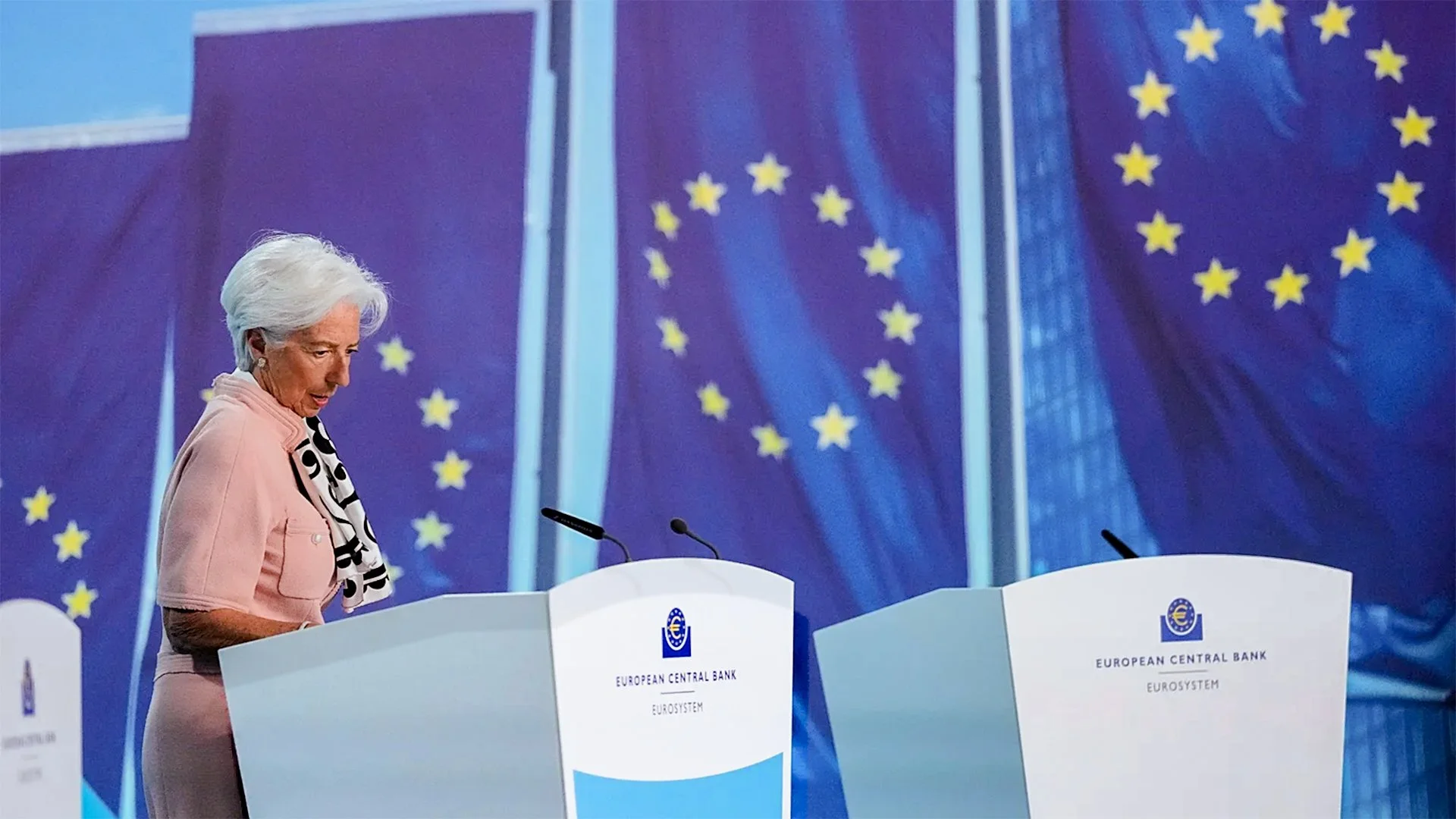
The move to 2.0% wasn't uniform across the board. The cooling of the headline figure was largely driven by a sharp dive in energy prices, which are expected to drop by -1.9% in December compared to a year ago. This contrast to the slight -0.5% dip in November gave the Eurozone the final push it needed to hit its target.
However, "sticky" inflation remains a concern in the services sector. At 3.4%, services inflation is still significantly higher than the target, even after a marginal drop from November's 3.5%. This persistence suggests that while energy bills are falling, the cost of labor and domestic consumption in Europe remains high—a critical factor for anyone tracking the EUR/USD or GBP/JPY pairs.
The Forex Perspective: A "Neutral" Euro?
When inflation hits the target precisely, the market's immediate reaction is often focused on what the central bank will do next. In the world of Forex, inflation is the primary fuel for interest rate changes.
EUR/USD Impact: As of early January 2026, the Euro (EUR) has been trading in a stable range near 1.1650 against the US Dollar (USD). Because 2.0% is exactly what the ECB wanted, traders are now betting that the bank will keep interest rates on hold for the first quarter of 2026. This "status quo" can actually lead to a slightly weaker Euro if other economies, like the US, maintain higher rates.
The Cross-Economy Ripple: With Eurozone inflation hitting the mark, the spotlight shifts to other Currency Pairs. For instance, the Canadian Dollar (CAD) or the British Pound might see increased volatility as investors move capital out of the "predictable" Euro into currencies with more dynamic rate outlooks.
At GME Academy, we emphasize that trading the Euro isn't just about knowing the inflation rate of Germany or France—it’s about understanding the weighted average of the entire 21-member currency union, which now officially includes Bulgaria as of January 1st!

GME Academy Insight: Why the "Core" Matters
While the headline inflation is at 2.0%, the Core Inflation (which strips out volatile energy and food) sits slightly higher at 2.3%. This is a subtle but vital distinction. A high core rate suggests that inflation is "baked in" to the economy.
For a beginner in Forex Trading, this is a signal to watch for "hawkish" or "dovish" rhetoric from ECB officials. If the ECB remains worried about the 3.4% services inflation, they may delay further rate cuts, which could provide a surprise floor for the Euro in the coming months.
The Path Forward for Traders
The December 2025 flash estimate marks a successful chapter for the Euro area. By reaching the 2.0% milestone, the ECB has proven its ability to navigate a soft landing. However, for a trader, stability is just the precursor to the next move.
Will the Eurozone dip into "too low" inflation in early 2026? Or will the services sector trigger a secondary wave of price hikes? Keeping your eye on these Forex trends is the difference between reactive and proactive trading.
Unlock the Secrets of Central Bank Trading
Do you want to learn how to anticipate ECB moves before they happen? Understanding the HICP (Harmonised Index of Consumer Prices) is just the beginning. At Global Markets Eruditio, we transform complex Eurostat data into clear trading opportunities.
Master the Euro and the global markets today. Join our FREE Forex Workshop and learn the strategies the pros use to stay ahead!
