

The "Super-Dovish" Pivot: Fed Governor Miran Scales Back 2026 Rate Cut Projections
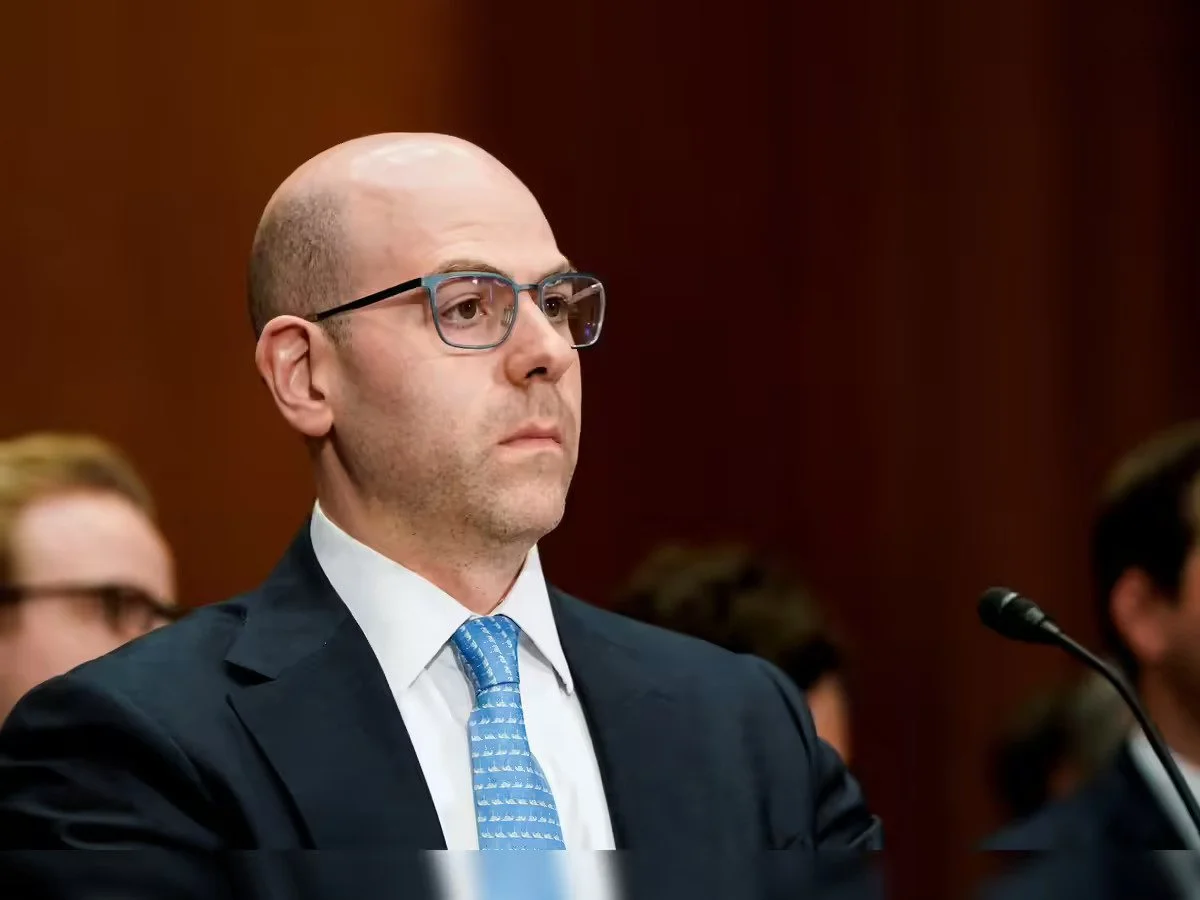
In a significant recalibration of his monetary outlook, Federal Reserve Governor Stephen Miran has signaled that the path to lower interest rates may be less aggressive than previously thought. In an interview with The Wall Street Journal and The Peg on Thursday, February 19, 2026, Miran—long considered the most dovish member of the Board of Governors—dialed back his calls for deep cuts, citing a resilient labor market and "stubborn" inflationary pressures.
Miran, who was appointed by President Trump in late 2025 and recently resigned from his post at the White House Council of Economic Advisers (CEA) to focus on the Fed, admitted that recent data has forced a shift in his "dot plot" projection.
1. Why the Shift? Employment and Goods Inflation
Governor Miran’s "pivot" is driven by two key economic developments that have outperformed his initial, more pessimistic models:
Employment Resilience: Despite global trade volatility and the "Year of the Tariff," the U.S. labor market has held up significantly better than Miran anticipated in December. "The labor market came in a little bit better than I came to expect over the last few months," Miran stated.
Stubborn Goods Inflation: Miran highlighted signs of "firming" in goods prices—a sector he previously argued would be immune to entrenching inflation. He noted that the disinflationary process in goods is not moving as quickly as hoped, potentially due to supply-side constraints.
2. The New Rate Path: From 2.25% to 2.75%
While Miran remains on the dovish end of the Federal Open Market Committee (FOMC), his new stance represents a 50-basis-point "hawkish" shift from his December forecast.
December Forecast: Miran had projected the federal funds rate falling below 2.25% by the end of 2026.
Current Forecast: He now favors a target below 2.75% by year-end.
The Fed Consensus: Even with this shift, Miran is still more accommodative than the median Fed official, who currently projects just a single quarter-point (25 bps) cut for the entirety of 2026.
3. Political Independence and the "Warsh" Factor
The timing of Miran’s interview is notable as it coincides with a period of transition at the Federal Reserve.
Resignation from CEA: Earlier this month, Miran formally resigned from the White House to satisfy Senate commitments, moving to establish himself as an independent voice at the central bank.
Succession Planning: With Kevin Warsh nominated to succeed Jerome Powell as Fed Chair in May, Miran’s provisional term is expected to end soon. However, he remains a key voting member for the upcoming March 2026 meeting, where markets overwhelmingly expect the Fed to remain on hold.



GME Academy Analysis: "The Hawkish-Dovish Convergence"
At Global Markets Eruditio, we see Miran's shift as the final signal that the "Recession Scare" of late 2025 has officially ended.
Trader's Takeaway for February 2026:
USD Strength: If the Fed's "doves" are getting less dovish, the "Dollar Super-Cycle" has more room to run. We expect the DXY to remain bid as markets price out the aggressive 100+ bps cut scenarios.
Yield Curve Inversion: The 2-year Treasury yield is likely to see upward pressure as Miran’s 2.75% "floor" becomes the new market benchmark for the most optimistic easing path.
Equity Volatility: High-growth tech stocks, which thrive on low-rate projections, may face headwinds as the "cheap money" timeline is pushed further into 2027.
Join our FREE Macro Workshop at Global Markets Eruditio!
Is the Fed really done cutting? We’ll break down the Miran Interview vs. The March Dots and show you how to trade the interest rate "reality check."
