

Canada’s October Inflation Surprise: How Falling Gas Prices Could Shake the CAD
The latest Consumer Price Index (CPI) data for October reveals a slowdown in Canada’s inflation rate, offering both relief for everyday consumers and critical signals for Forex traders. According to Statistics Canada, the CPI rose 2.2% year over year in October, down from a 2.4% increase in September. This slight deceleration reflects shifts in gasoline prices, groceries, and other key household expenses.
Gasoline Prices Drive CPI Down
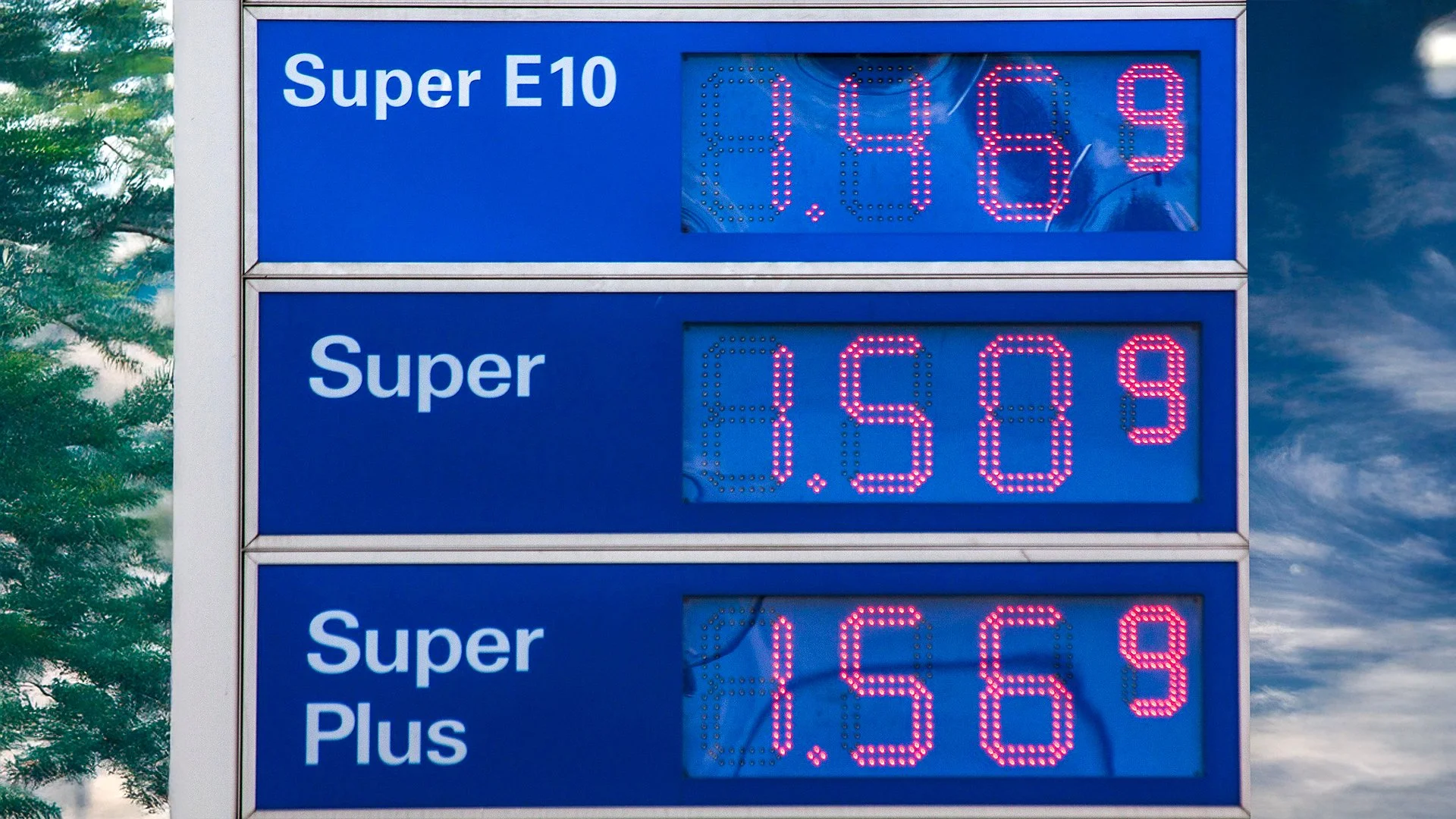
The most significant factor behind the slower inflation is gasoline. Gasoline prices fell 9.4% year over year in October, compared with a 4.1% drop in September. On a month-over-month basis, prices at the pump fell 4.8% in October, largely due to a seasonal switch to cheaper winter blends and lower crude oil prices amid global oversupply concerns.
For Forex traders, these declines are relevant when considering the Canadian Dollar (CAD). Lower gasoline prices can ease domestic inflationary pressures, potentially influencing the Bank of Canada’s monetary stance and affecting USD/CAD trading strategies.
Grocery Prices Rise More Slowly
Food prices, while still elevated, also contributed to the deceleration. Prices for groceries purchased from stores rose 3.4% year over year, down from 4.0% in September. The moderation reflects lower prices for processed foods (+3.2%) and fresh vegetables (-1.4%), partially offset by higher prices for fresh or frozen chicken (+6.2%).
On a month-over-month basis, grocery prices fell 0.6%, marking the largest decline since September 2020 (-1.1%). For Forex beginners, these changes indicate how domestic consumer costs can indirectly influence currency strength, as inflation trends affect interest rate expectations.
Cellular and Digital Device Costs Shift
After months of stable or declining prices, cellular services saw a notable jump. Year over year, prices for cellular plans rose 7.7% in October, the first increase since April 2023. On a monthly basis, the index jumped 8.2%, reflecting price hikes by several wireless providers.
Meanwhile, multipurpose digital devices, such as smartphones and tablets, continued their long-term decline, falling 7.7% for the 26th consecutive month. This trend demonstrates how technology pricing and communication costs can affect household budgets and spending behavior.
Insurance and Property Costs Continue Rising
Homeowners and drivers are also feeling inflationary pressure. Year over year, homeowners’ insurance rose 6.8%, while passenger vehicle insurance climbed 7.3%, with Alberta seeing the highest spikes. Property taxes increased 5.6%, slightly lower than last year’s 6.0% rise, although Manitoba experienced a 19.5% jump due to sewer and garbage fee hikes.
Forex traders often watch such costs as part of broader inflation trends that influence CAD valuation against currencies like the USD, especially when central bank policies are affected by persistent domestic price pressures.
Regional Highlights: Gas, Taxes, and Utilities
Ontario stands out for a 17.3% year-over-year drop in natural gas prices, contributing to a 22.4% month-over-month decrease. This regional variation highlights how local factors—like energy rates and municipal fees—can influence the broader inflation picture.


Why This Matters for Forex Traders
For those interested in Forex trading for beginners, understanding CPI trends is critical. Inflation data influences central bank decisions on interest rates, which in turn can cause fluctuations in currency pairs like USD/CAD, EUR/USD, and GBP/JPY. A slowdown in inflation might signal a more cautious monetary stance, potentially weakening the domestic currency, while persistent cost pressures could push rates higher and strengthen the currency.
In everyday life, this data impacts how much Canadians pay at the pump, in grocery stores, and for home services. By keeping an eye on CPI trends, individuals can make smarter budgeting choices and traders can spot profitable opportunities in the Forex market.
Stay ahead of the market and protect your finances!
Join our FREE Forex workshop at GME Academy to learn how to interpret economic indicators like CPI and trade smarter in Forex market.
