

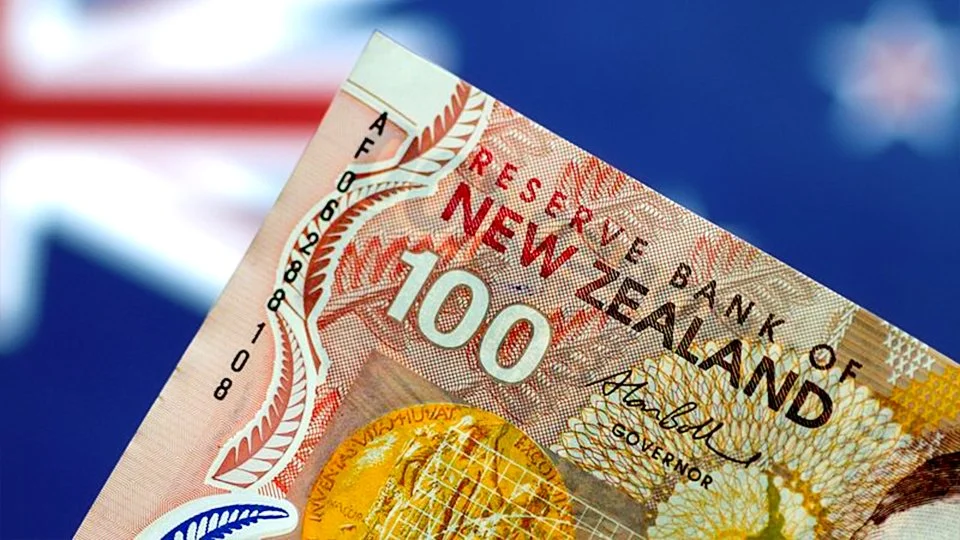
The Balancing Act: Decoding the December 2025 CPI Report
In the world of Forex trading, inflation data is the ultimate compass. On January 23, 2026, the latest Consumer Price Index (CPI) report for the December 2025 quarter was released, revealing a 0.6 percent quarterly rise and a 3.1 percent annual increase.

The Savings Slide: US Consumers Keep Spending as Income Growth Cools
In the intricate world of Forex trading, the "Personal Income and Outlays" report is a double-edged sword. Released on January 22, 2026, the latest data from the U.S. Bureau of Economic Analysis (BEA) reveals a striking trend:
The Pulse of the Labor Market: US Jobless Claims Hit Lowest Average Since 2024
In the high-stakes world of Forex trading, timeliness is everything. On Thursday, January 22, 2026, the U.S. Department of Labor released its weekly Unemployment Insurance Claims report, a high-impact indicator that serves as a real-time health check for the American economy.
The Engines of Growth: Breaking Down the 4.4% US GDP Surge
In the world of Forex trading, few reports carry the heavyweight status of the Gross Domestic Product (GDP). It is the ultimate scorecard for an economy's health. On January 22, 2026.
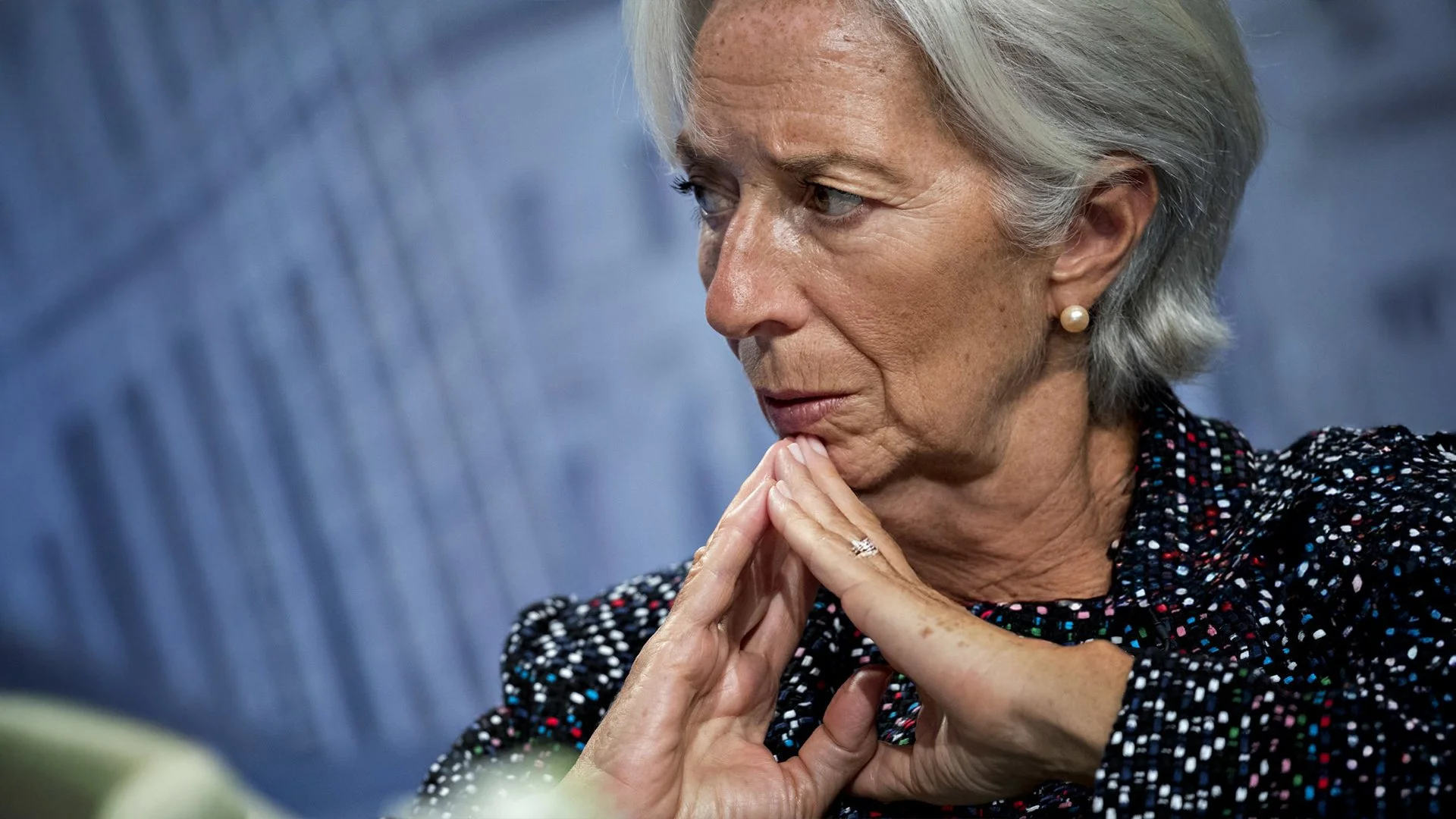
The Dawn of a New Order: Lagarde Calls for a "Deep Review" of Europe
In a candid series of remarks at the 2026 World Economic Forum in Davos and an interview with French radio RTL, European Central Bank (ECB) President Christine Lagarde delivered a sobering yet strategic assessment of the Eurozone’s future.

The Winter Freeze: US Pending Home Sales Take a 9.3% Sharp Turn
The American housing market encountered a significant chill this past December, as pending home sales—a key forward-looking indicator—plunged by 9.3%.
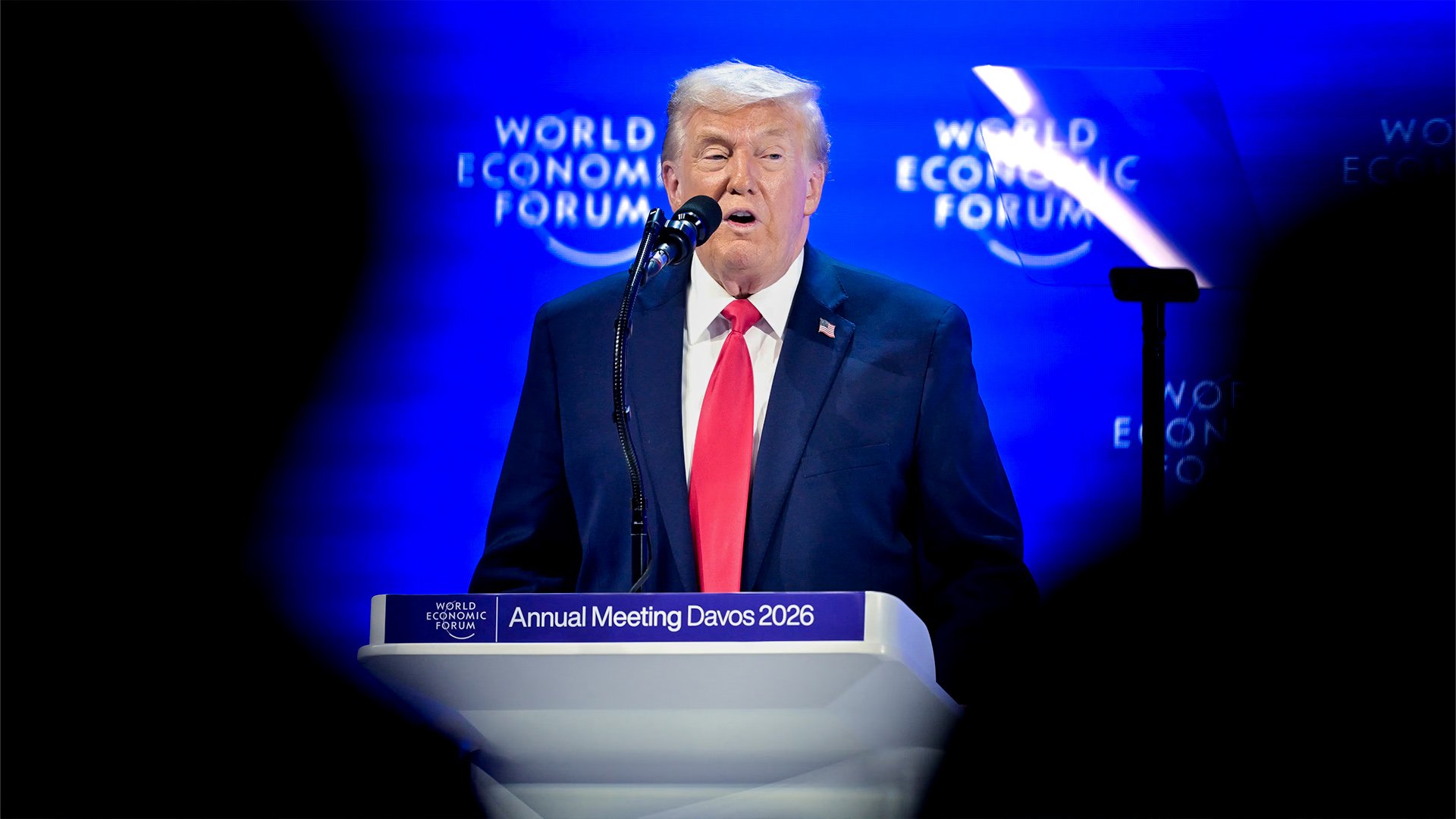
The Davos Doctrine: President Trump’s Blueprint for a Resurgent West
At the 2026 World Economic Forum in Davos, Switzerland, the atmosphere was electric as President Donald J. Trump took the stage to deliver a definitive address on the future of the Western alliance.
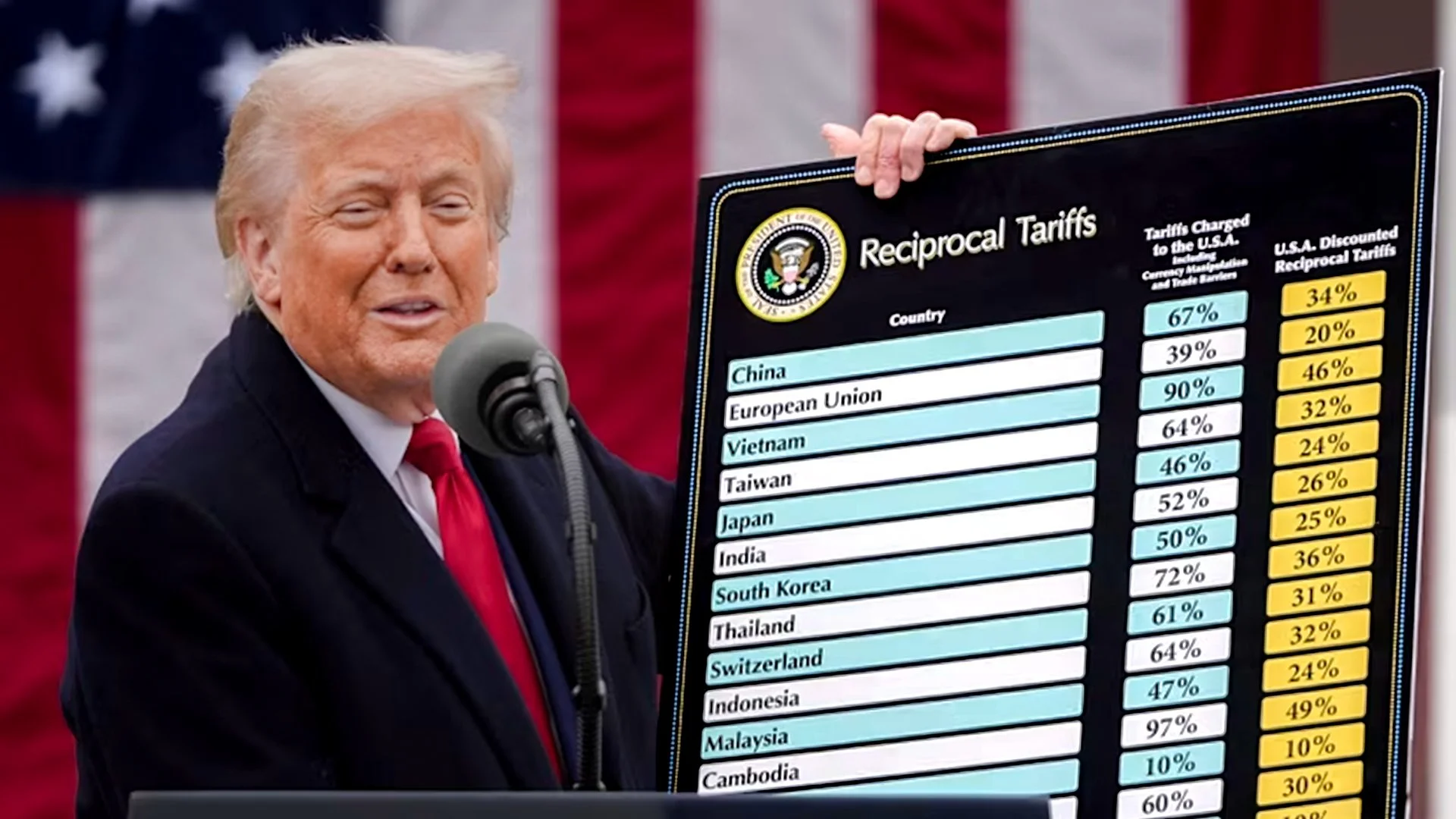
The "Furniture Freeze": Trump Delays Tariff Spike to Shield Homeowners and Markets
In a move that has provided an eleventh-hour reprieve for the home furnishing and construction industries, President Donald Trump has signed a New Year's Eve proclamation to delay a massive scheduled increase in furniture tariffs.

The "Aussie Cooling": CPI Surprise Offers Relief, but is the RBA Ready to Pivot?
In a significant update for the Australian economy, the latest Consumer Price Index (CPI) data has revealed a sharper-than-expected slowdown in inflation. Released this Wednesday, January 7, 2026, the figures show that headline inflation fell to 3.4% in the 12 months to November 2025.

The Caracas Coup: How "Operation Absolute Resolve" is Shaking Global Markets
In a move that has stunned the world and sent immediate shockwaves through the financial sector, the United States has executed a massive military intervention in South America.
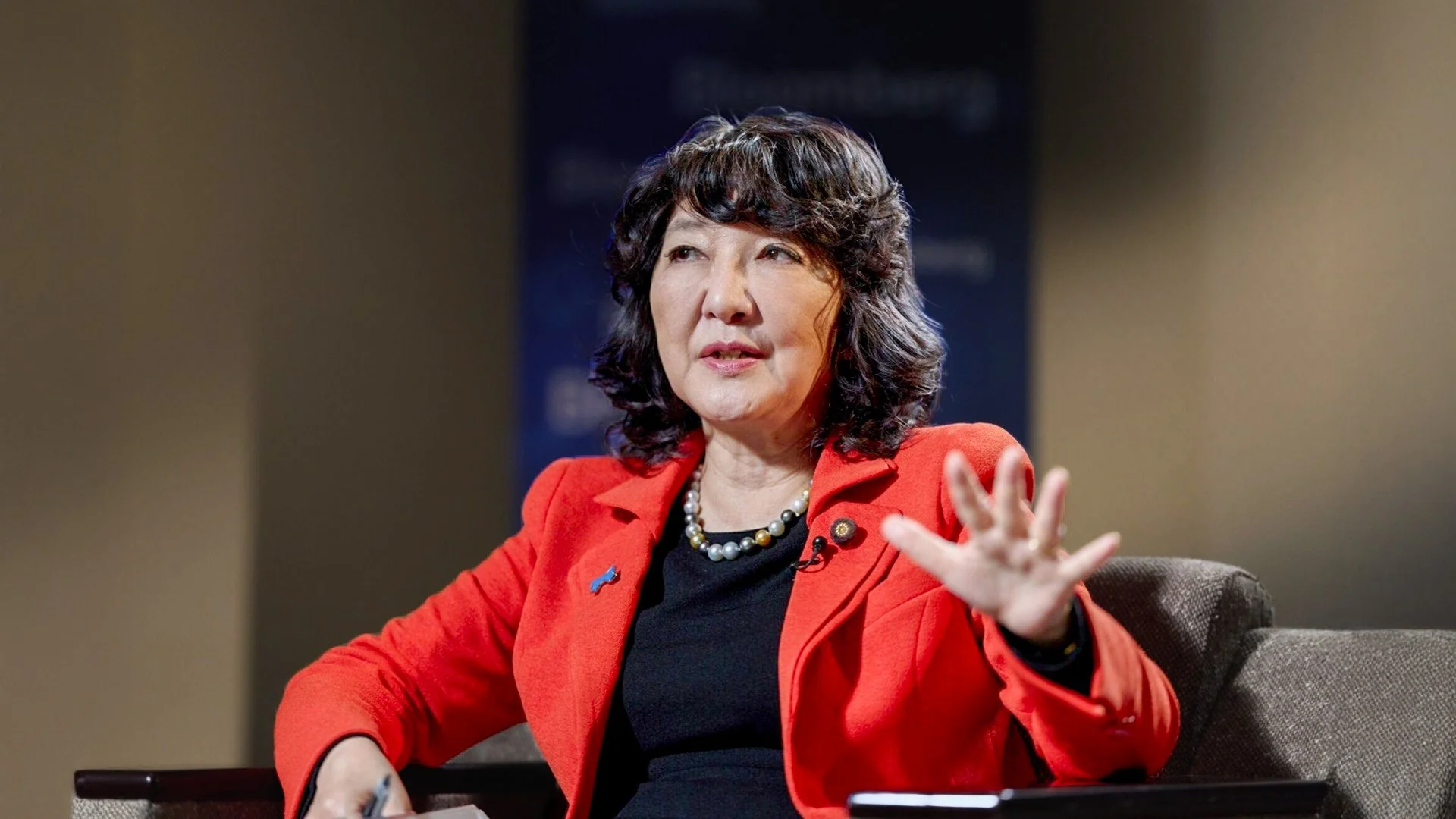
Japan’s "Free Hand": Minister Katayama Issues Fierce Warning to Yen Speculators
The Japanese Yen is once again at the center of a geopolitical tug-of-war. In a series of bold statements that have set the Forex world on high alert, Japan's Finance Minister Satsuki Katayama recently declared that the government has a "free hand" to take decisive action to curb the currency’s slide.

Japan’s Economic Transition: What Forex Traders Need to Know About Prices, Wages, and Monetary Policy
Japan’s economy is undergoing a significant transition. After decades of deflation or zero inflation following the early 1990s bubble collapse, Japan is now entering a period of moderate growth with rising prices and wages.
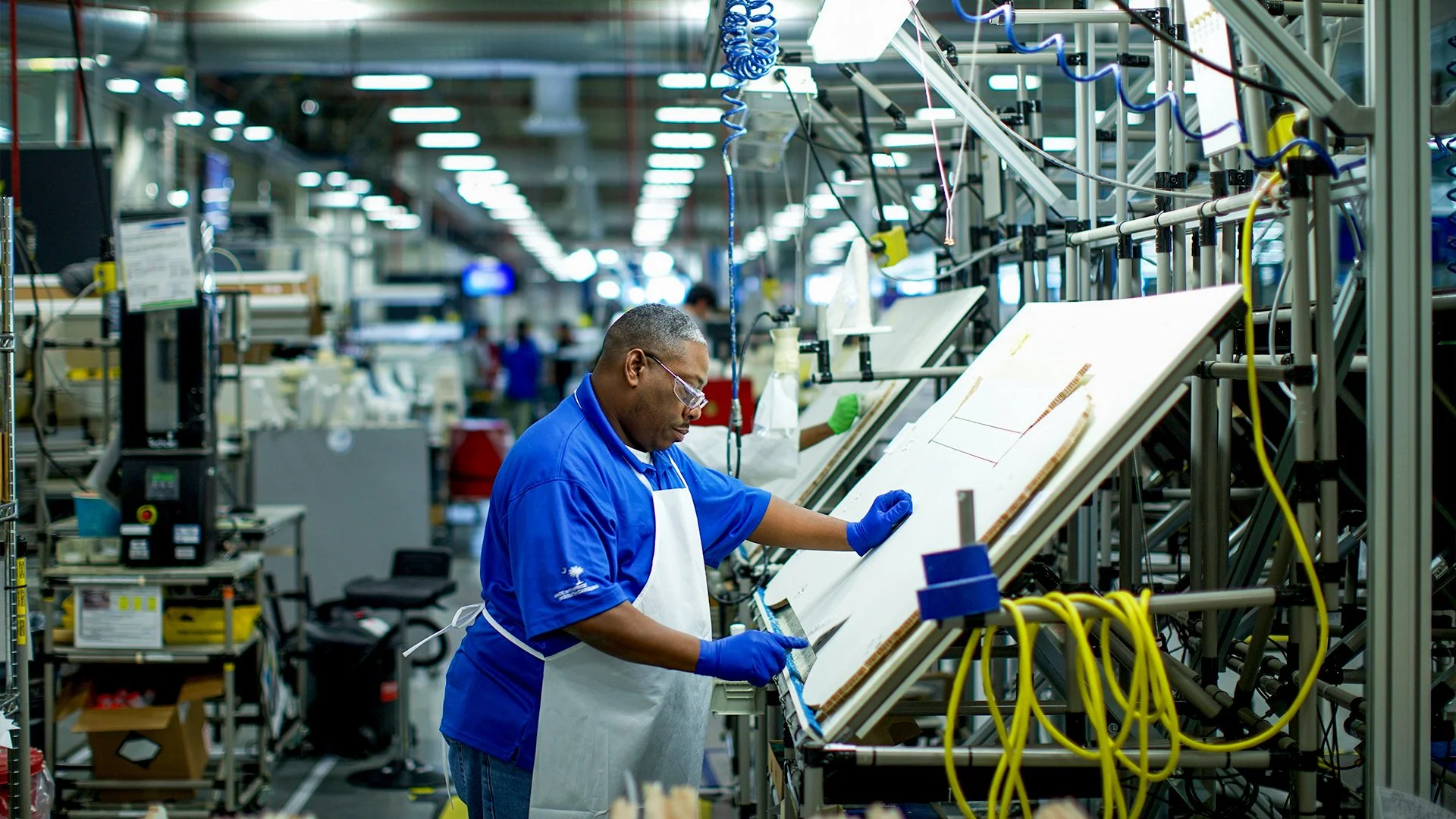
Factories Slow Down but Future Looks Brighter: What November’s Manufacturing Survey Means for Forex Traders
Manufacturing in the region weakened again in November 2025, based on the latest Manufacturing Business Outlook Survey. While the current business activity remains negative — meaning more firms are reporting a slowdown — the good news is that expectations for the next six months improved sharply.
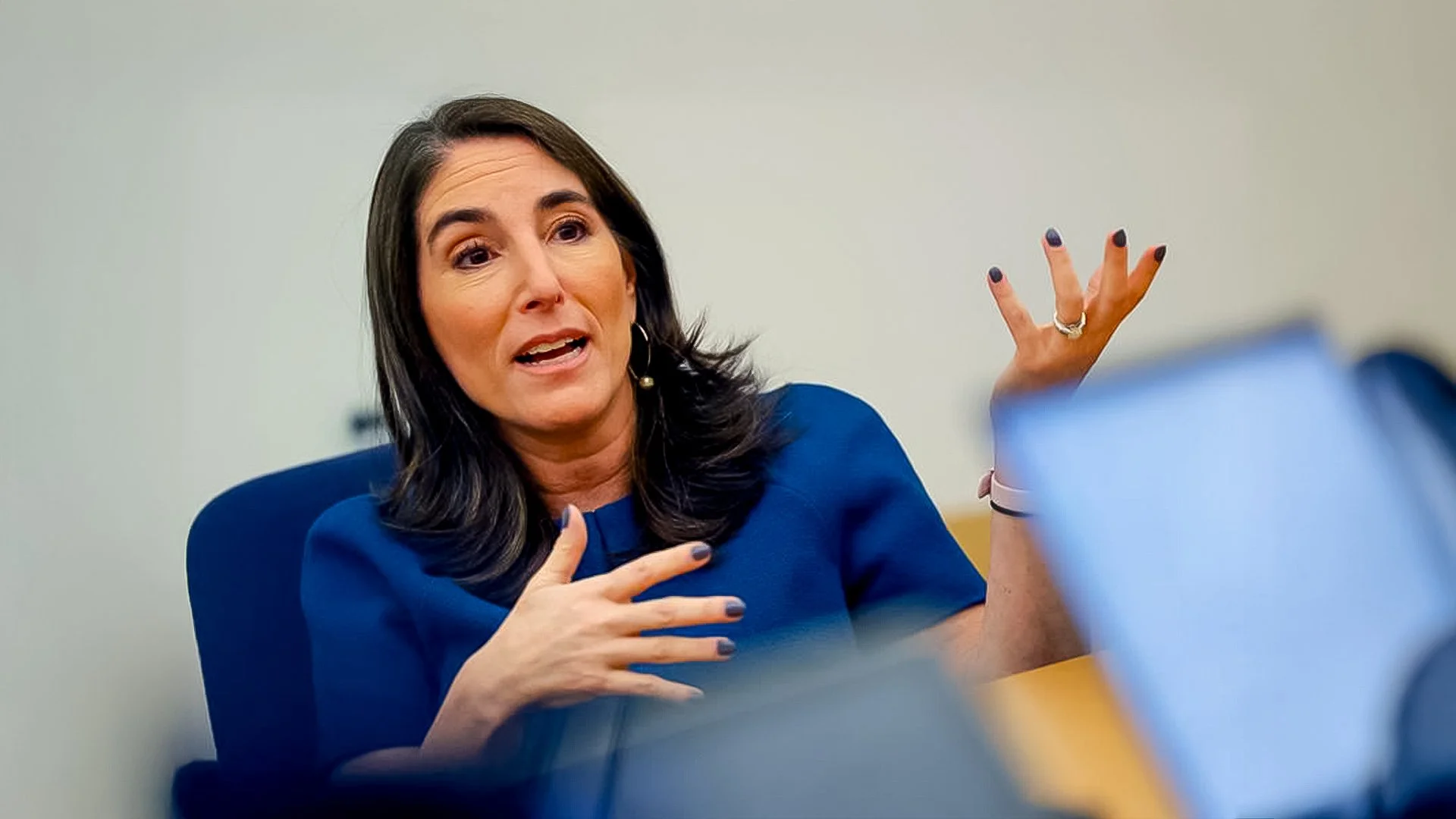
Fed’s Hammack: “Financial Conditions Are Quite Accommodative” — What This Means for Forex Traders
At the 2025 Cleveland Fed Financial Stability Conference, Beth M. Hammack, President and CEO of the Federal Reserve Bank of Cleveland, delivered key insights on the current financial system and the risks that lie ahead. Her remarks are particularly important for those involved in Forex Trading, especially Forex Trading for Beginners, as they highlight how monetary policy, inflation, and financial stability can move major currency pairs like EUR/USD, USD/JPY, and GBP/USD.

Japan’s Katayama Signals FX Intervention: What This Means for Forex Traders
Japan’s Finance Minister Katayama recently issued a strong warning to currency markets: the recent rapid swings of the Japanese Yen have been “alarming,” and foreign exchange (FX) intervention remains an option.
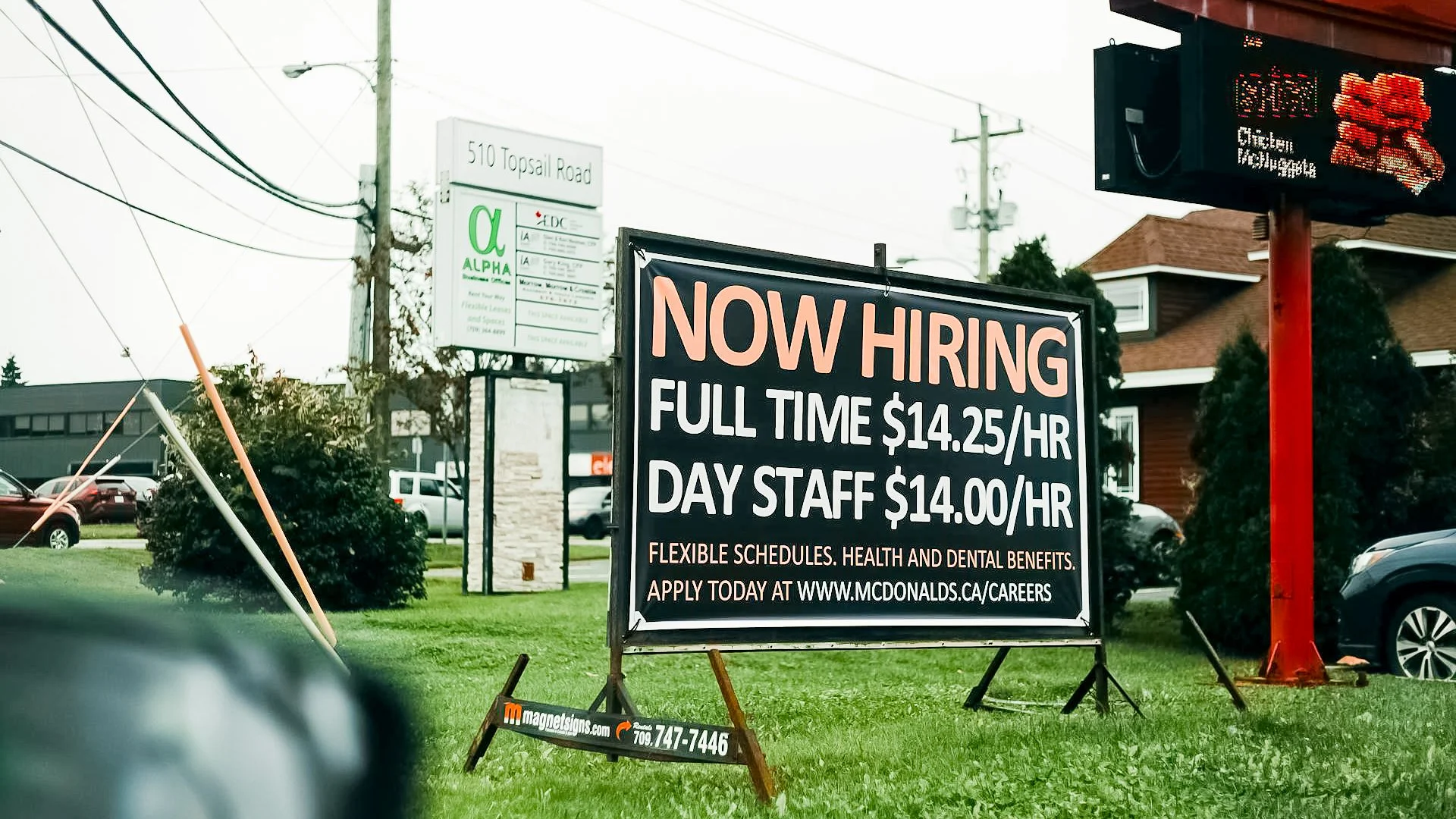
U.S. Labor Market Stalls: What the September 2025 Employment Report Means for the Dollar and Forex Traders
The latest Employment Situation Summary for September 2025 is finally out—six weeks late due to the U.S. federal government shutdown—and the data paints a picture of a U.S. economy that’s slowing, cooling, and showing signs of strain.

Japan’s Economic Outlook: BoJ’s Koeda on Activity, Prices, and Monetary Policy
Japan’s economy continues to draw global attention as the Bank of Japan (BoJ) carefully monitors domestic and international developments. Recently, BoJ board member Koeda provided an extensive update on economic activity, price trends, and monetary policy, highlighting key factors that may influence Forex trading and the Japanese Yen.
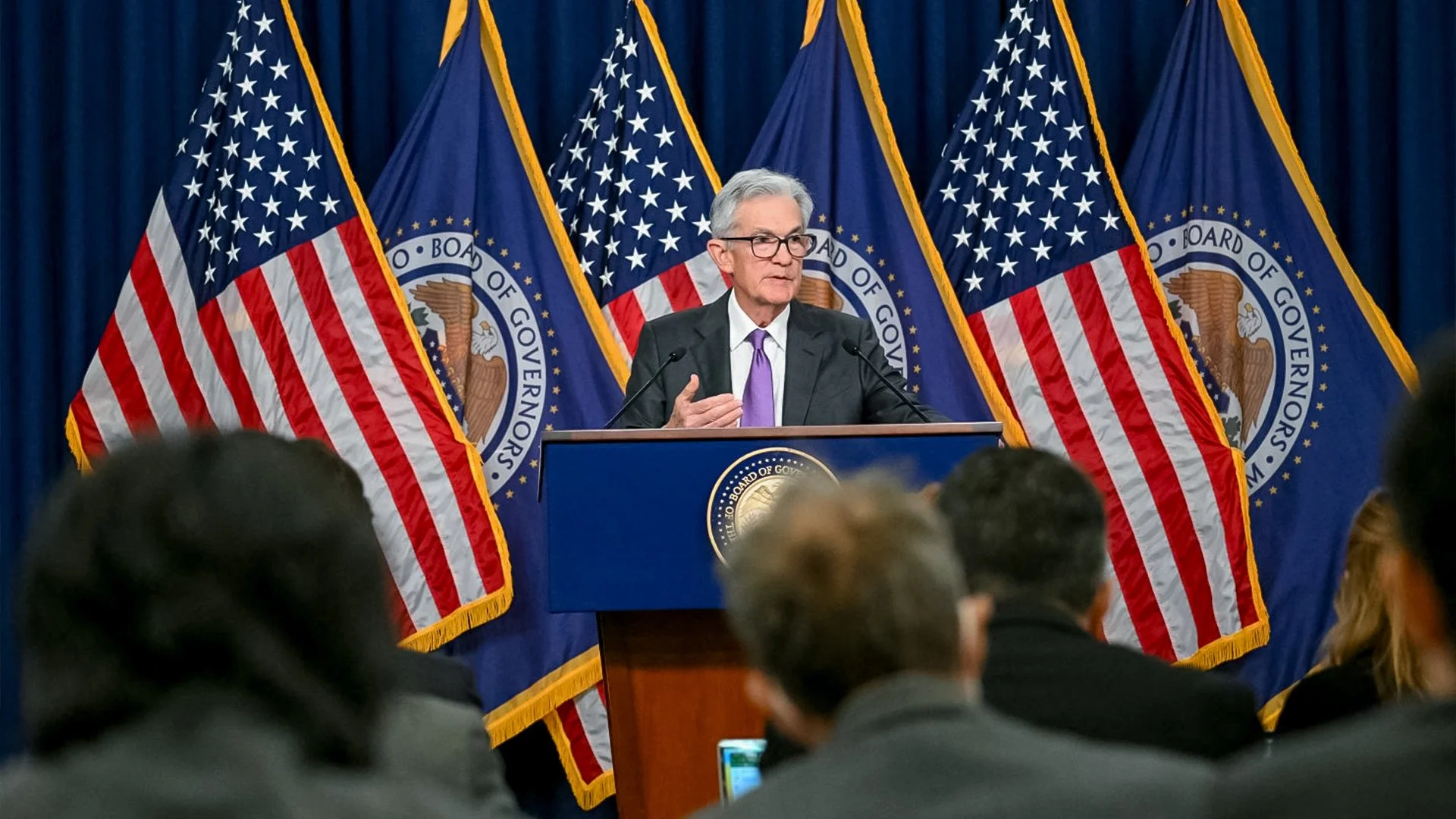
Federal Reserve Rate Cut: What It Means for Forex Traders and the US Dollar
The Federal Reserve made waves in financial markets with its October 28–29, 2025 FOMC meeting, lowering the federal funds rate by 25 basis points to 3.75–4 percent.

RBA Signals Uncertainty: What This Means for Forex Traders and the Australian Dollar
The Reserve Bank of Australia (RBA) recently signaled a shift in its monetary policy stance, leaving many investors and Forex traders wondering:
Fed’s Waller Makes the Case for Rate Cuts: What It Means for Your Wallet and Forex Traders
At a recent address at the Society of Professional Economists Annual Dinner in London, Federal Reserve Governor Christopher J. Waller laid out a compelling argument for continuing cuts to the U.S. policy interest rate.