

RBA Pivots: Interest Rates Hit 3.85% as Inflation Regathers Momentum
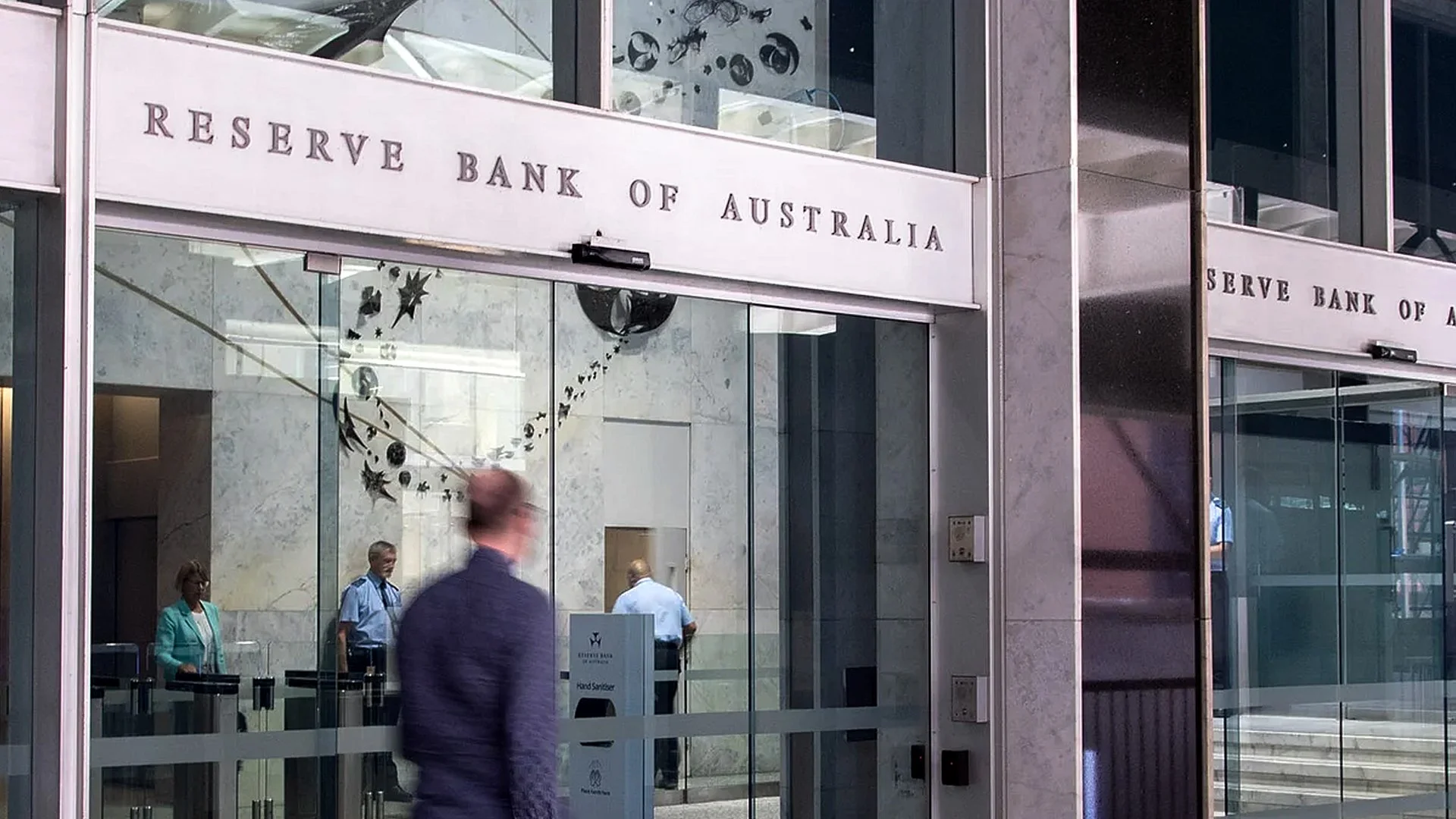
The Reserve Bank of Australia (RBA) has officially shifted gears, ending its brief easing cycle with a 25-basis-point hike, bringing the official cash rate to 3.85% at its February 3, 2026, meeting. The decision, detailed in the latest Statement on Monetary Policy (SMP), marks a stern response to an unexpected resurgence in price pressures during the latter half of 2025.
At the GME Academy, we see this as a critical "Inflation Wake-up Call." For Forex Trading, the AUD/USD (Aussie Dollar) surged following the announcement as markets quickly priced in a more "Hawkish" path for the RBA. The era of "Rate Cut Hope" has been replaced by a "Higher-for-Longer" reality.
1. The Inflation Rebound: Why the RBA Acted
The primary driver for the hike was a material pick-up in inflation. While headline inflation had fallen substantially since its 2022 peak, the second half of 2025 saw a broad-based increase across both goods and services.
The Numbers: Headline inflation climbed to 3.8% in the year to December 2025, significantly exceeding the RBA’s 2–3% target range.
Sticky Services: Services inflation—driven by rents, holiday travel, and electricity costs—hit a two-year high of 4.1%.
The Forecast: The RBA now assumes headline inflation will reach 4.2% by mid-2026, suggesting that the "Cost of Living Crisis" will persist longer than previously hoped.
2. A "Tight" Labor Market Defies Gravity
Despite higher interest rates throughout 2024, the Australian labor market has remained remarkably resilient, giving the RBA the confidence (or the "cover") to hike again.
Full Employment: The unemployment rate fell to 4.1% in December 2025, with employment hitting a record high of 14.68 million.
Wage Pressure: While wage growth has eased from its peak, unit labor costs remain high. The RBA noted that "capacity pressures" are greater than previously assessed, meaning the economy is running "too hot" to let inflation settle.
3. The Economic Outlook: Faster Growth, Higher Risks
The SMP revealed that the Australian economy is actually growing faster than the RBA predicted just a few months ago.
Resilient Spending: Household and business spending have held up better than expected, providing a boost to overall GDP.
The Housing Factor: Activity and prices in the property market are continuing to pick up, adding another layer of wealth-effect-driven demand that the RBA is keen to temper.
Global Resilience: Despite geopolitical tensions and tariff talk in the U.S., the global economy has remained supportive of Australian exports.
4. Forex Impact: The AUD Bulls Return
For Forex Trading for Beginners, the RBA’s move from "cuts to hikes" is a textbook bullish signal for the currency.
AUD/USD Rally: The Australian Dollar jumped nearly 1% against the USD following the decision, as the yield differential narrowed.
Yield Curve Shift: Policy-sensitive three-year bond yields jumped 10 basis points, as traders began betting on another potential hike by June or August 2026.
Global Divergence: As other central banks consider pausing or cutting, the RBA stands out as one of the few actively "re-tightening," making the AUD an attractive target for "Carry Trades."


The GME Academy Analysis: "The Shortest Easing Cycle"
At Global Markets Eruditio, we are calling this the "Shortest Easing Cycle in Modern History." The three rate cuts in 2025 (February, May, and August) appear to have been "premature," as they reignited private demand before inflation was truly dead.
Are You Positioned for a Hawkish RBA? The "Pivot" is over. We are now in a "Regime of Persistence." If you are trading the AUD, you must respect the RBA's commitment to the 2.5% midpoint, even if it means more pain for mortgage holders.
Join our FREE Forex Workshop. Learn how to trade "Central Bank Reversals." We’ll show you how to spot the signs of a "Hiking U-Turn" before the news breaks and how to protect your portfolio from the volatility of the Australian "Inflation Surprise."
