

The Affordability Mandate: Powell Pledges "Years" of Real Wage Gains, Solidifying Commitment to 2% Inflation
Federal Reserve Chair Jerome Powell dramatically broadened the Fed's mandate beyond simply returning inflation to target. By stating it will "need to have some years where wages outpace inflation for people to feel good about affordability," Powell has anchored the central bank's policy to improving living standards—a concept known in Global Markets Eruditio as prioritizing "real wages." Combined with his firm declaration, "WE WILL DELIVER 2% INFLATION," the Fed’s dovish tilt is cemented, reinforcing the structural weakness now priced into the US Dollar (USD).
Jerome Powell's recent comments following the FOMC rate cut are among the most significant pieces of forward guidance this year. They illuminate the human-centric philosophy now driving policy: the Fed is not just aiming for a mathematical 2% inflation print; it is aiming for a meaningful economic outcome for American workers. This means accepting a period of higher-than-usual wage growth, provided it does not cause a re-acceleration of prices, a view supported by his dismissal of a tightening labor market as a primary inflation threat.
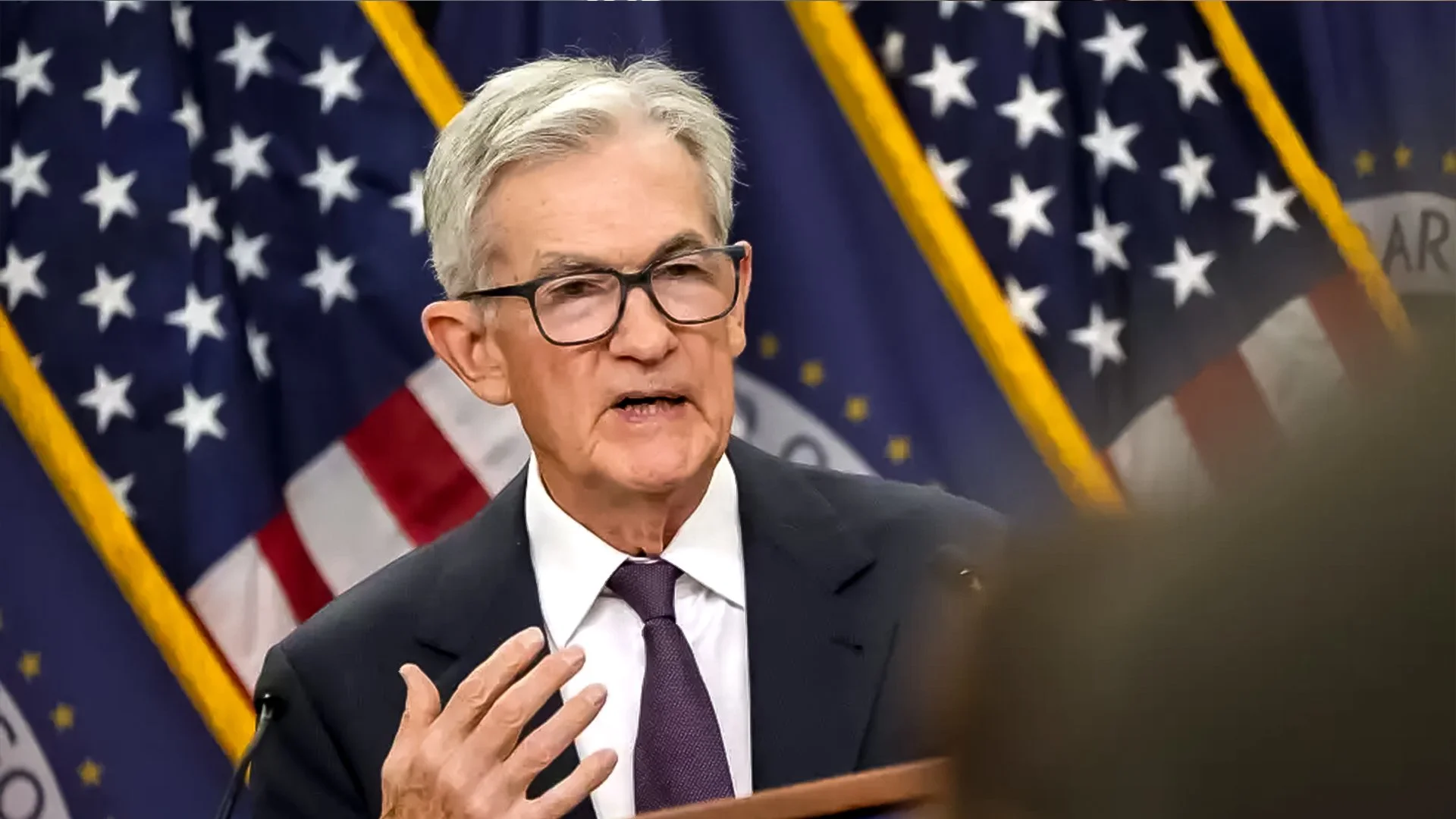
The Real Wage Goal: A New Era of Policy
The key takeaway is the focus on real wages—wages adjusted for inflation—as the ultimate measure of success for economic policy.
Restoring Affordability:
The surge in inflation over 2021-2023 eroded the purchasing power of the average American household. Even with recent wage gains, many workers are still playing catch-up. Powell's commitment to "some years where wages outpace inflation" means:
Positive Real Wage Growth: The annual percentage increase in nominal wages must be greater than the annual percentage increase in the cost of living (inflation).
Support for Easing: This stance inherently supports the Fed’s current easing cycle. Lower interest rates help keep the economy running, giving businesses the opportunity to raise wages in a less inflationary environment, particularly if accompanied by a positive productivity shock.
For Forex Traders, this is a powerful fundamental signal. It explicitly states the Fed is willing to tolerate an economy that might look "hot" (with high nominal wage growth) as long as price pressures are subdued. This policy acceptance of sustained real wage gains implies a greater tolerance for economic growth, putting a ceiling on the terminal interest rate and keeping the long-term outlook for the USD soft.


The Unwavering Commitment: 2% Inflation
Despite the focus on improving affordability and employment risks, Powell was uncompromising on the central bank's core mandate: "WE WILL DELIVER 2% INFLATION."
Anchoring Expectations:
This declaration is critical for two reasons:
Credibility: It reassures markets that the Fed has not abandoned its inflation target, a vital pillar of the USD's global status. A loss of confidence in the Fed's commitment would lead to unanchored inflation expectations and currency instability.
Risk Management: By emphasizing the target, the Fed maintains its credibility to hike rates again if the recent rate cuts and underlying productivity growth fail to materialize, and inflation takes a genuine turn for the worse.
For global Forex Trading, the commitment to 2% means that while the USD may weaken in the short term due to rate cuts, its status as a major reserve currency remains secure because the central bank is adhering to its long-term price stability objective.
Forex Trading: The Structural USD Weakness
The combination of a dovish policy pivot (cutting rates due to employment risks) and a new, explicit focus on achieving multiple years of positive real wage growth solidifies the fundamental bias for the USD.
The Bearish Case: The Fed is telling the market it is prioritizing a soft landing and improved household affordability over maintaining high nominal rates to fight residual inflation. This will continue to weigh on the USD against major currency pairs like EUR/USD and GBP/JPY.
Opportunity for Beginners: For Forex Trading for Beginners, these clear, high-level statements are vital. They explain why the USD is likely to lose ground against currencies whose central banks (like the ECB or BOE) are not yet in an aggressive easing cycle, creating a sustainable trend to trade. The policy is now focused on the people, which necessitates a more accommodating stance.
Are You Trading the Affordability Mandate?
The Fed is now anchored to delivering "years" of real wage growth. This is the single most powerful fundamental indicator for the future trajectory of the US Dollar.
Master the art of translating the Fed's dual mandate priorities into high-confidence currency trades.
Join the GME Academy community today and sign up for our FREE Forex Workshop to learn how to analyze the impact of the real wage policy on USD currency pairs, securing a comprehensive understanding of the forces that move the market.
