


U.S. Consumer Confidence Crumbles to 3-Year Low—What the Michigan Sentiment Slump Means for the Dollar and Forex Markets
The latest University of Michigan Consumer Sentiment Index for November 2025 has delivered a sobering picture of U.S. economic morale. The headline figure plunged to 53.6, the weakest reading since June 2022, marking a steep reversal from earlier optimism this year

Financial Stability 2025: Are Hidden Market Vulnerabilities Signaling Risk for the Dollar?
The latest Financial Stability Report (April 2025 – November 2025 update) highlights that asset valuations remain elevated across equities, corporate bonds, and property markets. Following April’s market volatility, equity prices relative to earnings have climbed back near the top of historical ranges, while the equity premium—the reward investors demand for risk—remains well below average.

Trump Pulls U.S. Officials from G20 Summit in South Africa—What It Means for Global Diplomacy and Markets
President Donald Trump announced on Friday that no U.S. government officials would attend the upcoming G20 summit in South Africa, citing what he described as “human rights abuses” against white Afrikaners in the country.
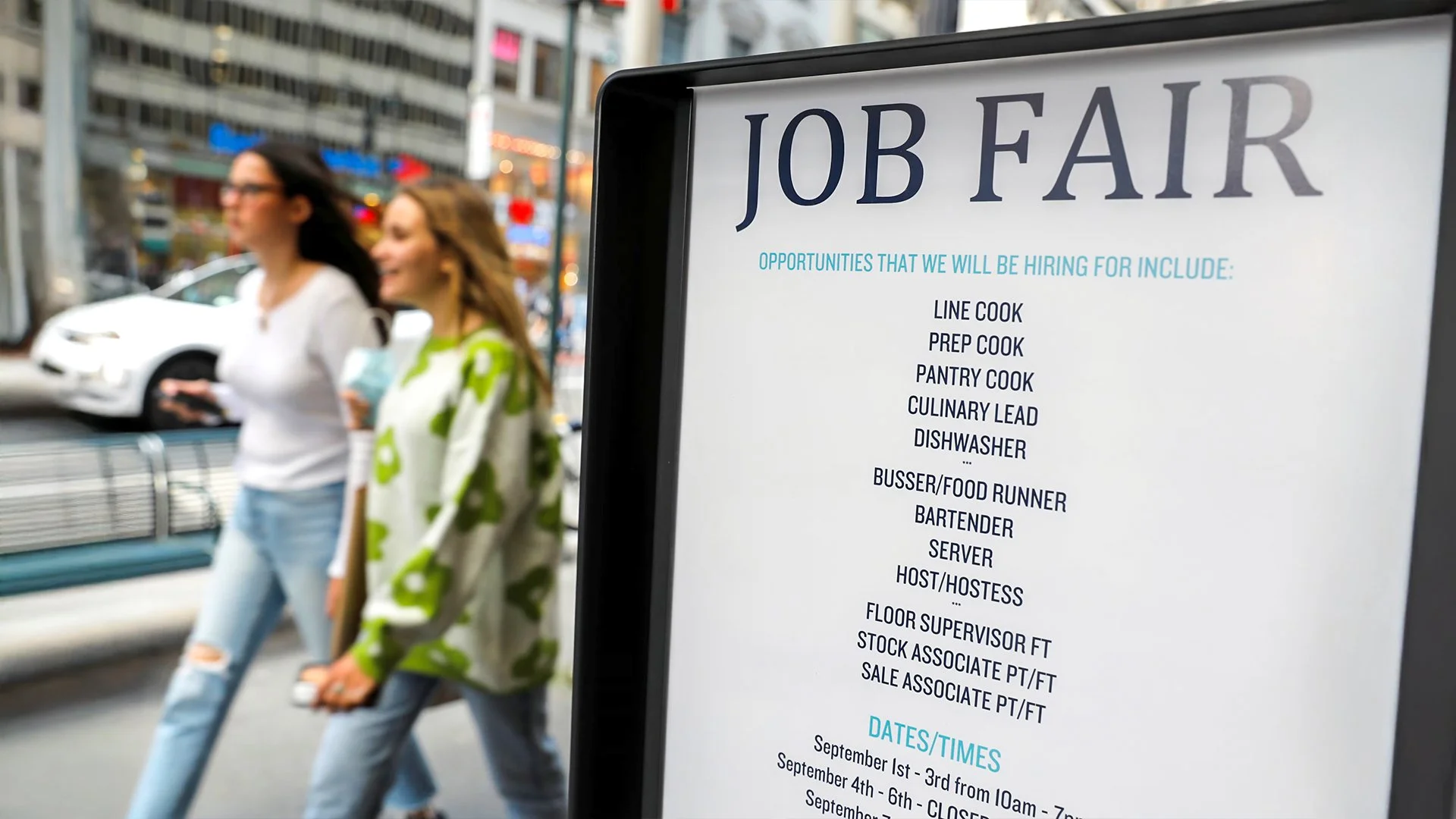
ADP Report Shows 42,000 Jobs Added in October — A Cautious Rebound for the U.S. Labor Market
The latest ADP® National Employment Report, released by Automatic Data Processing, Inc. (ADP), showed that private U.S. employers added 42,000 jobs in October, marking the first positive reading since July.

U.S. Services PMI Rises to 52.4% in October — Growth Returns, But Job Weakness Clouds Outlook
After hovering near the edge of contraction last month, the U.S. services industry bounced back in October 2025, with the ISM® Services PMI® climbing to 52.4% — a solid return to growth.

U.S. Shutdown Nears Possible End: What a 34-Day Government Standoff Means for the Dollar and Global Forex Traders
After more than a month of political gridlock, the U.S. government shutdown—now one of the longest in history—finally shows signs of easing.

Dollar Surges on Rate Doubts and Safety Play While Pound Takes a Hit
The U.S. dollar rose to a four-month high against the euro, driven by uncertainty over further Federal Reserve rate cuts and a classic safe-haven move. After last week’s Fed rate cut, officials sent mixed signals about whether another cut will happen in December.

U.S. Manufacturing PMI Slips to 48.7% — Is America’s Factory Slowdown a Warning or a Forex Opportunity?
Economic activity in the U.S. manufacturing sector contracted again in October 2025, marking the eighth consecutive month of decline. According to the Institute for Supply Management (ISM®), the Manufacturing PMI® registered at 48.7%, down from 49.1% in September

Trump’s Peace and Trade Push in Asia: How Rare Earth Deals Could Shake Up the USD/THB and USD/JPY Pairs
Former U.S. President Donald Trump made headlines again after announcing that he signed major trade and rare earth agreements, alongside brokering a peace treaty between Thailand and Cambodia. Following the announcement, Trump wrote:

RBA Governor Bullock Hints at Possible Rate Cuts: What It Means for the AUD/USD Pair
In recent remarks, Treasury Secretary Scott Bessent revealed that the People’s Republic of China may be ready to reach a trade agreement with the United States — a development that carries significant implications for global markets and the Federal Reserve’s monetary stance.

Trump’s Japan Defense Deal: Could This Strengthen the USD/JPY Pair?
Former U.S. President Donald Trump recently emphasized that Japan has placed significant orders for U.S. military equipment, describing the two countries’ relationship as “stronger than ever.” He further highlighted that the U.S.-Japan trade deal—forged during his administration—was a “highly fair agreement” benefiting both nations.

U.S. Producer Prices in Focus Ahead of September 10 Release
The Bureau of Labor Statistics will release its Producer Price Index (PPI) on September 10, 2025, covering August data. This isn’t just another economic figure buried in the calendar. For traders, investors, and policymakers, the PPI offers one of the earliest monthly snapshots of inflation, and its influence can ripple across currencies, bonds, stocks, and commodities.

U.S. Services PMI Surges: Can the Dollar Keep Its Edge in Forex?
The U.S. services sector just gave traders something to think about. The Institute for Supply Management (ISM) reported that its Services PMI climbed to 52.0 in August, the highest since February.

Rising U.S. Wages: Will the Dollar Dominate in Forex This September?
The U.S. job market is back in the spotlight—this time with a focus on wages, not just jobs. The Bureau of Labor Statistics (BLS) is about to release its latest report on labor costs, officially called the Employment Cost Index (ECI). This number tracks how much businesses are paying their workers, and for Forex traders, it’s a powerful clue about inflation, interest rates, and the strength of the U.S. Dollar (USD).

U.S. Non-Farm Payrolls: Will September’s Jobs Data Give the Dollar a Boost?
Donald Trump’s second inauguration promises a Golden Age for America. His bold vision includes economic revival, national security reforms, and a unifying path for the nation’s future.
Payroll Revisions Explained: How Delayed Data Shapes Fed Decisions
Every month, the U.S. releases payroll data—a key measure of how many jobs were added or lost. But here’s the catch: those numbers often get revised weeks or months later. These revisions may sound small, but they can shift how the Federal Reserve views the economy and decides on interest rates.

Understanding Neutral Policy: What Waller Means by Moving Interest Rates Toward Neutral
Federal Reserve Governor Christopher Waller recently signaled that U.S. monetary policy is moving toward a neutral stance. But what does that really mean, and why should Forex traders—even beginners—pay attention?

Why Today’s U.S. Jobless Claims Data Could Shake the Dollar
The U.S. Department of Labor is releasing its weekly Jobless Claims report today, Thursday, August 28, 2025. This closely watched release measures how many Americans filed for unemployment benefits for the first time during the past week.