

ADP Report Shows 42,000 Jobs Added in October — A Cautious Rebound for the U.S. Labor Market
A Fragile Recovery in U.S. Hiring
The latest ADP® National Employment Report, released by Automatic Data Processing, Inc. (ADP), showed that private U.S. employers added 42,000 jobs in October, marking the first positive reading since July.
While this is technically good news, the modest size of the rebound suggests that the U.S. job market is stabilizing rather than accelerating. For Forex traders, this means that while the U.S. economy isn’t shrinking, it’s also not showing the kind of job growth that typically strengthens the U.S. Dollar (USD).
ADP’s report acts as an early indicator of labor trends, coming out just two days before the official U.S. Nonfarm Payrolls (NFP) data. Traders often treat this release as a sneak preview of what to expect from the government report — and it can move markets when results surprise.
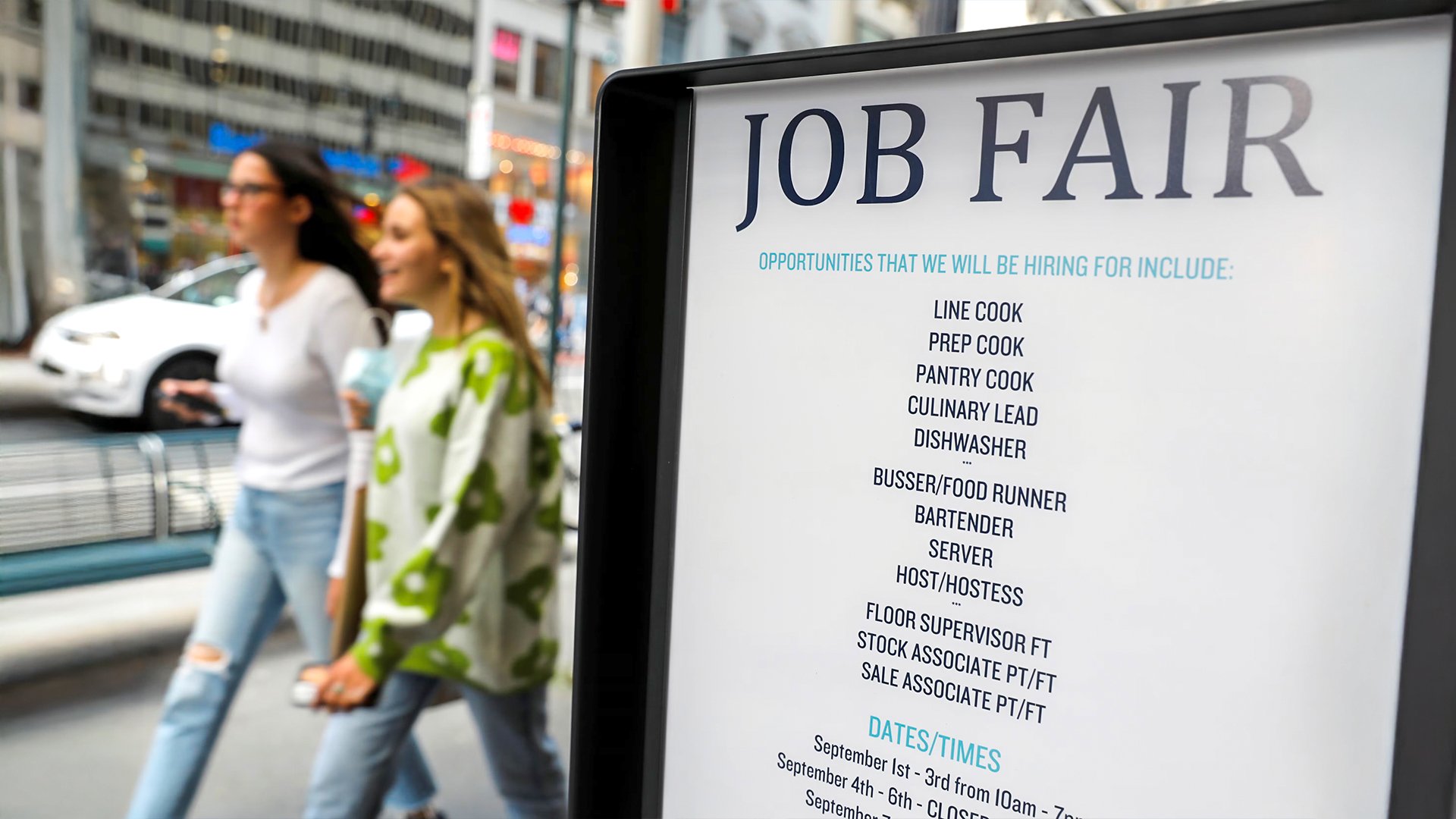
Where the Jobs Are (and Aren’t)
According to ADP Chief Economist Dr. Nela Richardson, job growth in October was “modest and concentrated in a few key sectors.”
Here’s the breakdown:
● Gaining Sectors:
Education and Health Care: Continued strong hiring driven by demand for medical and support staff.
Trade, Transportation, and Utilities: Benefiting from seasonal logistics and consumer-related activity.
● Losing Sectors:
Professional and Business Services
Information Technology
Leisure and Hospitality
This mixed performance paints a picture of an economy where growth is uneven, and consumer-facing industries are struggling to regain momentum.
What This Means for Forex Traders
For those trading in Forex markets, especially pairs like EUR/USD, USD/JPY, or GBP/USD, the ADP report is a key short-term driver of USD volatility.
Here’s why:
“Actual > Forecast” → Bullish for USD: More jobs mean stronger economic momentum, which could support higher interest rates or delay future rate cuts by the Federal Reserve.
“Actual < Forecast” → Bearish for USD: Fewer jobs indicate economic softness, increasing the likelihood of looser monetary policy — which can weaken the dollar.
In this case, the 42,000 increase is small compared to historical averages, suggesting a neutral-to-slightly-dovish tone for the U.S. Dollar. Traders might interpret this as a sign that the Fed’s rate-cut path could remain on schedule, unless November’s NFP data shows a stronger rebound.
A Balanced Labor Market — But Flat Pay Growth
ADP’s report also highlighted that pay growth has been flat for over a year, signaling that the post-pandemic wage boom has cooled.
This means workers aren’t seeing major raises, but employers aren’t cutting wages either — a sign that the job market is balanced, not overheating or collapsing.
For Forex Trading beginners, stable pay growth usually supports low inflation, which can limit central bank tightening. That’s another reason traders expect U.S. interest rates to stay steady or decline gradually in 2026.
Looking Ahead: NFP and Beyond
The ADP report sets the tone for the official U.S. Nonfarm Payrolls announcement later this week.
If the government’s data confirms a similar trend — slow but positive job creation — the markets may interpret it as a “soft landing” scenario for the U.S. economy.
Forex traders should keep an eye on:
The NFP headline number (total jobs added or lost)
The unemployment rate
The average hourly earnings data
Together, these will determine whether the U.S. Dollar holds steady or faces renewed selling pressure.


Why This Matters to Filipino Traders
For Filipino Forex traders, understanding reports like ADP’s is essential. The U.S. Dollar influences almost every currency pair, including USD/JPY, EUR/USD, and even emerging market currencies.
A weaker U.S. job market could lead to short-term volatility — offering opportunities for both scalpers and swing traders. Meanwhile, stable wage and hiring data may indicate slower but steadier trends, ideal for position traders who prefer long-term moves.
Learning how to read economic indicators like the ADP report helps traders predict how major currencies might behave ahead of crucial events like the Fed’s policy meetings.
Join Our Free Forex Workshop
Want to learn how to analyze reports like ADP’s and anticipate currency moves before they happen?
Join GME Academy’s free Forex Trading workshop — and start mastering the strategies that help you trade confidently in real-world market conditions.
