

Shutdown Showdown: Trump Demands Immediate House Action to End Federal Stoppage
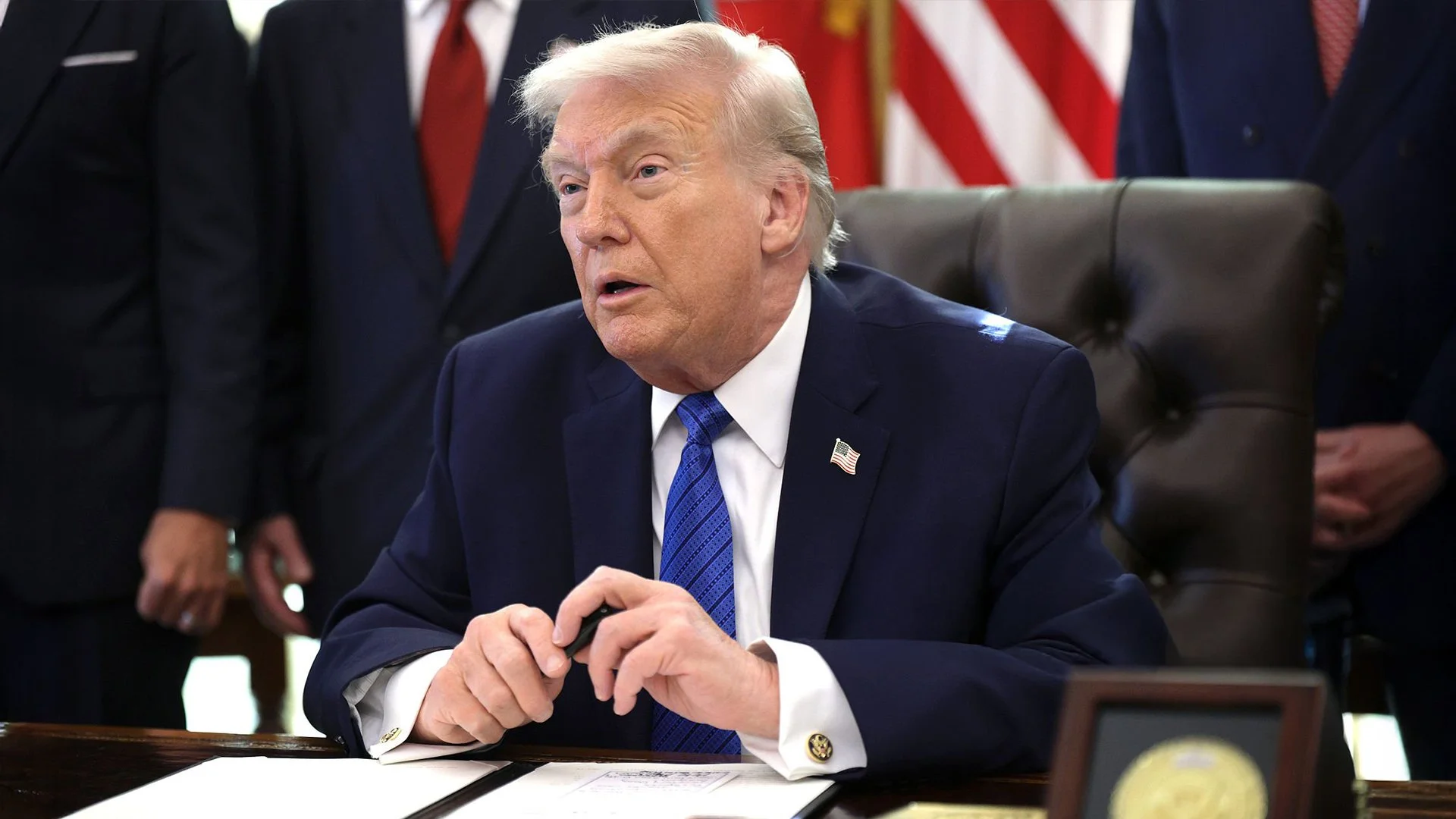
In a high-stakes moment for the U.S. government, President Donald Trump issued a stern ultimatum to the House of Representatives on Monday, February 2, 2026, demanding the immediate passage of a Senate-backed funding package to end the ongoing partial government shutdown. The President’s message, delivered via Truth Social, warned that the nation cannot endure "another long, pointless, and destructive shutdown" that would serve neither party’s interests.
The partial shutdown began at midnight on Saturday, January 31, 2026, after a breakdown in negotiations over Department of Homeland Security (DHS) funding. At the GME Academy, we are tracking this closely, as government shutdowns are major volatility events for the US Dollar (USD) and S&P 500 futures.
1. The Senate Deal: A Bipartisan Breakthrough
On Friday evening, the Senate passed a significant funding package in a 71-29 vote. This agreement, brokered between the White House and Senate Minority Leader Chuck Schumer, aims to stabilize the majority of federal operations through September 30.
The Strategy: The deal funds five major departments—including Defense, Labor, and Health and Human Services—while separating the controversial DHS funding into a two-week stopgap.
The Goal: This "split" allows the government to reopen immediately while giving lawmakers fourteen days to negotiate reforms for Immigration and Customs Enforcement (ICE) following national outcry over recent federal enforcement actions in Minneapolis.
2. The House Hurdle: Speaker Johnson’s Tightrope
Despite the Senate’s bipartisan support, Speaker Mike Johnson faces a razor-thin majority and a vocal conservative wing.
The Pressure: Some House Republicans, including members of the Freedom Caucus, have expressed frustration over the DHS stopgap, with some threatening to vote against the "rule" required to bring the bill to the floor.
The "No Changes" Rule: President Trump’s latest statement was a direct message to these dissenters. By stating there can be "NO CHANGES at this time," the President is putting his full weight behind Speaker Johnson to pass the Senate version exactly as written to avoid further delays.
3. Market Impact: Trading the "Reopening Rally".
For Forex Trading, a government shutdown is typically "Dollar Negative" due to the uncertainty and the potential hit to GDP growth.
DXY Volatility: The Dollar Index (DXY) saw a slight softening on Monday as the shutdown entered its third day. However, Trump’s aggressive push for a Tuesday resolution has kept a "floor" under the currency.
Gold as a Hedge: Gold prices saw a minor uptick over the weekend as investors sought safe-haven assets. If the House vote on Tuesday fails, expect a sharper spike in XAU/USD.
Economic Data Delay: One of the biggest risks of a shutdown for traders is the suspension of data releases (like Non-Farm Payrolls). A quick resolution on Tuesday would ensure these market-moving reports stay on schedule.


The GME Academy Analysis: "Politics vs. The Purse"
At Global Markets Eruditio, we remind our traders that while political rhetoric is loud, the "institutional will" to avoid a long-term shutdown in 2026 is high. The memory of the 43-day impasse in late 2025 is still fresh, and neither party wants to be blamed for a Repeat Performance.
Are You Ready for the Tuesday Vote? The House floor vote on Tuesday will be the most significant market event of the week. If the bill passes, the USD is likely to experience a "Relief Rally." If it fails, we are entering uncharted territory for the first quarter of 2026.
Join our FREE Forex Workshop. Learn how to trade "Political Risk." We’ll show you how to set your stops during government shutdowns and how to interpret President Trump’s social media posts as "Sentiment Indicators" for your trading strategy.
