

The Greenland Gambit: Trump’s New Tariff Wall on Europe
In a move that has sent shockwaves from the Arctic Circle to the financial hubs of London and Paris, President Donald J. Trump has announced a sweeping new trade offensive. The target: eight European nations that have reportedly resisted his long-standing ambition to acquire Greenland.
Starting February 1st, 2026, goods from Denmark, Norway, Sweden, France, Germany, The United Kingdom, The Netherlands, and Finland will be hit with a 10% tariff. This levy is scheduled to jump to 25% on June 1st, remaining in place until a deal is reached for the "Complete and Total purchase of Greenland."
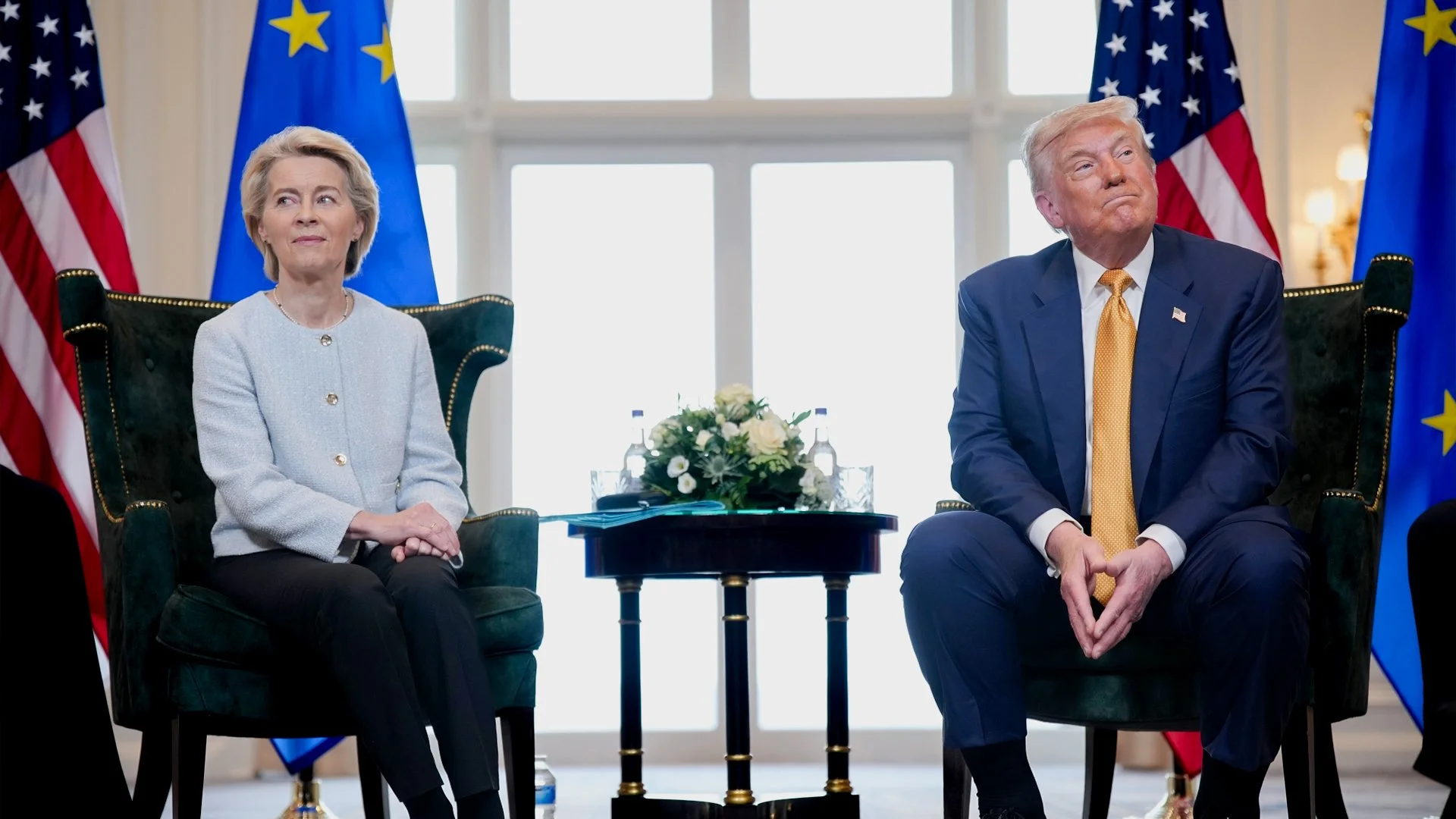
Geopolitics Meets the "Golden Dome"
The President’s rationale for this aggressive maneuver blends national security with high-stakes real estate. Citing the development of the "Golden Dome"—a sophisticated offensive and defensive missile system—the administration argues that Greenland is geographically essential for maximum efficiency.
"World Peace is at stake!" the President declared, asserting that only the United States can protect the territory from the interests of China and Russia.
The announcement specifically calls out the recent "journey" of European allies to the island for "purposes unknown," framing their presence as a threat to global stability.
Market Impact: A Storm for the Euro and Pound
For those practicing Forex trading for beginners, this is a masterclass in how political "flashpoints" drive currency volatility. The immediate reaction in the Forex markets saw a significant "risk-off" sentiment.
1. The Squeeze on the EUR/USD
The Euro (EUR) faced immediate pressure as traders weighed the impact of a 10% (and eventually 25%) tax on major economies like Germany and France. Analysts at Global Markets Eruditio suggest that these tariffs could shave significant percentage points off the Eurozone’s GDP, potentially forcing the European Central Bank (ECB) to adopt a more "dovish" stance to counteract the economic drag.
2. The British Pound (GBP) Under Fire
The United Kingdom was notably included in the tariff list, a move that caught many by surprise given recent trade discussions. The GBP/USD pair saw a sharp dip following the news, as the UK’s export sector braces for a potential 25% barrier to the lucrative American market by summer.
3. Safe Haven Inflows
As uncertainty grows, the US Dollar (USD) has paradoxically strengthened against the targeted currencies, acting as a "safe haven" despite being the source of the trade tension. Similarly, investors have flocked to gold and the Japanese Yen (JPY) as defensive hedges.
The "Dogsled" Defense and the Price of Refusal
The President’s critique of Denmark’s current defense capabilities—mentioning their "two dogsleds" for protection—underscores his belief that European allies have been "subsidized" by the U.S. for too long.
However, the retaliatory potential is high. The European Union has already signaled that it stands in "full solidarity" with Denmark, with leaders in France and Germany weighing "anti-coercion" instruments. This could mean a mirror-image tariff on American goods, escalating a localized dispute into a full-scale transatlantic trade war.

Navigating the Trade War with GME Academy
At the GME Academy (Global Markets Eruditio), we teach that the most profitable traders are those who can filter through the noise of social media posts to find the underlying economic reality. Whether it is the CAD fluctuating on oil news or the EUR/USD reacting to Greenland headlines, the mechanics of the market remain the same: Volatility is an opportunity for the prepared.
The next few months will be critical for anyone holding positions in European or British assets. Understanding "metes and bounds" in a legal sense is one thing—understanding them on a price chart is another.
Are you prepared for the "February 1st" shift?
Join our FREE Forex Workshop this week. We will break down the specific impact of these new tariffs on the USD, EUR, and GBP, and show you how to set up your portfolio to weather the coming geopolitical storm.
