

The Irony of Closeness: Why Kevin Hassett’s Fed Candidacy Is Facing a White House Backlash
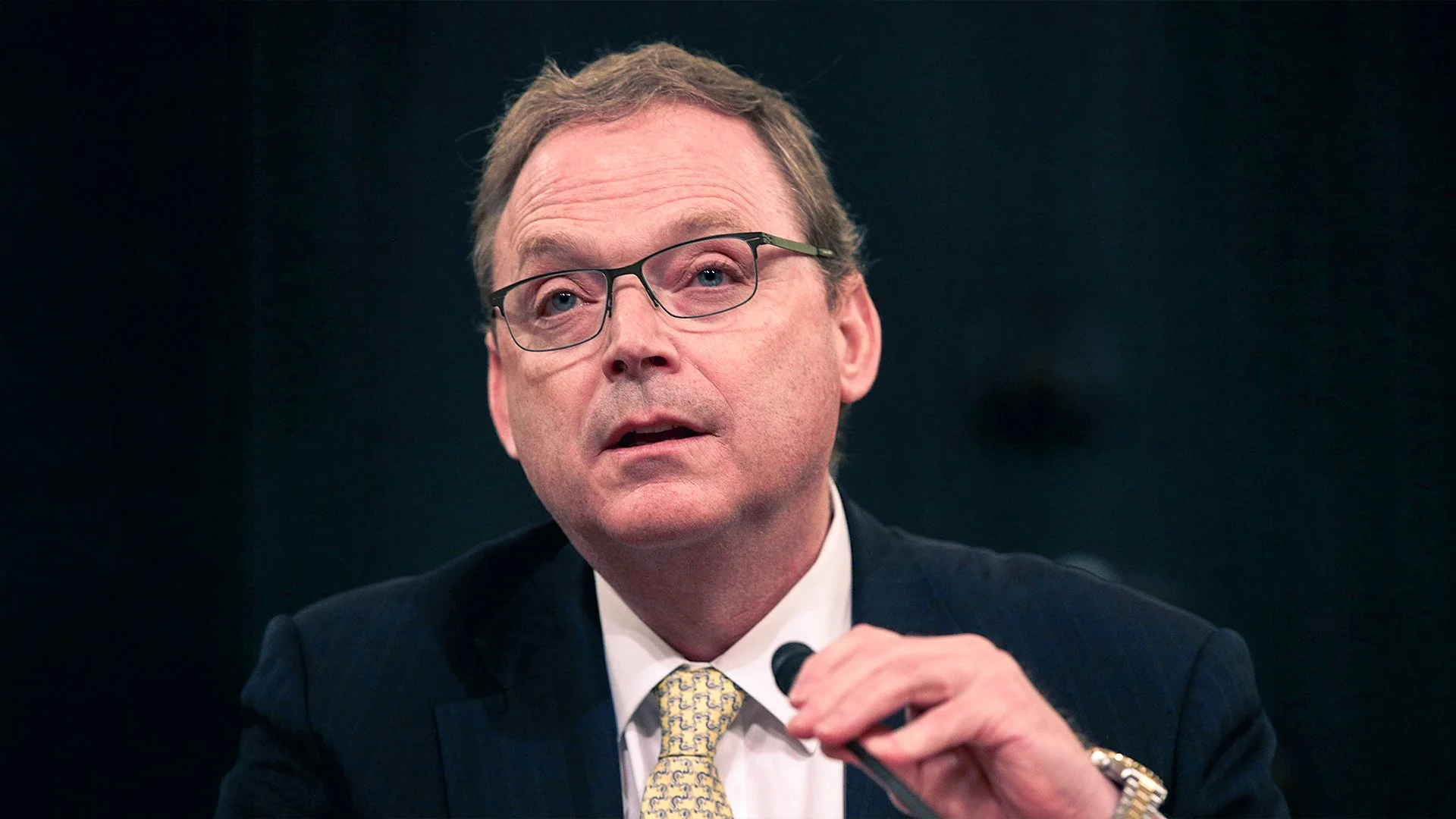
The race for the next Federal Reserve Chair has taken a dramatic turn, as Kevin Hassett, once the market's frontrunner due to his close relationship with President Donald Trump, is now facing pushback from within the President's inner circle. High-level sources report that some Trump allies are concerned that Hassett’s very proximity to the White House could ultimately jeopardize the Federal Reserve’s independence, a perception that could negatively impact the US Dollar (USD) and bond markets.
This development, which has seen the once dark-horse candidate, former Fed Governor Kevin Warsh, surge in the prediction markets, underscores the intense tension between political loyalty and the central bank's critical need for credibility. For practitioners of Global Markets Eruditio, this dynamic introduces a significant political risk premium into the valuation of USD assets.
The Double-Edged Sword of Loyalty
Hassett, the current National Economic Council Director, initially rose to prominence among the candidates largely because he shared the President's view that interest rates should be sharply lower than the current level (around 3.6%) and was seen as a reliable voice for this position.
The Pushback Rationale
The recent internal resistance, however, centers on a perverse irony:
Independence Concern: Some senior figures close to President Trump are worried that if Hassett is appointed, the bond market could revolt over time. The fear is that investors may perceive Hassett as too much "in the pocket of Trump," raising long-term concerns about the Fed's willingness to fight inflation should it rebound down the road.
Opposite Effect: This lack of perceived independence could lead to the opposite outcome of the President’s desire for lower rates. If long-term investors anticipate a less credible Fed, they may demand a higher inflation risk premium on US debt, causing long-term yields to rise, thereby tightening financial conditions unexpectedly.
This concern explains the recent surprise in the nomination process, where candidate interviews were temporarily stalled before being rescheduled.
The Rival: The Rise of Kevin Warsh
The pushback has largely taken the form of actively promoting Kevin Warsh. Warsh, a former Fed Governor, has seen his odds on the Kalshi prediction market soar, challenging Hassett's long-held position as the favorite. Even influential figures like JPMorgan CEO Jamie Dimon have been seen to speak favorably of Warsh, adding further weight to his candidacy.
President Trump himself acknowledged the narrowed field, telling the Wall Street Journal, "I think the two Kevins are great," solidifying the race as a two-person contest to succeed current Chair Jerome Powell.


The Rebuttal: Hassett's Defense of Independence
Perhaps in direct response to the market rumors and internal criticism, Hassett made a strong public defense of central bank autonomy during a CBS News interview.
"No Weight": When asked if the President’s opinions would carry the same weight as a voting member of the Federal Open Market Committee (FOMC), Hassett was clear: “No, no, he would have no weight.”
Data Over Preference: Hassett emphasized that the President’s input only "matters if it’s good, you know, if it’s based on data," and that ultimately, the FOMC would vote according to its own consensus, concluding, “In the end, the job of the Fed is to be independent.”
This strategic positioning attempts to mitigate the "political pawn" label by asserting the primacy of the FOMC's consensus and data-driven approach, a critical factor for USD stability in global markets.
Forex Trading: The USD and the Independence Premium
The Fed Chair race is a paramount issue for Forex Trading, directly impacting the valuation of the US Dollar (USD) against pairs like EUR/USD and USD/JPY.
The Credibility Factor: The market assigns a "credibility premium" to the USD based on the belief that the Fed will take unpopular steps (like hiking rates) to contain inflation. Any sign of political interference—such as the appointment of a Chair perceived as too beholden to the White House—erodes this premium, potentially leading to USD weakness and higher long-term borrowing costs.
Warsh vs. Hassett Trade: While both candidates are generally viewed as supportive of lower rates than Powell, the internal pushback against Hassett benefits Warsh. If Warsh is perceived as being slightly more independent or structurally hawkish (given his past views), his appointment could stabilize long-term inflation expectations and provide better structural support for the USD.
The market will be hypersensitive to the final decision, treating it as a key indicator of whether the world's most powerful central bank will maintain its hard-won political distance.
Are You Ready to Price in the Political Risk of the Next Fed Chair?
The internal debate over Kevin Hassett’s candidacy highlights the high stakes of Federal Reserve independence for the US Dollar's future. The outcome will be a defining moment for US monetary policy.
Master the skill of translating high-stakes political intrigue into actionable currency trades.
Join the GME Academy community today and sign up for our FREE Forex Workshop to learn how to analyze the impact of Fed Chair nominations on the USD/JPY and EUR/USD currency pairs, securing a comprehensive understanding of the forces that move the market.
