

BOE’s Balancing Act: Why the Bank of England Is Holding Fire Ahead of the UK Budget
Markets Brace for a Pause in Policy Easing
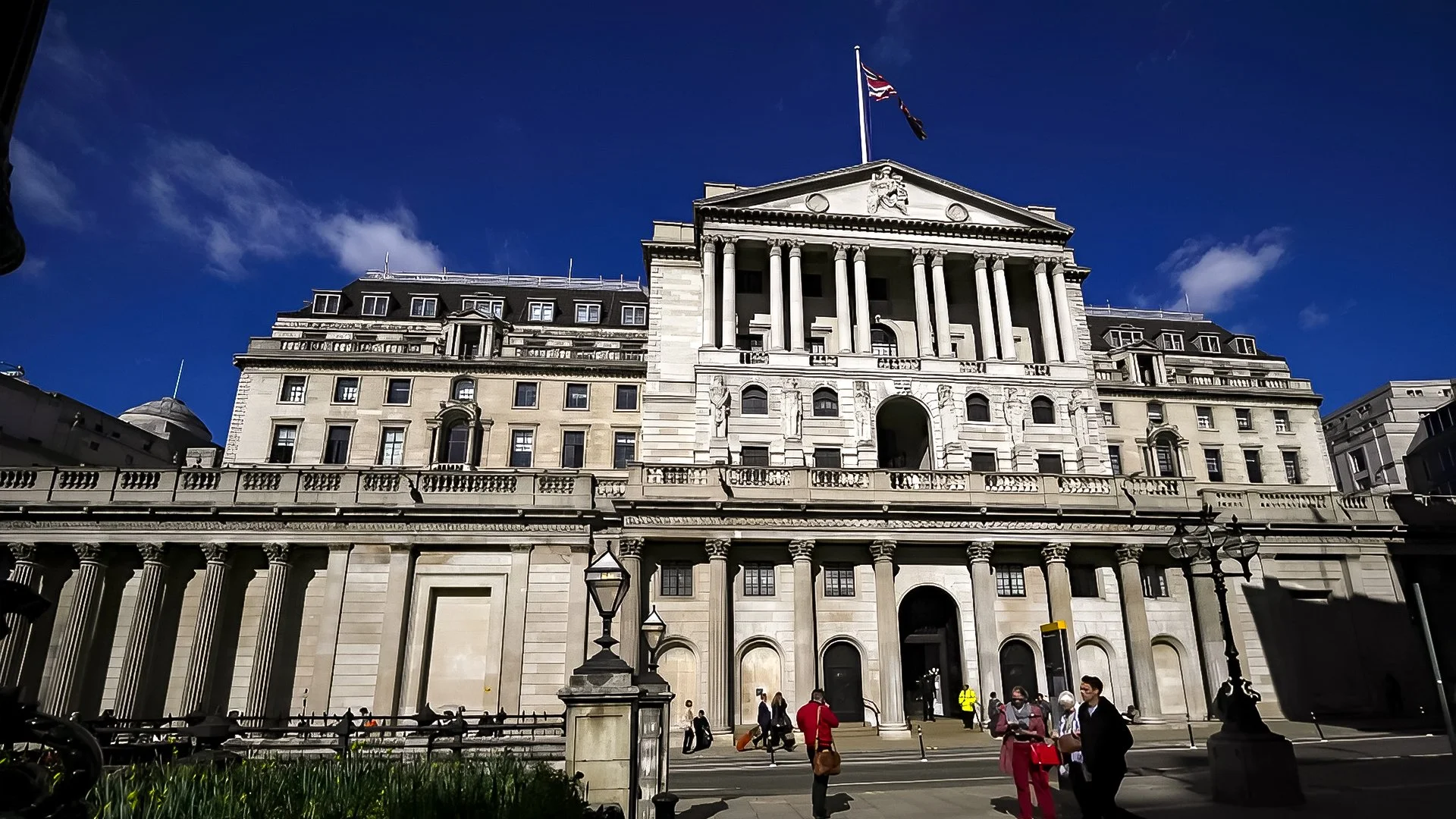
The Bank of England (BOE) is expected to hold interest rates steady at 4% during its upcoming policy meeting on Thursday, marking a notable pause in its gradual, once-a-quarter pace of easing that has continued for more than a year.
With UK inflation still hovering near twice the 2% target and the autumn budget set for November 26, central bank policymakers appear cautious about making any moves that could reignite price pressures or complicate fiscal decisions.
Economists and traders across global markets are closely watching this meeting—not only for its implications on British monetary policy, but also for how it could shape sentiment toward the British pound (GBP) in the Forex market.
Why the BOE Is Holding Back
While the BOE has cut rates several times since 2024 to help revive economic growth, persistent inflation has forced policymakers to slow down the pace of easing. Headline inflation has eased from last year’s highs, but core inflation, which excludes volatile food and energy prices, remains stubbornly elevated.
This combination has created a policy dilemma for BOE Governor Andrew Bailey and his Monetary Policy Committee (MPC). Cutting rates too soon could weaken the pound, raise import costs, and risk another inflation spike—while holding rates too long could stall growth and hurt business investment.
In essence, the central bank is navigating between inflation control and economic support, two forces pulling in opposite directions. With fiscal announcements just weeks away, the BOE likely prefers to wait and see how the UK government’s autumn budget influences the broader economic outlook.
How the UK Budget Shapes the BOE’s Strategy
The timing of this policy meeting is especially sensitive. The UK autumn budget, set for November 26, will provide updated fiscal measures that could directly affect the central bank’s next steps. If the government introduces stimulus measures, such as increased public spending or tax cuts, the BOE may hold rates higher for longer to prevent overheating.
Conversely, if the budget signals fiscal restraint, monetary policymakers may feel more comfortable loosening financial conditions in early 2026.
As one London-based analyst put it, “The BOE doesn’t want to move blind before it knows what fiscal support—or tightening—is coming. The budget and the rate path are now tightly intertwined.”
Forex Market Implications: GBP/USD and EUR/GBP in Focus
The BOE’s likely decision to hold rates has sparked anticipation across the Forex trading community, particularly among those watching GBP/USD and EUR/GBP pairs.
A rate hold is generally neutral to slightly positive for the British pound, as it signals the central bank’s commitment to keeping inflation in check. However, traders are also pricing in the possibility that the BOE could resume modest rate cuts in Q1 2026, depending on incoming inflation data.
For Forex traders, the key takeaway is to track how BOE statements align—or clash—with fiscal policy signals from the UK Treasury. If the tone is more hawkish than expected, the pound could strengthen sharply against the USD and EUR, offering short-term trading opportunities.
At Global Markets Eruditio (GME Academy), we often emphasize that central bank communication is one of the most powerful drivers of currency volatility. For Forex trading beginners, this is an ideal time to learn how interest rate expectations, inflation data, and policy guidance converge to shape price movements in major currency pairs.
Global Context: Comparing Central Banks’ Paths
While the BOE treads carefully, other major central banks are facing similar crossroads. The Federal Reserve (Fed) recently signaled caution about further rate cuts amid sticky U.S. inflation, while the European Central Bank (ECB) is balancing between slowing growth and maintaining price stability.
This divergence in policy timing across the UK, U.S., and Eurozone could lead to heightened volatility in Forex markets, especially for traders tracking cross pairs like EUR/GBP and GBP/USD.
As inflation and growth trends differ across regions, currency correlations may weaken, rewarding traders who understand macroeconomic fundamentals rather than relying solely on technical analysis.


What Traders Should Watch Next
BOE Statement and MPC Vote Breakdown – Pay attention to how many committee members vote for or against holding rates. A narrow split could hint at a policy shift in the next meeting.
Autumn Budget Announcements (Nov. 26) – Fiscal direction will determine whether the BOE can safely resume easing early next year.
Inflation and Wage Data – These will be key indicators for how close the BOE is to meeting its target and how the market prices in future rate moves.
For Forex traders, this period is rich with opportunity—but it demands discipline, risk management, and a solid understanding of economic indicators.
Patience Before Policy Shifts
The Bank of England’s expected rate hold is not a sign of indecision—it’s a signal of strategic patience. With inflation still sticky and fiscal policy in flux, the BOE is buying time to make better-informed moves in early 2026.
For traders, that means one thing: volatility and opportunity. Whether you’re trading GBP/USD, EUR/GBP, or other major pairs, understanding how central bank decisions interact with fiscal policy can give you a decisive edge.
At GME Academy, we help you develop that edge—combining macro insights with practical trading strategy.
Join our FREE Forex Workshop today to learn how to trade with confidence and turn global policy shifts into profitable decisions.
