

Fed’s Goolsbee Faces a Dilemma: Will Inflation Stop the Next Rate Cut?
Cautious Signals from the Chicago Fed
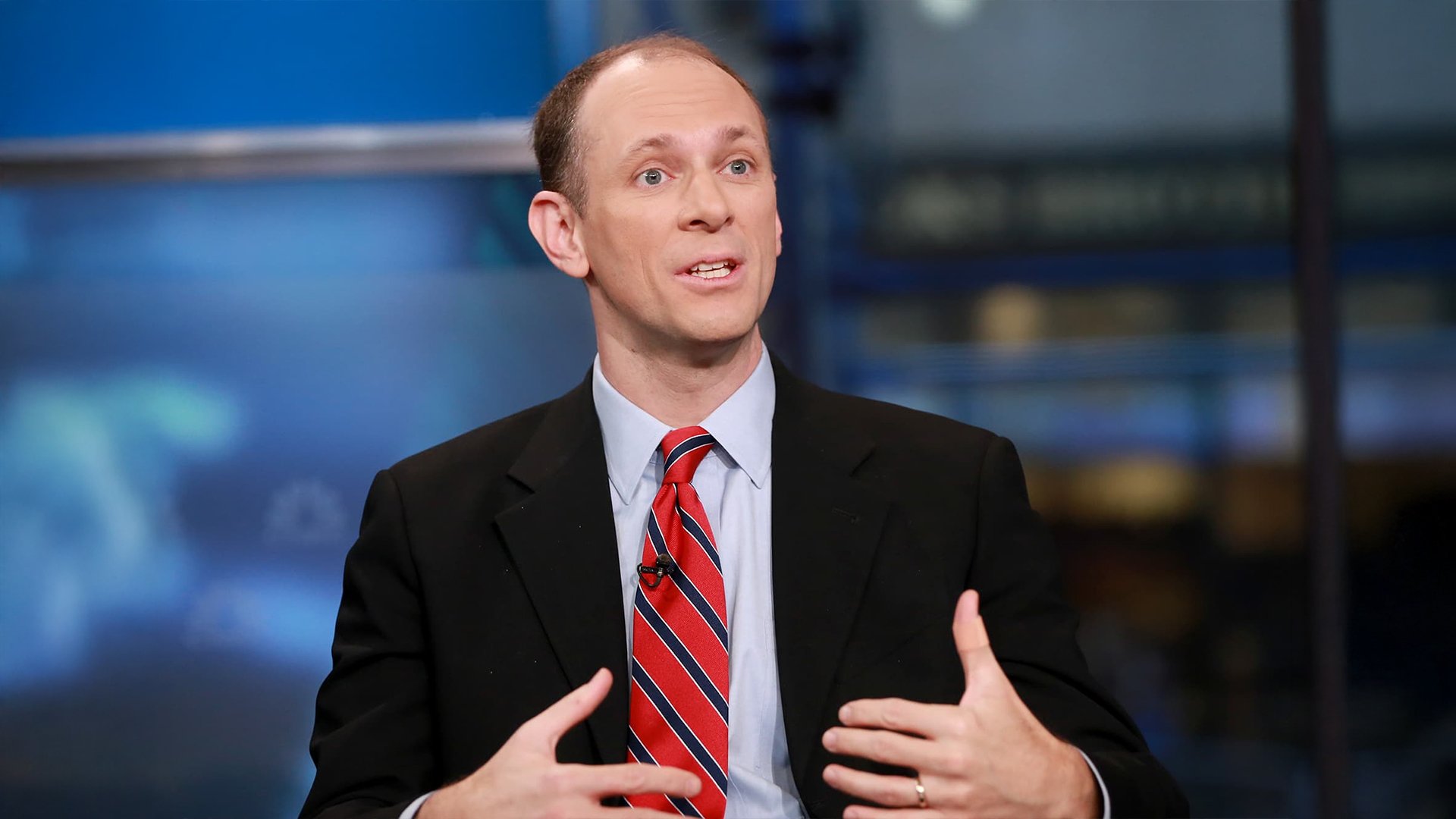
The debate within the Federal Reserve has intensified as policymakers weigh the next move for U.S. interest rates. This week, Austan Goolsbee, President of the Federal Reserve Bank of Chicago, revealed that he’s undecided about supporting another rate cut in December, expressing growing concerns about persistent inflation pressures that remain above the Fed’s 2% target.
In his interview with Yahoo Finance, Goolsbee stated, “I’m not decided going into the December meeting,” adding that his “threshold for cutting is a little bit higher than it was at the last two meetings.” His remarks came shortly after the Federal Open Market Committee (FOMC) decided to lower the federal funds rate by 25 basis points, setting the range between 3.75% and 4.00%.
This move was widely expected as the Fed sought to cushion the economy from rising labor market risks, but Goolsbee’s cautious tone now suggests that further easing may not be guaranteed. With inflation “trending the wrong way,” the central bank appears ready to pause and assess incoming data before making another move.
Inflation Concerns vs. Economic Slowdown
For nearly five years, U.S. inflation has hovered above the 2% benchmark, challenging the Fed’s credibility and complicating policy decisions. Goolsbee admitted he’s “nervous about the inflation side of the ledger,” emphasizing that price pressures are proving stubborn even after months of rate adjustments.
The Federal Reserve’s balancing act—supporting growth without reigniting inflation—has become increasingly delicate. Fed Chair Jerome Powell echoed this sentiment last week, saying that “a further reduction in the policy rate at the December meeting is not a foregone conclusion.” Powell stressed that monetary policy is “not on a preset course,” a statement that underscores the Fed’s data-dependent approach moving forward.
Meanwhile, the U.S. job market shows mixed signals. Some sectors are cooling, while others remain strong, leading to uncertainty about the true state of the economy. The recent government shutdown has made the situation even murkier by delaying critical reports on employment and inflation. “We have the data shutdown, we’re getting some information about the job market, and we have very little private sector information about inflation,” Goolsbee said. “So I think we want to be wary.”
Implications for the Forex Market
For those engaged in Forex trading, Goolsbee’s comments add another layer of complexity to the outlook for the U.S. dollar (USD). Traders are now questioning whether the Fed’s cautious stance could strengthen or weaken the USD in the near term.
If the Fed delays rate cuts, it could support the dollar, especially against currencies like the EUR/USD and GBP/USD, as higher interest rate differentials typically attract investors seeking yield. Conversely, a surprise rate cut in December might weaken the USD, sparking rallies in risk-sensitive currencies and commodities.
For Forex trading beginners, this situation is an opportunity to learn how monetary policy directly influences currency pairs. Each statement from a central bank official—especially one like Goolsbee—can move markets within seconds. Understanding this relationship is essential for developing a strategic trading mindset, rather than relying on pure speculation.
At Global Markets Eruditio (GME Academy), we emphasize the importance of connecting economic fundamentals with market movements. Goolsbee’s remarks serve as a perfect case study for how central bank communication affects trading sentiment, liquidity, and currency volatility across the global markets.
The Data Dilemma: Waiting for Clarity
Goolsbee also warned against “front-loading” rate cuts without sufficient data. With critical economic indicators delayed, the Fed risks making decisions with limited visibility. “Rates can come down a fair amount,” he said, “but it would probably be most judicious to have the rates come down with inflation.”
This pragmatic view aligns with a broader sentiment across the FOMC—act cautiously until inflation shows consistent moderation. Until then, the markets are likely to remain volatile, with traders closely monitoring Fed statements, inflation data, and employment figures for hints of the next move.
Looking Ahead
As the December FOMC meeting approaches, investors and Forex traders alike are preparing for another round of uncertainty. Whether the Fed decides to hold or cut again, one thing is clear: data will drive every decision.
For Forex traders, this period presents both opportunity and risk—a reminder that staying informed is the most powerful tool in navigating unpredictable markets. The interplay between inflation data, interest rate expectations, and global sentiment will continue to shape the USD’s performance against major currency pairs like EUR/USD, GBP/USD, and USD/JPY.

Stay Ahead with the Right Knowledge
Goolsbee’s caution highlights a critical truth for every trader: the Forex market moves on expectations, not just decisions. Understanding the reasoning behind central bank actions—whether hawkish or dovish—can mean the difference between catching a trend and missing it entirely.
At GME Academy, we help traders of all levels decode these complex market signals and translate them into actionable trading strategies. Learn how Fed policy shifts influence currency strength, volatility, and momentum in real-time.
Join our FREE Forex Workshop today and gain the insights you need to trade with confidence in a changing market.
