

Price Pressures Re-Ignite: Philippine Inflation Hits 11-Month High of 2.0% in January
The Philippine economy faced a fresh wave of price pressures to start the year, with the national inflation rate climbing to 2.0% in January 2026. Reported by the Philippine Statistics Authority (PSA) on Thursday, February 5, this 11-month high marks a shift from the sub-2% levels seen throughout most of late 2025.
For the GME Academy, this is a critical pivot point. For the first time since February 2025, inflation has touched the lower end of the Bangko Sentral ng Pilipinas (BSP) 2% to 4% target range. While still manageable, the acceleration complicates the central bank's "easing" narrative just weeks before its next policy meeting.
1. The Drivers: Why Life Got More Expensive
The primary culprit behind the January surge wasn't food, but the "Big Four" of utility costs: Housing, Water, Electricity, and Gas.
Housing and Utilities: This sector saw a significant jump to 3.3% inflation, up from 2.5% in December. National Statistician Claire Dennis Mapa noted that January often brings annual rental adjustments, which—coupled with higher water and toll rates—pushed the "cost of living" higher.
Core Inflation Creep: Core inflation, which strips out volatile food and energy items, quickened to 2.8%. This suggests that price hikes are becoming more "sticky" across the broader economy.
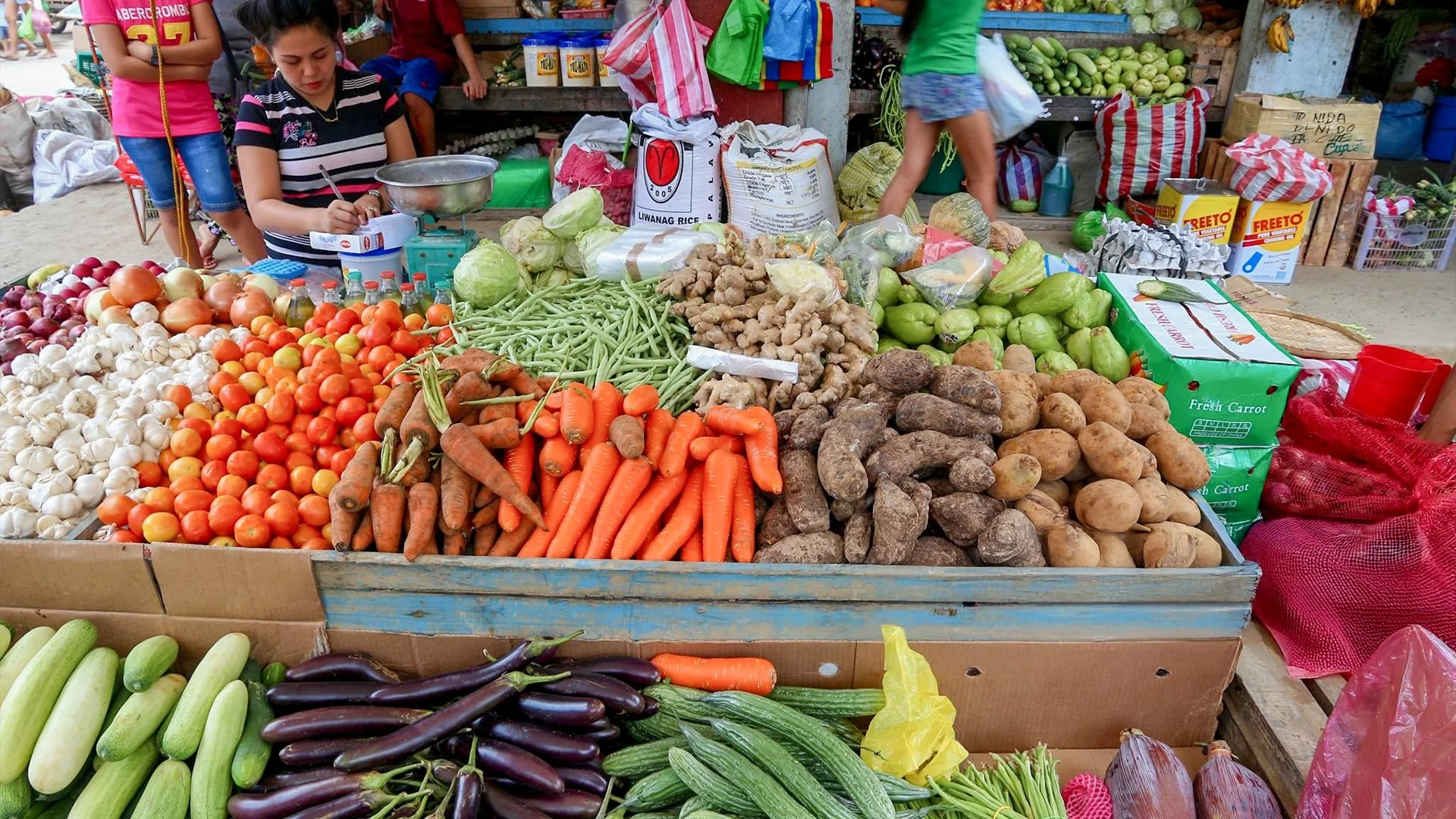
The Food Buffer: Fortunately, food inflation actually slowed to 0.7% (down from 1.2% in December). Stabilizing vegetable prices helped offset the rising cost of utilities, preventing the headline figure from breaching the 2.2% ceiling of the BSP's forecast.
2. The Currency Factor: Peso at ₱59.50
A major underlying driver of this "Imported Inflation" is the recent weakness of the Philippine Peso. On January 20, the USD/PHP hit a record low of ₱59.50.
The Valuation Trap: A weaker Peso makes imported fuel and raw materials more expensive.
BSP Response: Governor Eli Remolona has acknowledged that the Peso's performance is a "risk channel" for inflation, though the central bank maintains they do not target a specific exchange rate level.
3. Regional Heat: Central Visayas Peaks
Inflation is not hitting all regions equally. While the National Capital Region (NCR) actually saw a slowdown to 1.9%, regions outside the capital accelerated to an average of 2.0%.
The Outlier: Central Visayas recorded a massive 5.6% inflation rate, likely due to localized logistics issues and tourism-related service hikes in Cebu.
4. Forex and Rate Outlook: The February 19 "Dilemma."
For Forex traders, the January data sets up a high-stakes scenario for the Monetary Board meeting on February 19, 2026.
The Case for a Cut: GDP growth for Q4 2025 was a "disappointing" 3%, bringing full-year growth to just 4.4%. Usually, weak growth forces the BSP to cut interest rates (currently at 4.5%) to stimulate the economy.
The Case for a Pause: With inflation now hitting the 2% target floor and the Peso teetering near ₱60.00, an "aggressive" rate cut could devalue the Peso further and send inflation spiraling toward the 4% upper limit.
Market Sentiment: Analysts at UnionBank and Capital Economics still expect a modest 25-basis-point cut this month, but they warn that the "easing cycle is nearing its end."


The GME Academy Analysis: "Growth vs. Inflation"
At Global Markets Eruditio, we are watching the USD/PHP closely. If the BSP cuts rates on February 19, expect a temporary "spike" in the USD/PHP as investors seek higher yields elsewhere. However, if the BSP holds steady to combat this 11-month inflation high, the Peso may find some much-needed support.
Are You Trading the Interest Rate Decision? The "Inflation-Growth Gap" is where the biggest profits are made in Forex. Understanding how the BSP balances a 3% GDP with 2% Inflation is the key to mastering the Peso pairs this quarter.
Join our FREE Forex Workshop. Learn how to trade "Central Bank Pivots." We’ll show you how to read the PSA inflation reports in real-time and how to set your entries for the February 19 BSP meeting.
