

The Human Hack: Social Engineering Leads Philippine Fraud Losses in 2025
In a year where digital defenses were fortified with AI and real-time monitoring, cybercriminals in the Philippines found a simpler way in: the human mind. According to the Bangko Sentral ng Pilipinas (BSP), social engineering—schemes that manipulate individuals into divulging sensitive data—emerged as the primary driver of financial fraud in 2025.
The shift marks a definitive move away from traditional "technical" hacking toward psychological manipulation. For Forex and Crypto traders who move large sums digitally, this "Human Element" is now the greatest threat to capital security.
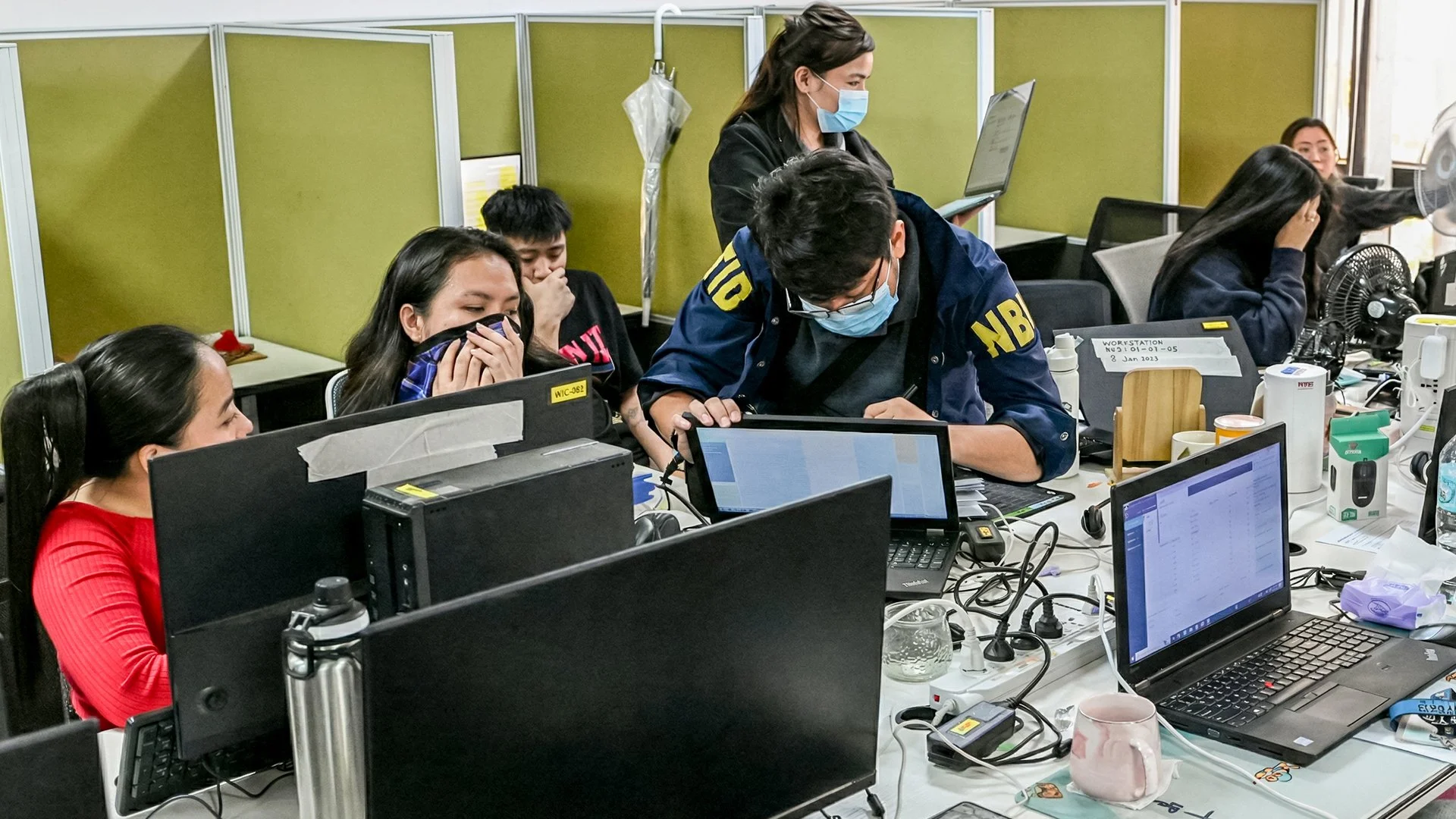
1. The Fraud Hierarchy: By the Numbers
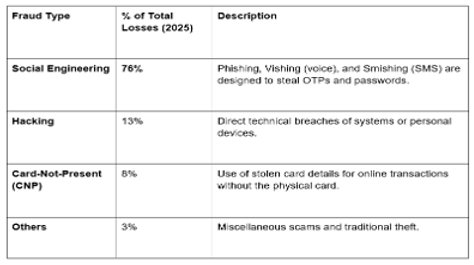
Data released by BSP Deputy Governor Lyn Javier reveals a stark breakdown of how funds were siphoned from the Philippine financial system last year
2. Why Scammers Are Targeting "You" Instead of the "Bank."
As banks implement more robust firewalls, criminals are pivoting to the weakest link in the security chain: the user.
The Interconnectedness Trap: As the banking system connects more deeply with e-wallets and third-party apps, one compromised account can lead to a "domino effect" across multiple platforms.
The Speed Factor: With real-time payments, the "recovery window" for stolen funds has narrowed to minutes. Once a victim is tricked into clicking a link, the money is often laundered through multiple "money mule" accounts before the bank can even flag the transaction.
3. The Legislative Shield: AFASA (Republic Act No. 12010)
To combat this, the government enacted the Anti-Financial Account Scamming Act (AFASA). This law isn't just a piece of paper; it gives the BSP teeth:
Investigative Power: The BSP can now bypass traditional bank secrecy laws to probe accounts involved in suspected scams.
Criminalizing "Mules": It is now a crime to act as a "money mule" (allowing others to use your account for illicit transfers).
Mandatory FMS: Banks must now implement Automated Fraud Management Systems (FMS) capable of blocking transactions with "unusual velocity" or behavioral anomalies.
4. What’s Next: Phasing out OTPs by June 2026
The BSP is not stopping at legislation. By June 2026, all BSP-supervised institutions must phase out SMS and email OTPs for high-risk transactions.
The Reason: Phishing and "SIM-swapping" have made SMS OTPs too vulnerable.
The Replacement: Banks are moving toward Biometric Authentication (face/fingerprint), Behavioral Biometrics (tracking how you type or hold your phone), and Passwordless Logins.


The GME Academy Analysis: "Your Mind is Your Best Firewall"
At Global Markets Eruditio, we emphasize that no amount of technology can save a trader who gives away their keys. In the 2026 market environment, "Cyber Hygiene" is just as important as technical analysis.
How to Protect Your Trading Capital:
Trust No One: Banks will never call you to ask for an OTP or to "verify" your password.
Monitor Velocity: Set low daily transfer limits on your e-wallets.
Use Hardware Keys: For high-value crypto or forex accounts, move away from SMS and toward hardware tokens (like Yubikeys).
Join our FREE Cybersecurity for Traders Workshop
Learn how to spot "Vishing" and "Deepfake" scams before they hit your account. We’ll show you how to set up a "Multi-Layered Defense" for your trading funds and how to navigate the new AFASA regulations.
