

₱17.7 Trillion: The Weight of the Philippine Debt in 2026
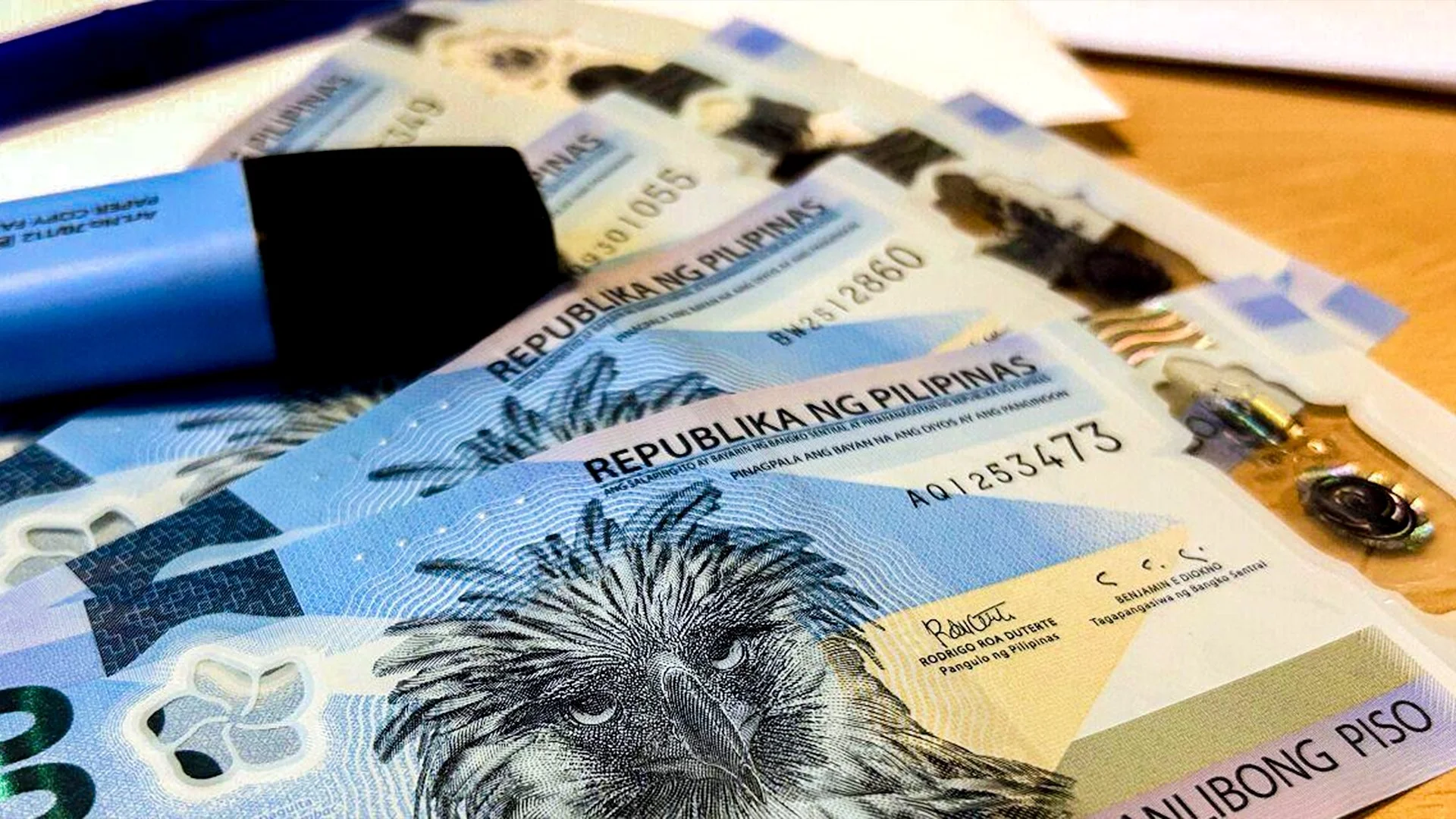
The Philippine government closed the book on 2025 with a sobering new milestone. According to the latest data from the Bureau of the Treasury (BTr) released on February 3, 2026, the national debt surged to an all-time high of ₱17.71 trillion. This represents a 10.32% increase from the ₱16.05 trillion recorded just a year earlier, and notably, it sits above the government’s own borrowing target of ₱17.36 trillion.
At the GME Academy, we analyze debt not just as a number, but as a "gravity" on the currency. While the government maintains that the debt is "sustainable," the widening gap between borrowing and economic growth is becoming a central theme for USD/PHP traders this year.
1. Why the Surge? The USD/PHP Valuation Trap
The BTr pointed to two main culprits for the ₱1.66 trillion increase:
Strategic Borrowing: Continued funding for big-ticket development and infrastructure programs.
The Valuation Effect: Because a portion of our debt is in foreign currencies, when the Peso depreciates against the US Dollar, the "effective" value of that debt in Peso terms automatically rises. With the Peso ending 2025 at ₱58.79 (down from ₱57.85 in 2024), the currency’s weakness added billions to the tally without the government even signing a new loan.
2. The Red Flag: Debt-to-GDP at 63.2%
The most critical metric for investors is the Debt-to-GDP ratio, which measures the country’s ability to pay back what it owes.
The Threshold: Historically, the international "safe" threshold for emerging markets is 60%.
The Reality: The Philippines hit 63.2% at the end of 2025.
The Growth Lag: This ratio spiked largely because economic growth disappointed. Full-year GDP growth was only 4.4%—well below the 6-7% target—following a massive slowdown in the 4th quarter (only 3% growth) linked to infrastructure spending stalls and corruption investigations.
3. The Silver Lining: A Domestically Anchored Portfolio
Despite the record headline figure, the BTr and local economists argue the "risk mix" remains manageable.
Home-Grown Debt: 68.4% of the debt is sourced domestically (₱12.12 trillion). This is a "buffer" because the government owes this money to local banks and Filipinos in Pesos, insulating the portfolio from global currency shocks.
Long-Dated & Fixed: Most of the debt is in long-term, fixed-rate bonds. This means the government isn't at the mercy of sudden "overnight" interest rate hikes by the Fed or the BSP.
4. Forex Impact: Why Traders are Nervous
For those in Forex Trading for Beginners, high debt levels combined with slow growth create a "Double Whammy" for the Peso:
Tight Fiscal Space: With more revenue going toward interest payments, the government has less money to jumpstart the economy, leading to lower foreign investment.
Credit Rating Scrutiny: Agencies like Fitch and Moody's watch the 60% threshold closely. Any threat of a "downgrade" would lead to a mass exit of capital, pushing the USD/PHP toward the ₱60.00 mark.
Monetary Pressure: Slow growth (4.4%) increases pressure on the BSP to cut rates on February 19 to stimulate the economy, even if the high debt makes the Peso vulnerable.


The GME Academy Analysis: "Growth is the Only Cure"
At Global Markets Eruditio, we believe the "Headline Debt" isn't the problem—the "Growth Gap" is. If the Philippines cannot return to 6% GDP growth in 2026, the 63.2% ratio will continue to climb, making the Peso one of the more volatile currencies in ASEAN this quarter.
Are You Trading the Fiscal Risk? The debt report is a "Slow-Burn" indicator. It doesn't cause a crash today, but it determines the "ceiling" for the Peso's recovery.
Join our FREE Forex Workshop. Learn how to read the Bureau of the Treasury reports like a pro. We’ll show you how to spot the "tipping point" where debt starts to devalue a currency and how to hedge your savings against a potential Peso slide.
