

The Silent Anchor: How the BPO Industry Controls the USD/PHP Exchange Rate
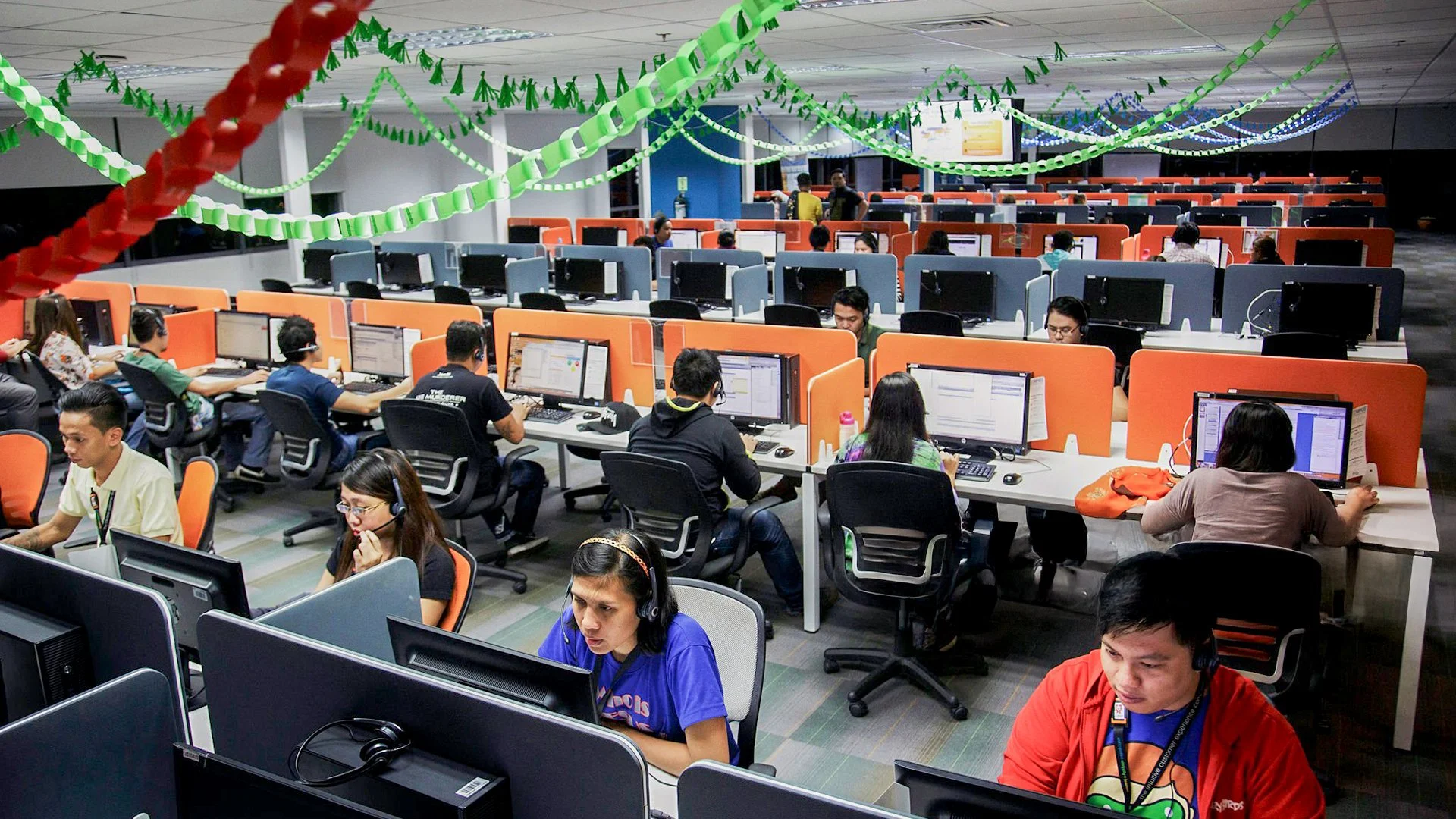
While international headlines often focus on the Bangko Sentral ng Pilipinas (BSP) or government policy, the true stabilizing force behind the Philippine Peso isn't always found in a boardroom. It’s found in the headsets and server rooms of the Business Process Outsourcing (BPO) sector.
As of early 2026, the IT-BPM (Information Technology and Business Process Management) industry has hit a historic milestone, breaching $40 billion in revenues in 2025 and projecting a rise to $42 billion by the end of 2026. For a Forex trader, these aren't just corporate earnings—they are a massive, consistent "Dollar Inflow" that acts as a vital shield for the Peso.
 https://images.squarespace-cdn.com/content/619b666b5842697e2af69258/a9d57b27-4fad-4532-874a-89133d6a85bc/P477.02.jpg?content-type=image%2Fjpeg
1. The BPO "Dollar Engine" vs. the Trade Deficit
The Philippines consistently runs a Trade Deficit (buying more goods than it sells). Normally, this would cause a currency to collapse. However, the BPO sector acts as an "Invisible Export."
Service over Goods: While the country spends billions importing fuel and rice, the BPO sector brings in billions by "exporting" Filipino talent and services.
The Balancing Act: These dollar inflows provide the foreign exchange liquidity needed to pay for imports. Without the $42 billion projected for 2026, the USD/PHP would likely be trading well above the 60.00 level.
2. 2026: The Shift to "Intelligent Outsourcing".
A major concern for Forex Trading for Beginners is the threat of Artificial Intelligence (AI). If AI replaces call center agents, will the dollar inflows stop?
The 2026 data suggests the opposite. The industry is undergoing a "re-skilling" phase, moving from simple voice services to Knowledge Process Outsourcing (KPO) and Global Capability Centers (GCCs).
Higher Value, Higher Dollars: GCCs—where multinational firms set up their own in-house tech and finance hubs in Manila—are growing faster than traditional BPOs.
The Result: Even if the number of "entry-level" jobs slows, the value of the work is increasing, ensuring that the total dollar revenue continues to climb toward the industry's $59 billion goal for 2028.
3. Why Forex Traders Watch the "BPO Payroll".
In the Philippines, the 15th and 30th of the month (paydays) are legendary for their impact on the local economy. For a USD/PHP trader, these dates are "Macro Events":
Dollar Liquidation: BPO companies receive their funding in US Dollars but must pay their 1.97 million workers in Philippine Pesos.
The Supply Shift: Every two weeks, large-scale conversions of USD to PHP occur. This creates a temporary "floor" for the Peso, often leading to a slight appreciation or stabilization of the peso against the Greenback during payroll weeks.
4. The "Current Account" Buffer
In Forex terms, the BPO sector is a major component of the Current Account.
External Resilience: In late January 2026, the BSP noted that while global headwinds are strong, the "external sector" remains resilient thanks to the BPO sector’s 5% growth rate.
The Volatility Hedge: When the US Federal Reserve raises rates (strengthening the USD), the BPO sector becomes even more profitable in Peso terms, allowing companies to expand further and bring in more dollars—partially offsetting the pain of a weaker local currency.


The GME Academy Analysis: "The Peso’s Secret Weapon"
At Global Markets Eruditio, we teach our students that the BPO sector is the "Fundamental Floor" for the Peso. While the USD/PHP remains under pressure due to global energy prices in early 2026, the consistent growth of the IT-BPM sector prevents a "Free Fall."
Are You Trading the "Payroll Cycle"? Understanding the timing of BPO dollar conversions can give you a significant edge in short-term USD/PHP trades. If you aren't watching the $42 billion inflow, you're only seeing half the chart.
Join our FREE Forex Workshop. Learn how to correlate "Service Exports" with currency stability. We’ll show you how to track BPO revenue trends and use them to predict long-term support and resistance levels for the Philippine Peso
