

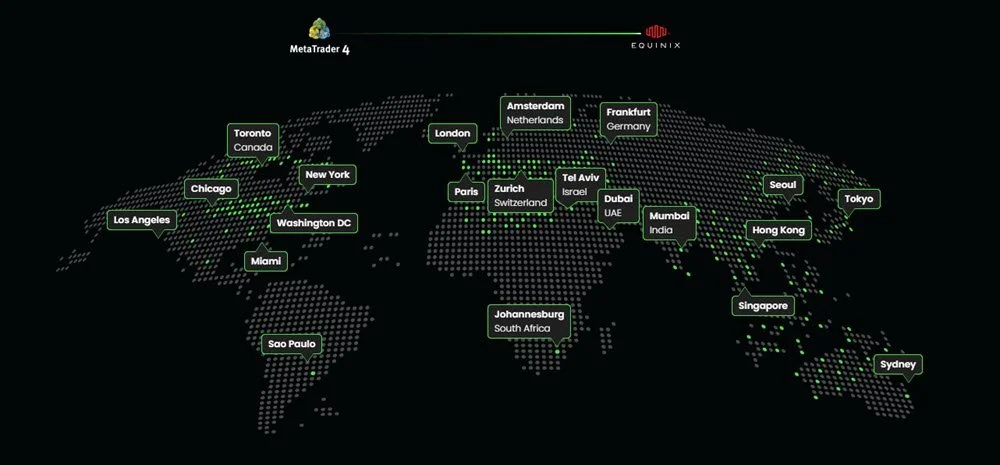
The Race to Zero: Latency, Speed, and Co-Location in FX Trading
In the fast-moving markets of 2026, the difference between a winning trade and a "missed fill" is no longer measured in seconds—it is measured in nanoseconds.

The Price of Fear: Understanding the "War Premium" in Safe Havens
In the financial markets of 2026, "Safe Haven" is no longer just a label for boring, stable assets. It has become the most active theater of trade.
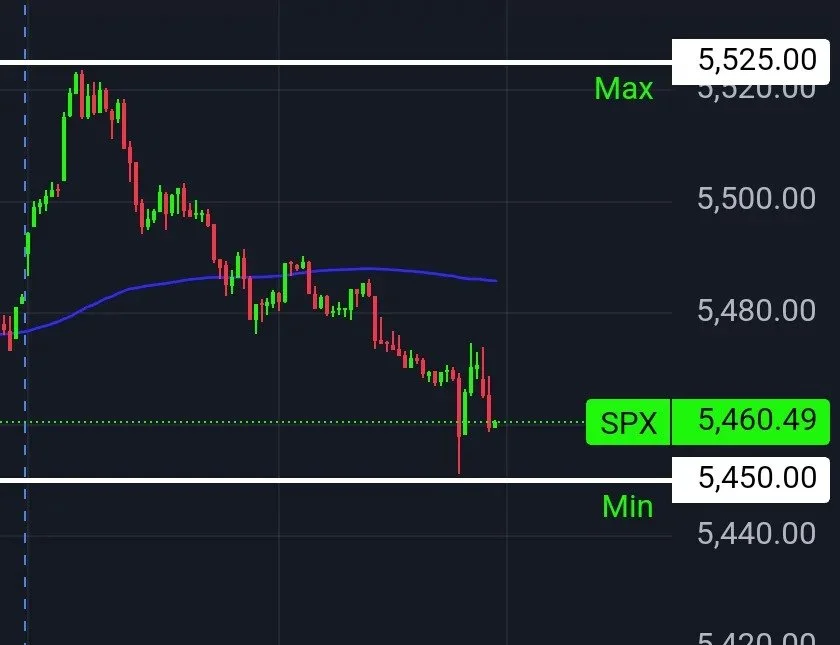
The Quarterly Pivot: Understanding End-of-Quarter Rebalancing
In the financial markets, the final week of March, June, September, and December is rarely a quiet affair. This period is dominated by End-of-Quarter (EOQ) Rebalancing—a massive, systemic repositioning where institutional giants like pension funds, mutual funds, and sovereign wealth funds adjust their portfolios to maintain their target risk profiles
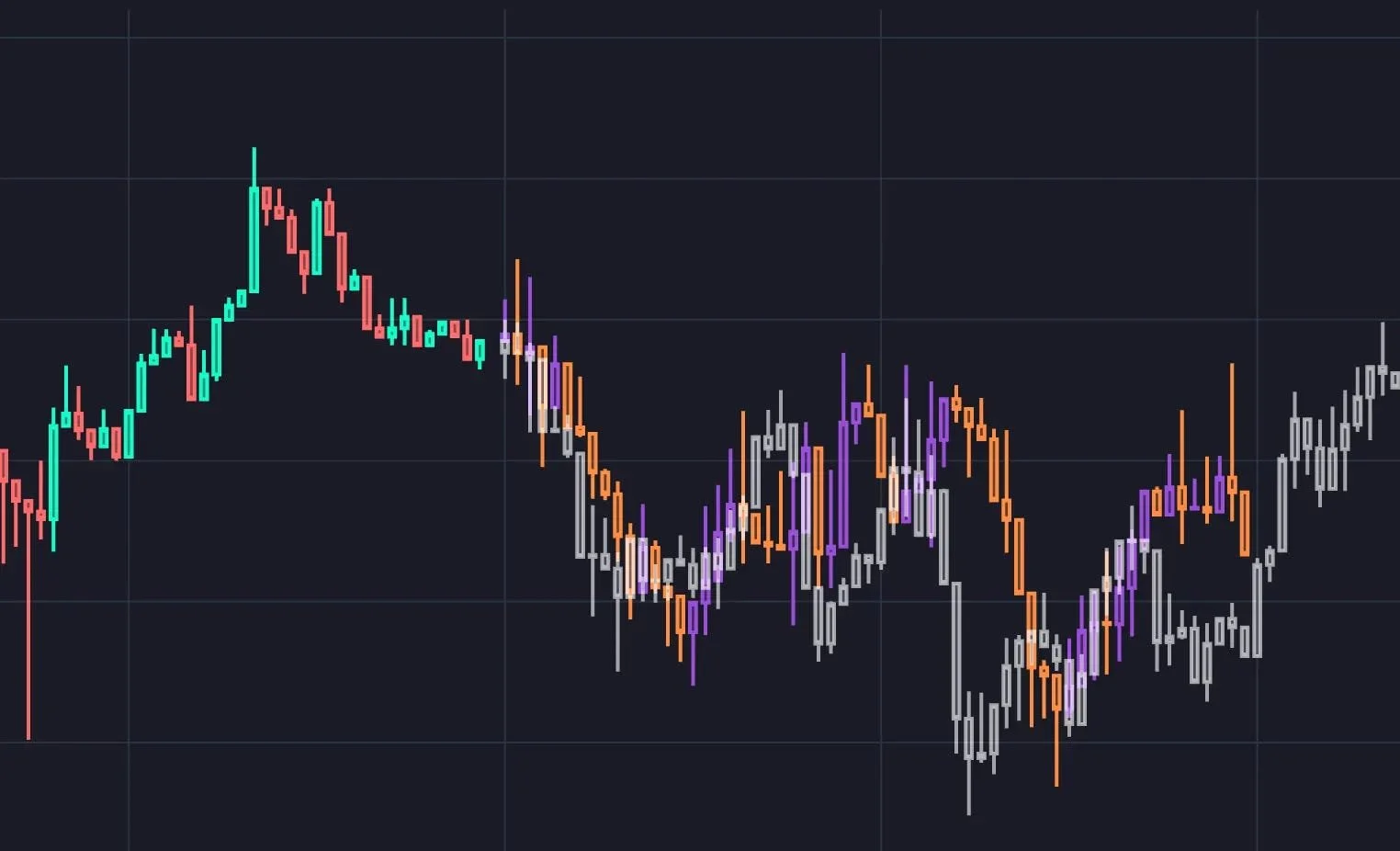
The Prediction Engine: Machine Learning Models for Price Forecasting
In 2026, the financial markets are no longer just a battle of human intuition; they are a battle of high-dimensional mathematics. Machine Learning (ML) has moved from a "competitive advantage" to a "standard requirement" for price prediction in Forex, stocks, and commodities.
The OPEC Chessboard: Production Decisions and Oil-Currency Impact
In the complex financial ecosystem of February 10, 2026, few organizations hold as much power over your trading screen as OPEC+. While we often think of oil as a physical commodity, for a Forex trader, it is a "liquidity pump" that can strengthen or weaken currencies in a matter of seconds.
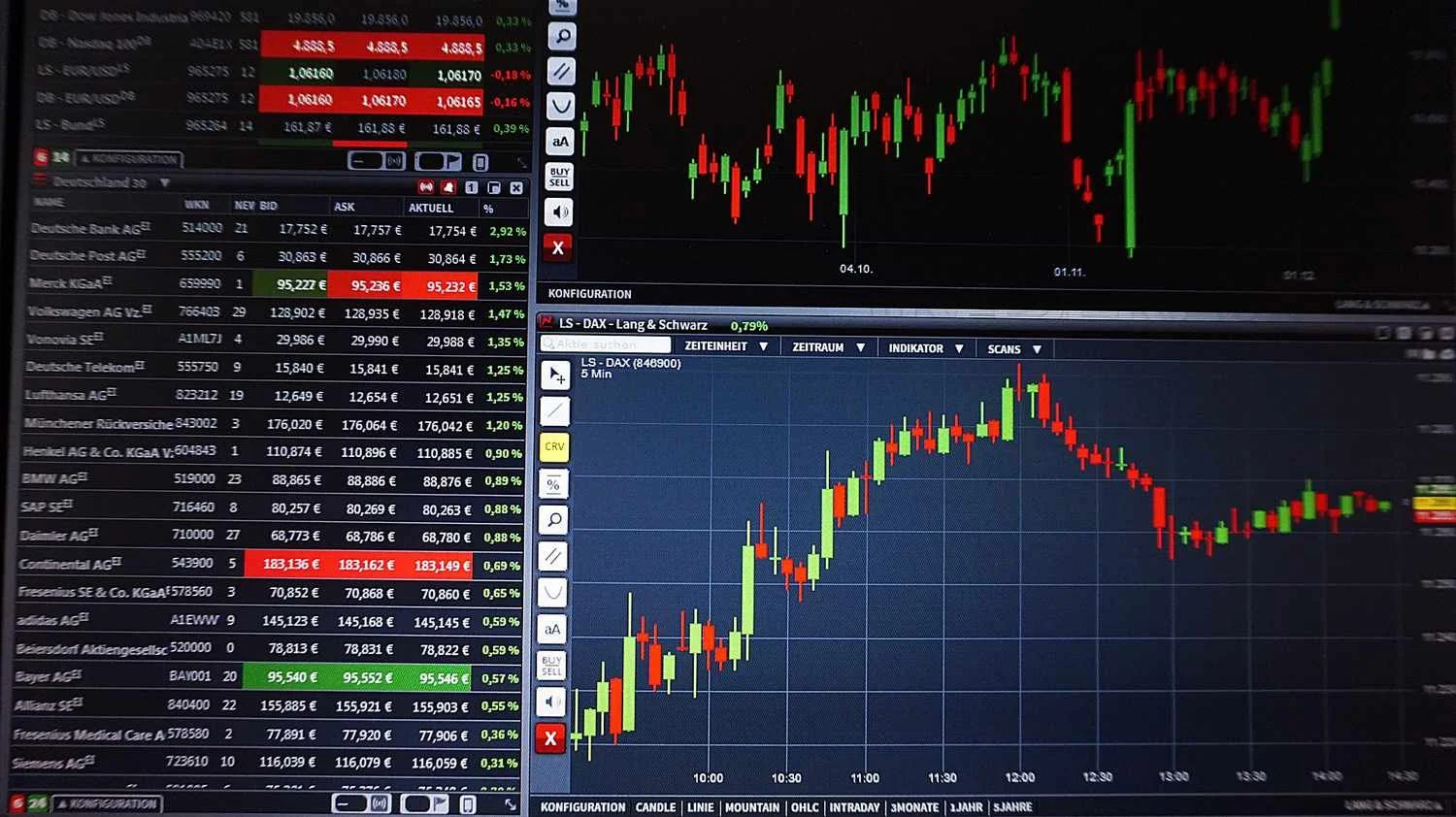
The Lab Method: How to Study Charts Efficiently
In the modern trading landscape of 2026, staring at charts for ten hours a day isn't "hard work"—it’s inefficient. Information overload is the silent killer of consistency. At the GME Academy, we teach that chart study is a clinical process, not a leisure activity.
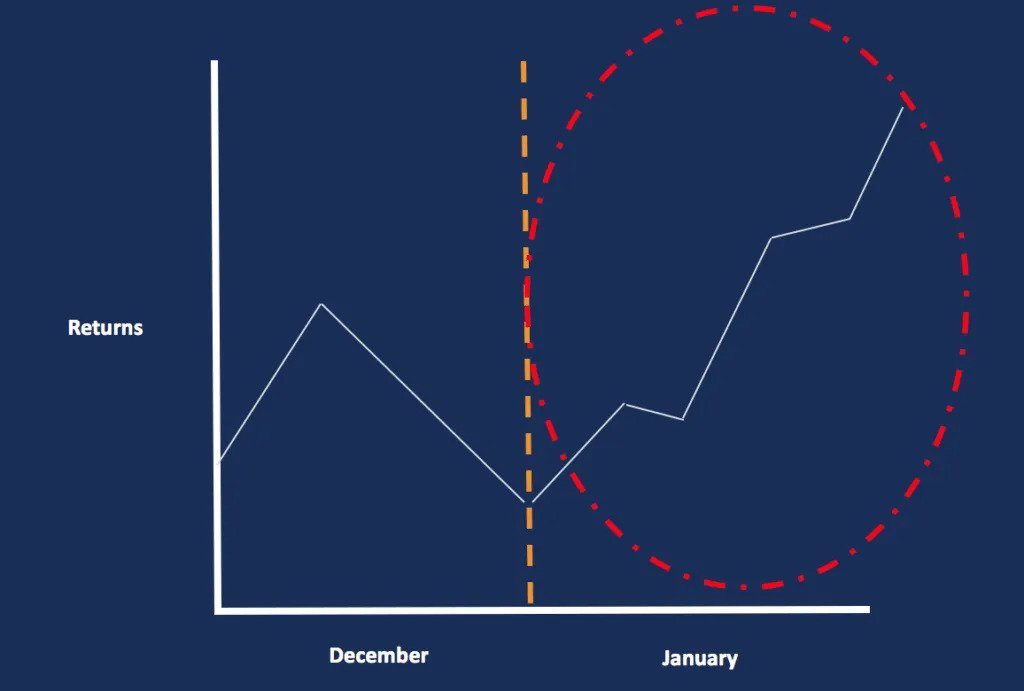
The January Effect in Forex: Beyond Stock Market Folklore
In the world of equities, the "January Effect" is a well-known legend: the theory that stock prices (especially small-caps) surge in the first month of the year due to tax-loss harvesting and New Year optimism.
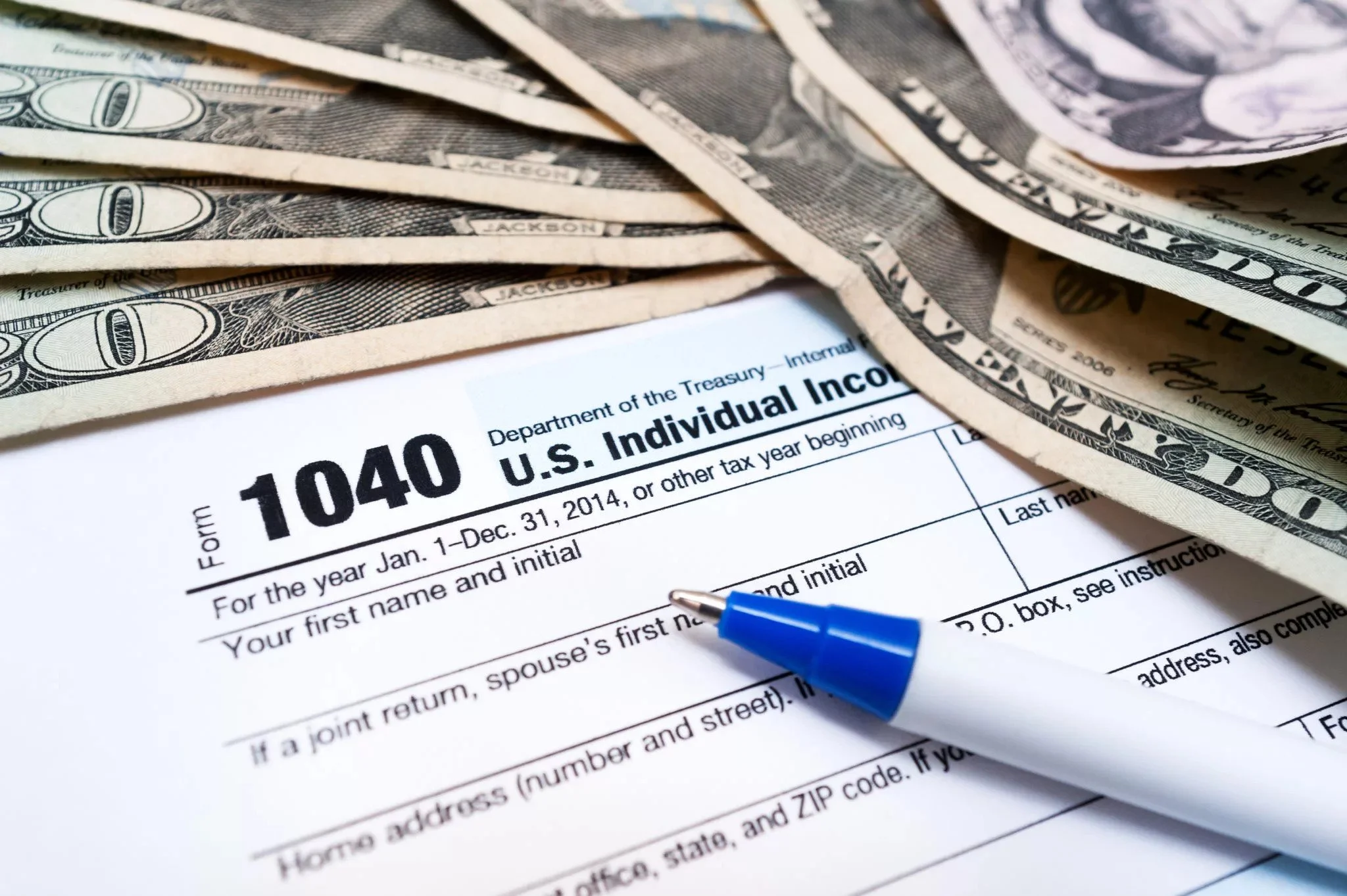
The Internal Revenue Rally: US Tax Season and Dollar Demand
As we move through February 10, 2026, the US financial landscape is bracing for one of its most predictable, yet potent, seasonal shifts: the Individual Income Tax Filing Season.
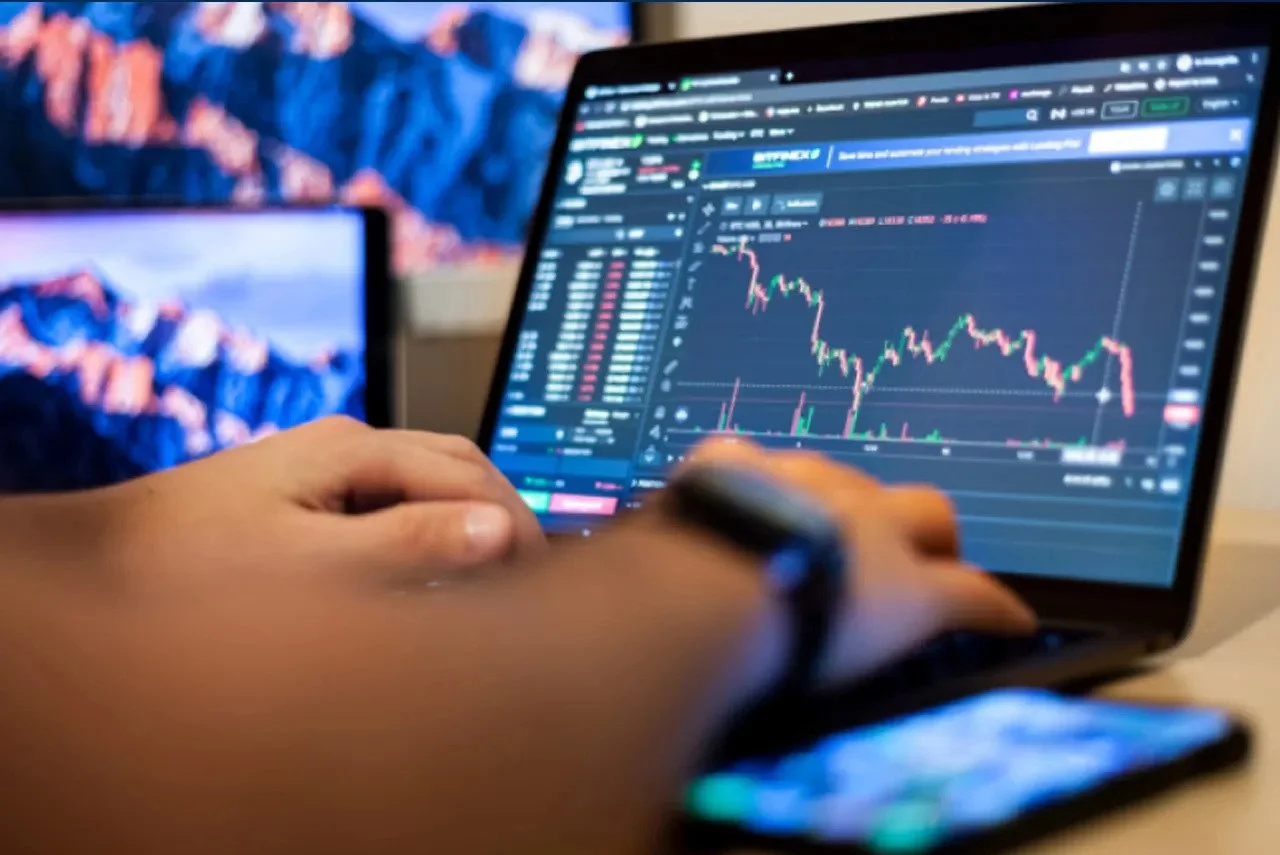
The Hardest Cut: When to Stop Trading a Strategy
In the trading world of 2026, the biggest threat to your capital isn't necessarily a "bad" trade—it's the Zombie Strategy. This is a system that once worked beautifully but has since lost its "edge" due to shifts in market regimes, high-frequency algorithms, or central bank pivots.
The Great Diversification: Evaluating the EUR and CNY as Reserve Alternatives
In February 2026, the global financial architecture is undergoing a subtle but undeniable shift. While the US Dollar (USD) remains the dominant reserve currency (at roughly 57–58% of global reserves),
The Ghost Hour: Holiday-Thin Markets & Manipulation
In the Forex calendar, the period between December 24th and January 5th is often called the "Ghost Hour." While the 24-hour market technically never sleeps, its major players—the institutional banks, hedge funds, and market makers—certainly do.
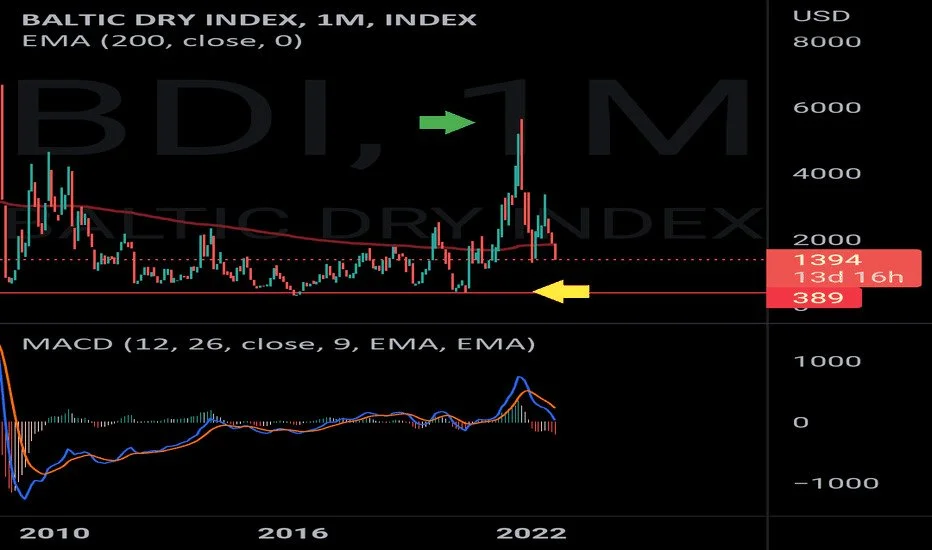
The Global Economic Barometer: Decoding the Baltic Dry Index (BDI)
In the fast-paced markets of February 2026, few indicators are as vital to understanding global trade health as the Baltic Dry Index (BDI). Often called the "canary in the coal mine" for the global economy, the BDI tracks the cost of moving raw materials—like iron ore, coal, and grain—across the world's oceans.
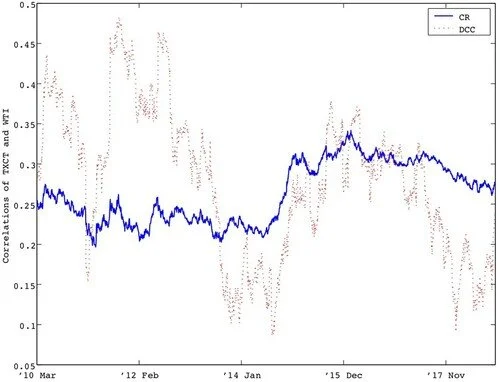
The Energetic Pulse: Energy Prices and Currency Correlations
In the global markets of 2026, energy prices are no longer just "input costs"—they are the primary drivers of currency strength and central bank policy. As oil and natural gas markets face a structural oversupply this year, the traditional correlations that traders relied on for decades are shifting.
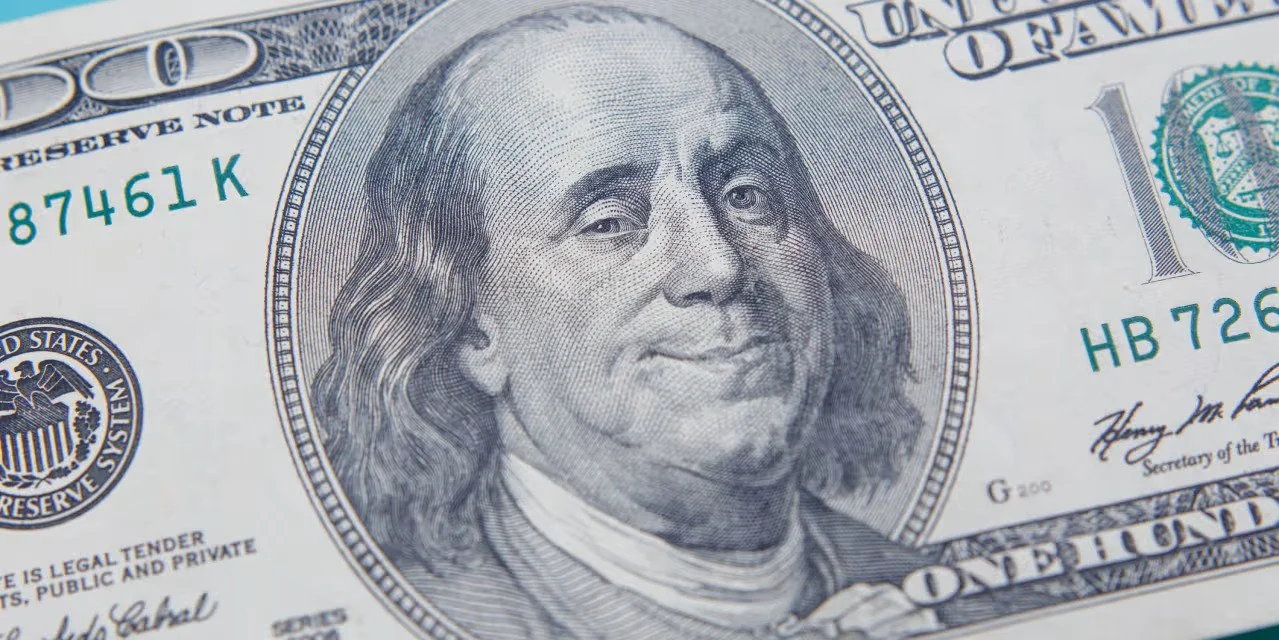
The Dollar Smile Theory: Why the Greenback Wins in Both Good Times and Bad
In the world of macroeconomics, most currencies follow a simple rule: they strengthen when their home economy is booming and weaken when it’s struggling. The US Dollar, however, is a defiant outlier.
The Compound Edge: A Framework for Continuous Improvement
In the trading environment of 2026, "standing still" is synonymous with moving backward. With the rapid integration of AI-driven analytics and the compression of market cycles, a trader’s most valuable asset isn’t their strategy—it’s their Framework for Continuous Improvement (CI).
The Circulatory System of Wealth: Flow of Funds in Capital, Trade, and Banking
In the global economy of 2026, money never truly sits still. It behaves like a circulatory system, moving through distinct yet interconnected "vessels" of capital, trade, and banking.
The Autopsy: Analyzing Losing Trades Without Emotion
In the trading world of 2026, the difference between a professional and a gambler isn't their win rate—it’s their Autopsy Process. Losing is a statistical certainty, yet most retail traders treat a loss like a personal insult, leading to the "Revenge Trade" spiral.

The Architect’s Blueprint: How to Build Your Own Trading System
In the fast-paced markets of 2026, a "gut feeling" is no longer a viable strategy. With AI-driven algorithms and high-frequency traders dominating the tape, the retail trader’s only edge is a systematic approach.
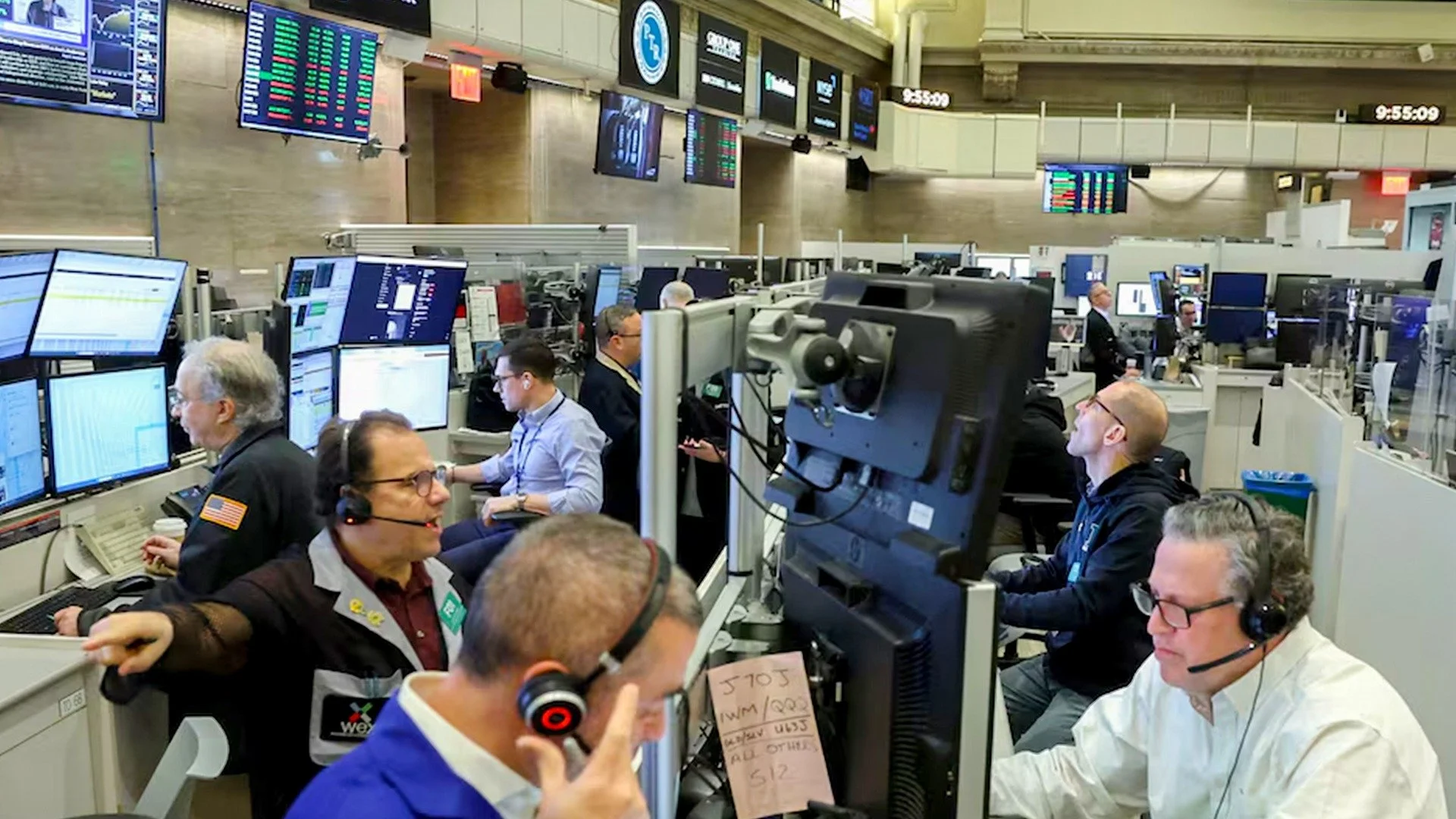
The 4 PM Rush: Navigating the Month-End Fix (WM/Reuters)
If the "January Effect" is a seasonal breeze, the Month-End Fix is a recurring hurricane. In the Forex world, no single hour is more scrutinized than the 4 PM London Fix (officially the WM/Reuters Closing Spot Rate) on the last trading day of the month.
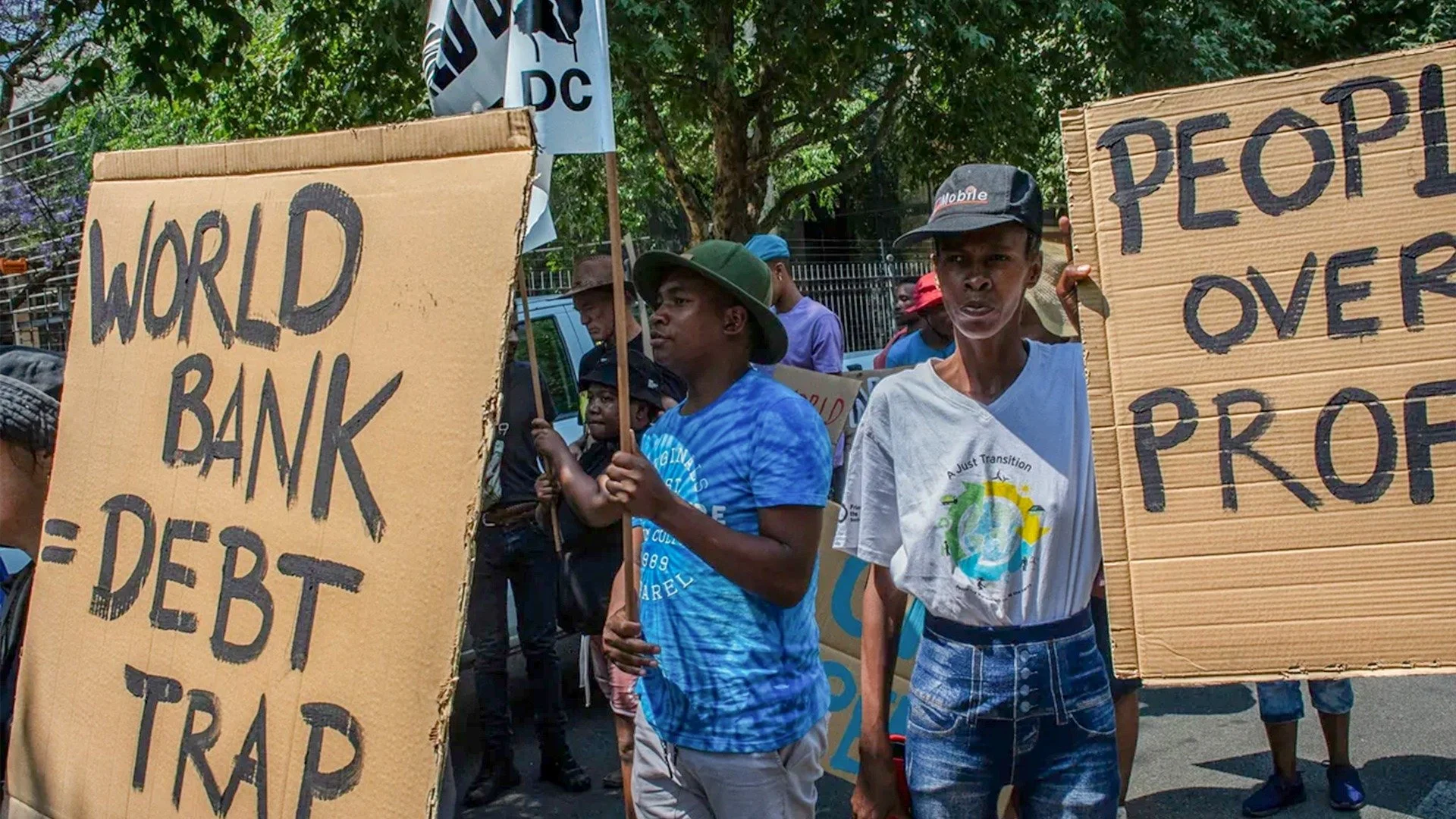
The $100 Trillion Shadow: Global Debt and Currency Crisis Risks
As we navigate February 2026, the global financial landscape is defined by a staggering paradox: while GDP growth remains resilient at 3.3%, global public debt is hurtling toward the $100 trillion mark.