

Riding the Storm: How to Handle Market Volatility Like a Smart Forex Trader
Understanding Market Volatility — The Heartbeat of Forex
If there’s one thing every Forex trader must learn early on, it’s this: the market never stays still. Prices rise and fall every second — sometimes calmly, sometimes chaotically. This constant movement is called market volatility, and it’s both the opportunity and the risk that define Forex trading.
At GME Academy (Global Markets Eruditio), we teach that volatility isn’t your enemy — it’s a signal. When managed wisely, it opens doors to profit. When ignored, it can quickly drain your account. Understanding how to read and handle volatility separates Forex Trading for Beginners from confident, strategic traders.
What Exactly Is Market Volatility?
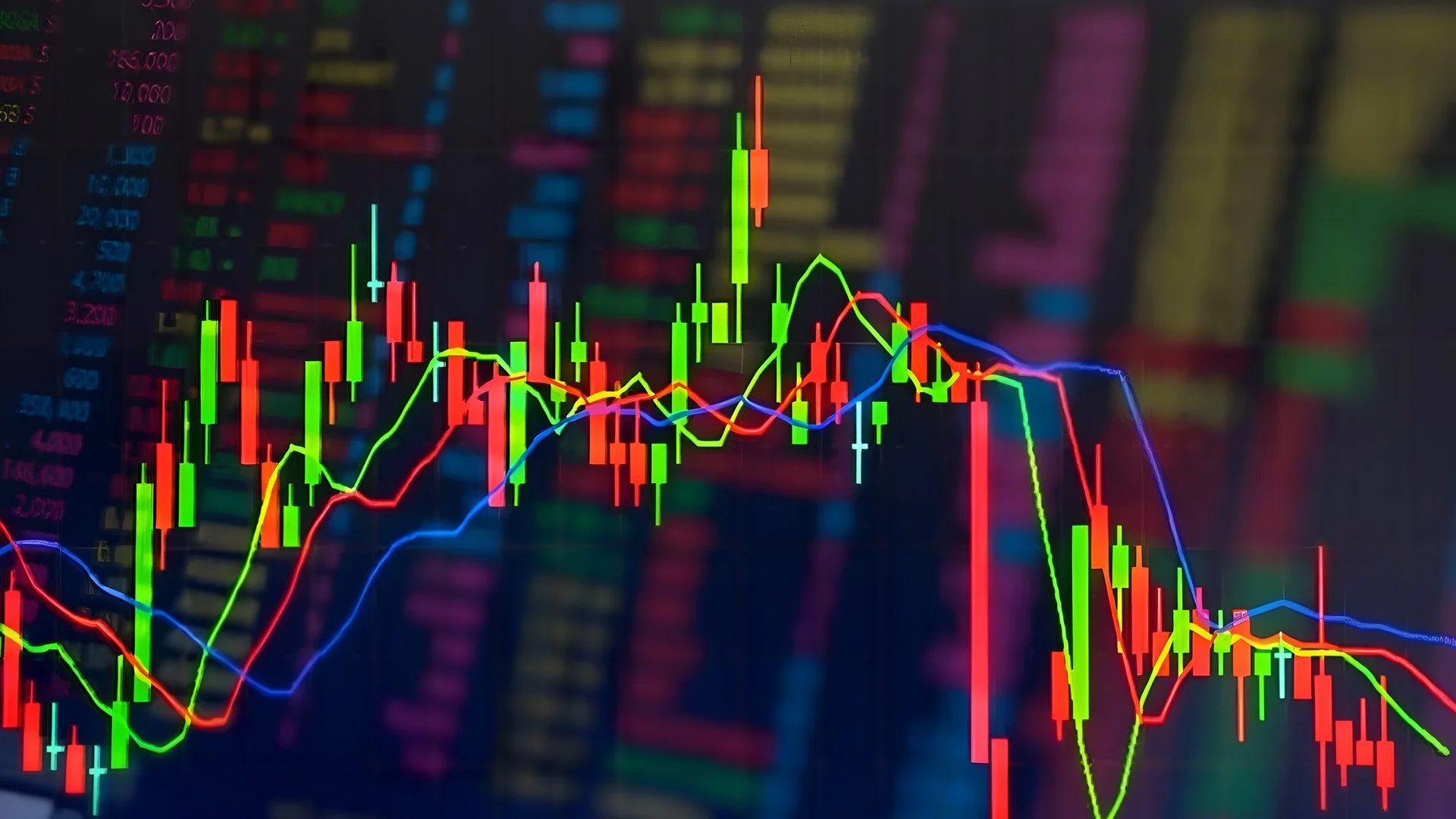
Market volatility measures how quickly and dramatically a currency pair’s price moves within a given period.
For example:
A stable pair like EUR/USD tends to move gradually.
A sensitive pair like GBP/JPY or AUD/USD can jump several pips in seconds after economic news.
Volatility is driven by economic data, interest rate decisions, geopolitical tensions, or even natural disasters. It’s the market’s emotional response to uncertainty — and your ability to interpret that emotion defines your success as a trader.
Why Volatility Matters in Forex Trading
High volatility means big price swings, which can bring high rewards — but also high risks.
Low volatility, on the other hand, means smaller price movements — safer but slower returns.
Understanding the difference helps you adapt your trading style:
Day traders may prefer high-volatility conditions like when US Nonfarm Payrolls (NFP) or CPI are released.
Swing traders might wait for the market to calm down before entering trades.
Long-term traders view volatility as short-term “noise” within a broader trend.
In short, volatility affects everything — from your entry timing and position sizing to your risk management strategy.

Common Triggers of Market Volatility
Knowing what sparks volatility helps you anticipate — not fear — sudden moves.
1. Economic Data Releases
Reports like US GDP, UK CPI, or Eurozone PMI often shake markets.
Example: A stronger-than-expected US inflation report can cause USD pairs to spike.
2. Central Bank Decisions
When institutions like the Federal Reserve (Fed) or Bank of England (BoE) adjust rates or hint at policy changes, currency pairs react immediately.
3. Geopolitical Events
Elections, wars, or trade tensions often trigger massive volatility — particularly in safe-haven pairs like USD/JPY or CHF/USD.
4. Market Sentiment Shifts
Fear, optimism, or speculation — all these emotions affect price momentum, especially during uncertain economic times.
How to Handle Market Volatility Like a Pro
Instead of avoiding volatility, smart traders prepare for it. Here’s how:
1. Trade Smaller, Not Smarter
When volatility spikes, reduce your position size. This keeps losses manageable if the market turns unexpectedly.
2. Use Stop Loss and Take Profit Orders
Automate your protection. A stop loss limits your downside, while a take profit locks in gains before sudden reversals wipe them out.
3. Follow Economic Calendars
Keep track of high-impact news releases using an economic calendar — a tool every trader should master. If you see events like CPI, FOMC, or ECB announcements, be prepared for sudden movement in related pairs (like EUR/USD or GBP/USD).
4. Avoid Trading on Emotion
Volatile markets can make traders panic or become greedy. Stick to your plan — not your feelings. Emotional trading is the quickest path to losses.
5. Focus on Risk-to-Reward Ratio
Aim for trades that offer at least a 1:2 reward-to-risk ratio. This ensures that even if you lose half your trades, you can still end up profitable.
6. Stay Educated and Adaptive
Market conditions change constantly. Learn to adapt — whether that means adjusting your trading strategy, updating your analysis tools, or switching to less volatile pairs like EUR/CHF.

The Psychology Behind Volatility
Market volatility doesn’t just test your strategy — it tests your mindset. Successful traders know how to stay calm when prices fluctuate rapidly. They view each swing not as chaos but as an opportunity.
At Global Markets Eruditio, we teach our students to read volatility as market behavior, not random noise. Once you understand how traders react to fear and greed, you can anticipate movements instead of chasing them.
Turning Chaos Into Opportunity
Remember: volatility creates winners and losers — but it’s how you react that determines which side you’re on.
Handled correctly, volatile markets can help you:
Capture short-term profits.
Identify trend reversals earlier.
Strengthen your emotional discipline.
Handled poorly, volatility can magnify mistakes. That’s why preparation, risk management, and consistent education are key.
Take Control of the Waves
You can’t control market volatility — but you can control your response to it. Whether you trade USD/JPY, GBP/USD, or EUR/USD, the secret isn’t avoiding volatility — it’s learning how to ride it with skill and confidence.
Join GME Academy’s FREE Forex Workshop today and learn how to manage volatility, protect your trades, and grow your confidence in any market condition.
