

The January Effect in Forex: Beyond Stock Market Folklore
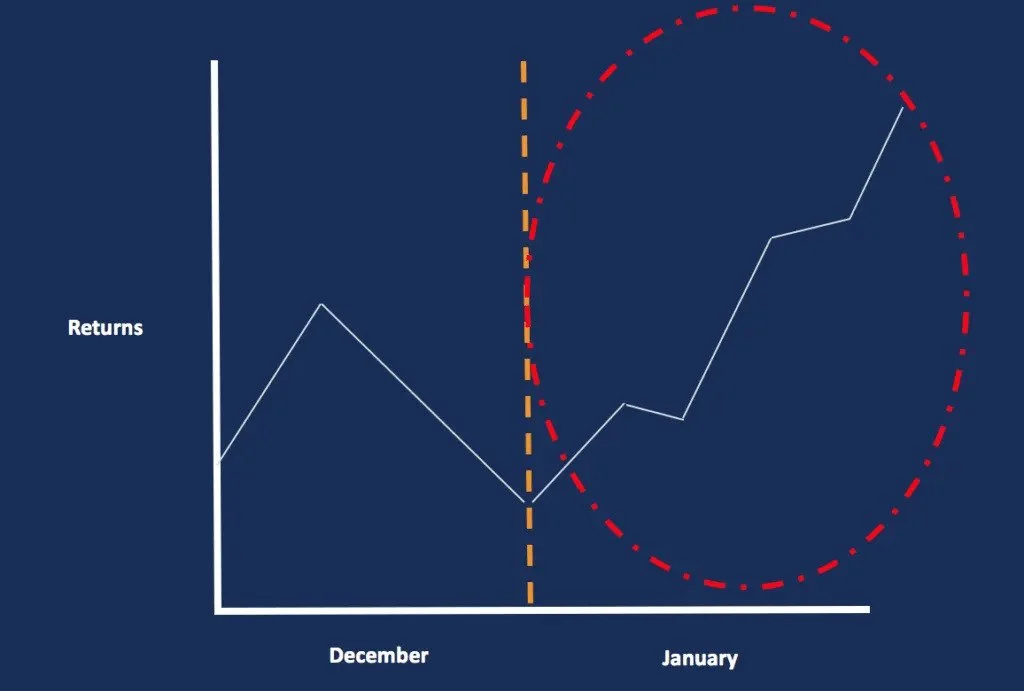
In the world of equities, the "January Effect" is a well-known legend: the theory that stock prices (especially small-caps) surge in the first month of the year due to tax-loss harvesting and New Year optimism. But in the Forex market of 2026, the January Effect isn't just about stocks—it’s about a massive, global "Great Repositioning."
While equity traders look for "cheap" stocks, Forex traders at the GME Academy look for the seismic shifts in capital as institutional giants reset their books for the new fiscal year.
1. The Mechanics: Institutional "Day One" Flows
Unlike the stock market's tax-driven bounce, the January Effect in Forex is driven by Institutional Rebalancing.
The Clean Slate: On January 1st, hedge fund managers and pension funds start with a "zeroed" P&L. This creates a psychological and operational urge to put "fresh dry powder" to work.
Repatriation Reversal: Many US corporations spend December bringing overseas profits back to the US (strengthening the USD). In January, this flow often reverses as they move capital back out to fund international operations, leading to early-year Dollar weakness.
The "January Barometer": There is a long-standing market belief that "as goes January, so goes the year." While not a rule, a strong breakout in a pair like EUR/USD in January often sets the dominant trend for the entire first half of the year.
2. The "Risk-On" Pivot: AUD and NZD
In January 2026, we observed a classic manifestation of the January Effect: a surge in Risk Appetite.
The "Fresh Start" Rally: Investors typically enter January with renewed optimism. This leads them to dump "safe" currencies (like the USD or JPY) and buy high-beta, growth-linked currencies.
The Aussie Surge: The Australian Dollar (AUD) is often a primary beneficiary. In early 2026, the AUD/USD saw a notable 3.2% rally in the first three weeks of January. This was fueled by the "January Effect" rotation into commodities and anticipated restocking of iron ore by Chinese industrial hubs post-New Year.
3. 2026 Case Study: The "January Flash"
The 2026 January Effect was particularly violent due to the "Two-Speed" US Economy.
The Setup: Markets entered the year expecting aggressive Fed rate cuts.
The Spike: On January 30, 2026, the nomination of Kevin Warsh as Fed Chair (viewed as more hawkish) caused a massive "anti-January" spike. The USD clawed back its monthly losses in a single day, proving that while seasonal trends are powerful, policy shifts will always override the calendar.

4. Why the Effect is Fading (The "Front-Running" Problem)
In modern markets, everyone knows about the January Effect.
Algorithmic Anticipation: High-frequency trading models now "front-run" the January move. Institutional rebalancing that used to happen on January 5th now often begins as early as December 20th.
The "December Effect" overlap: This creates a "smearing" of the trend, where the volatility is higher in late December, leaving January feeling more like a "consolidation" month than a breakout month.

The GME Academy Analysis: "Trading the New Year Reset"
At Global Markets Eruditio, we treat January not as a "guaranteed win," but as a volatility window.
Trader's Takeaway for 2026:
Don't Chase the First Week: The first week of January is often "noise" as retail traders execute New Year's resolutions. The real institutional trend usually reveals itself after the first Non-Farm Payroll (NFP) report of the year.
Watch the Carry Trade: If the "January Effect" is in full swing, look to go Long on high-yielding Emerging Market currencies (like the MXN or BRL) against the USD.
USD/PHP Context: For our local traders, January is often a month of "Peso correction" after the holiday spending spree. Use the January volatility to find better entry points for your long-term USD hedges.
Join our FREE Forex Workshop at Global Markets Eruditio!
Want to master "Seasonality Trading"? We’ll show you how to use Commitment of Traders (COT) data to see where the big banks are actually putting their money in January 2026.
