

The Oil-Peso Connection: Why Crude Spikes Crush the Currency
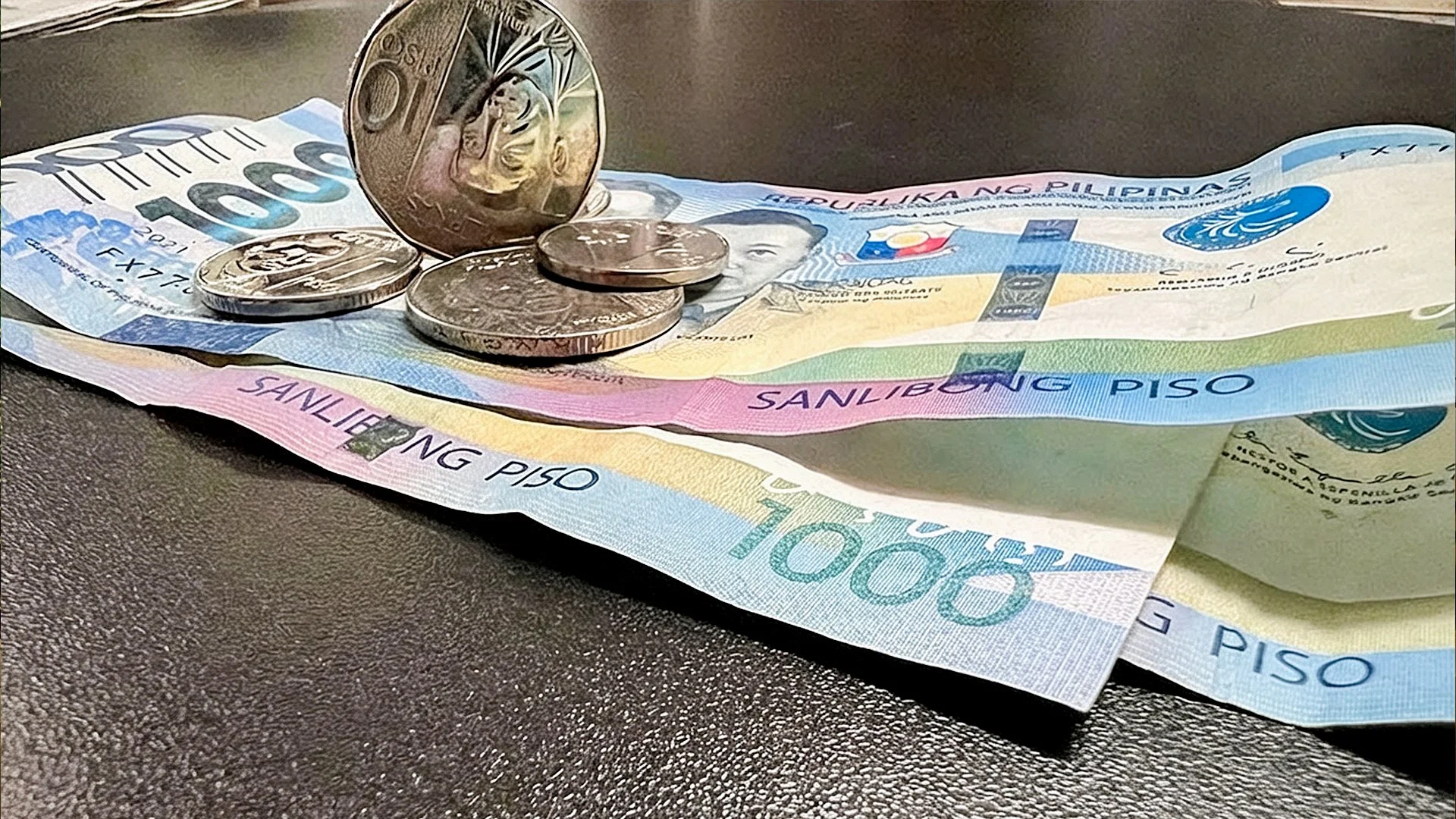
In the Philippines, "Oil" and "Peso" are on opposite ends of a financial seesaw. When global crude prices soar, the Philippine Peso almost inevitably begins to slide. As we’ve seen in early 2026—with the Peso hitting record lows near ₱59.44 amid Middle Eastern tensions—this relationship is the single most important factor for local inflation and market sentiment.
At the GME Academy, we teach that the Philippines is an "Oil-Sensitive" economy. Unlike oil-producing nations like Malaysia or Indonesia, the Philippines imports nearly 98% of its petroleum. This dependency creates a direct channel for global shocks to hit your pocketbook and the value of your currency.
 https://images.squarespace-cdn.com/content/619b666b5842697e2af69258/a9d57b27-4fad-4532-874a-89133d6a85bc/P477.02.jpg?content-type=image%2Fjpeg
1. The "Dollar Drain": The Trade Deficit Widens
The primary reason the Peso weakens is the simple supply and demand for the US Dollar.
The Mechanism: Oil is traded globally in US Dollars. When the price of a barrel of Dubai Crude jumps from $70 to $90, Philippine oil companies need to buy more Dollars to pay for the same amount of fuel.
The Impact: This massive surge in Dollar demand "drains" the local market. As banks and importers scramble for "Greenbacks" to settle fuel bills, the price of the Dollar goes up, and the value of the Peso goes down.
The "Twin Deficit" Fear: Persistent high oil prices lead to a wider Trade Deficit, which signals to global investors that more money is leaving the country than entering, further weakening the currency's outlook.
2. Imported Inflation: The Second-Round Hit
A weaker Peso doesn't just stay in the currency markets; it spills over into every aspect of life through Imported Inflation.
Transport & Logistics: High oil prices immediately raise the cost of diesel and gasoline. This forces transport groups to petition for higher jeepney and bus fares.
Electricity Prices: Much of the Philippines' peak power generation still relies on oil and gas. Rising crude prices lead to "Fuel Cost Adjustments" on your monthly Meralco bill.
The BSP's Dilemma: When inflation rises due to oil, the Bangko Sentral ng Pilipinas (BSP) is often forced to hike interest rates to defend the Peso and keep prices in check. As of early 2026, the BSP is carefully monitoring if Dubai crude averages above $80/barrel, which could push inflation past their 4.0% target.
3. The "Sentiment Trap": Geopolitics and Risk
Oil prices and the Peso are also linked by Investor Psychology.
Safe-Haven Buying: Oil spikes are usually caused by wars or geopolitical instability (such as the recent Iran-Israel tensions). In times of global fear, investors pull money out of "Emerging Markets" like the Philippines and put it into the "Safe-Haven" US Dollar.
The "Mining & Oil" Index: Locally, the stock market often reflects this stress. On February 2, 2026, the Mining and Oil sectoral index on the PSE plunged 13.6% as investors priced in the negative impact of regional conflict on the domestic economy.


The GME Academy Analysis: "Watch the Barrel, Trade the Peso"
At Global Markets Eruditio, we remind our traders that oil is a "Leading Indicator" for the Peso. If you see crude oil futures breaking through resistance levels in New York or London, expect the USD/PHP to follow suit within days.
Is Your Portfolio "Oil-Proof"? In 2026, the Peso is acting as a "shock absorber" for the economy. Understanding the oil-to-currency pipeline is essential for protecting your savings from imported inflation.
Join our FREE Forex & Commodities Workshop. Learn how to track Dubai Crude and the US Dollar Index (DXY) together. We’ll show you how to hedge your Peso-based assets when energy prices spike and how to spot the "turning point" when oil settles, and the Peso begins its recovery.
